
Complete Guide to Excavator Sprocket and Track Shoes: Selection, Maintenance, Replacement
- Understanding Excavator Sprocket and Track Shoes
- What are sprockets and track shoes?
- Why Proper Selection Matters
- Impact on performance and long-term costs
- Materials and Manufacturing: What to Look For
- Heat-treated steel and hardened teeth
- OEM vs Aftermarket Sprockets and Track Shoes
- Pros and cons for buyers with
- Signs of Wear and When to Replace
- Key inspection points for excavator sprocket and track shoes
- Maintenance Best Practices
- Daily and periodic routines to extend life
- Track Tension: The Single Most Influential Factor
- How correct tension reduces wear on sprockets and track shoes
- Choosing the Right Track Shoe Type
- Grouser patterns, width, and application-specific choices
- Installation and Replacement Tips
- Professional replacement vs in-house service
- Cost Considerations and Total Cost of Ownership
- Balancing upfront price and long-term value
- Supply Chain and Availability
- Lead times, inventory, and aftermarket availability
- How Kyotechs Supports Buyers of Sprockets and Track Shoes
- One-stop parts and repair solutions
- Compatibility and Part Identification
- How to identify the correct sprocket and track shoes for your excavator
- Environmental and Jobsite Factors Affecting Wear
- How terrain and climate influence undercarriage life
- Warranty, Testing, and Quality Assurance
- What to expect from a trustworthy supplier
- Practical Checklist Before Purchasing
- Essential information to collect before ordering
- Conclusion — Maximize Value When Buying Excavator Sprocket and Track Shoes
- Smart buying and proactive maintenance pay off
- Frequently Asked Questions
Understanding Excavator Sprocket and Track Shoes
What are sprockets and track shoes?
Excavator sprocket and track shoes are core undercarriage parts that transfer power from the travel motor to the ground. The excavator sprocket engages the track chain, and track shoes (grouser plates) distribute the machine's weight and traction. For buyers searching for excavator sprocket and track shoes, the is usually to purchase, replace, or learn how to maintain these undercarriage parts for models such as Komatsu, Caterpillar, Volvo, Hitachi, and Hyundai.
Why Proper Selection Matters
Impact on performance and long-term costs
Choosing the right excavator sprocket and track shoes directly affects machine stability, fuel efficiency, and undercarriage lifespan. Incorrect or low-quality parts accelerate wear on the track chain, rollers, idlers, and final drives, increasing repair costs. If you plan to buy excavator sprocket and track shoes, prioritize compatibility, material quality, and proven wear life to reduce total cost of ownership.
Materials and Manufacturing: What to Look For
Heat-treated steel and hardened teeth
High-quality sprockets are usually made from heat-treated or alloy steel with surface hardening to increase tooth life. Track shoes are typically forged or cast steel and sometimes heat-treated to resist deformation. When purchasing excavator sprocket and track shoes, verify the manufacturing process, material grades, and heat-treatment to ensure you get robust undercarriage parts for heavy-duty use.
OEM vs Aftermarket Sprockets and Track Shoes
Pros and cons for buyers with
OEM excavator sprocket and track shoes match original specifications and often come with a manufacturer warranty, but they may cost more and have longer lead times. Aftermarket parts can offer competitive pricing and faster availability, but quality varies. For most commercial buyers, choosing reputable suppliers with parts testing, traceable materials, and clear warranties (like Kyotechs) balances cost and reliability.
Signs of Wear and When to Replace
Key inspection points for excavator sprocket and track shoes
Regular inspection helps avoid catastrophic failures. Common wear signs include hooked or pointed sprocket teeth, uneven shoe wear, excessive track sag, and metal fatigue cracks. Typical undercarriage life varies by application; in medium-to-heavy operations, components often need attention within 1,000–3,000 operating hours. Monitor wear patterns and replace sprockets and track shoes before chain or roller failure to prevent higher repair costs.
Maintenance Best Practices
Daily and periodic routines to extend life
Effective maintenance extends the life of excavator sprocket and track shoes. Daily tasks: clean tracks to remove debris, check track tension, inspect for missing bolts or loose shoes. Periodic tasks: measure sprocket tooth thickness and track shoe wear, grease pivot points, and perform scheduled undercarriage inspections every 250–500 hours. Proper maintenance reduces downtime and helps you get the most value when purchasing replacement excavator sprocket and track shoes.
Track Tension: The Single Most Influential Factor
How correct tension reduces wear on sprockets and track shoes
Underinflated or over-tight tracks accelerate wear on excavator sprocket and track shoes and increase stress on final drives. Follow manufacturer specifications for track tension and adjust based on operating temperature and load. A well-tensioned track reduces lateral pressure on sprocket teeth and minimizes premature failures—critical when sourcing replacement undercarriage parts.
Choosing the Right Track Shoe Type
Grouser patterns, width, and application-specific choices
Track shoe selection depends on terrain and work type. Heavy-duty grouser shoes provide superior traction on rock and steep slopes; wide shoes distribute weight on soft ground to prevent sinking. When buying excavator sprocket and track shoes, specify shoe width and grouser pattern for your jobsite—this ensures optimal traction and reduced wear on the rest of the undercarriage.
Installation and Replacement Tips
Professional replacement vs in-house service
Replacing sprockets and track shoes is labor-intensive and often requires specialized tools and jacking equipment. Perform replacements as a matched set when possible to avoid mismatched wear rates. Whether you use in-house technicians or a service provider, ensure correct torque on shoe bolts and proper alignment of the sprocket to maintain track life. Kyotechs offers one-stop solutions and parts to support correct installation and minimize downtime.
Cost Considerations and Total Cost of Ownership
Balancing upfront price and long-term value
Purchase price is only part of the story. Consider durability, warranty, lead time, and service support when buying excavator sprocket and track shoes. Higher-quality parts may offer longer life, reducing frequency of replacements. Evaluate vendors by sample testing, customer references, and ability to supply compatible undercarriage parts for brands like Caterpillar, Komatsu, Volvo, and Hitachi.
Supply Chain and Availability
Lead times, inventory, and aftermarket availability
Availability affects repair turnaround. Reputable suppliers maintain stock across common models and provide fast shipping for urgent replacements. Kyotechs, established in 2009, stocks a full range of excavator parts for major brands and offers one-stop solutions to minimize machine downtime when sourcing excavator sprocket and track shoes.
How Kyotechs Supports Buyers of Sprockets and Track Shoes
One-stop parts and repair solutions
Kyotechs provides engine assemblies and parts, hydraulic components, electric parts, and a comprehensive range of undercarriage parts including excavator sprocket and track shoes for brands like Sany, Kawasaki, Doosan, and Kobelco. Our One-Stop Excavator Software, Engine Repair, and Hydraulic Repair solutions help customers identify the right parts, plan maintenance, and execute repairs with minimum downtime.
Compatibility and Part Identification
How to identify the correct sprocket and track shoes for your excavator
Always match part numbers, machine serial numbers, and model information. If you purchase excavator sprocket and track shoes without OEM numbers, work with experienced suppliers who can cross-reference parts using serial numbers and machine specifications to ensure proper fit and performance.
Environmental and Jobsite Factors Affecting Wear
How terrain and climate influence undercarriage life
Sandy, muddy, or highly abrasive soils accelerate wear on sprockets and track shoes. Cold climates can affect metal brittleness while very hot environments impact lubrication performance. When sourcing replacement excavator sprocket and track shoes, consider environmental conditions and choose coatings or materials optimized for your jobsite.
Warranty, Testing, and Quality Assurance
What to expect from a trustworthy supplier
Buyers should seek suppliers that provide material certifications, heat-treatment records, and warranty terms for excavator sprocket and track shoes. Quality assurance testing, such as hardness testing and dimensional verification, helps ensure parts meet design specifications and reduces risk of early failure.
Practical Checklist Before Purchasing
Essential information to collect before ordering
Before you order excavator sprocket and track shoes, collect machine make and model, serial number, OEM part numbers (if available), current wear measurements, operating hours, and operating conditions. Providing this data to your supplier will speed up accurate part selection and reduce returns or fitment issues.
Conclusion — Maximize Value When Buying Excavator Sprocket and Track Shoes
Smart buying and proactive maintenance pay off
For operators and fleet managers searching for excavator sprocket and track shoes, the priority is reliable fitment, proven material quality, and strong supplier support. Regular inspection, correct track tension, and choosing the right shoe type extend undercarriage life and reduce downtime. Kyotechs combines a full parts catalog, repair solutions, and parts expertise to help you buy the right excavator sprocket and track shoes and keep equipment productive.
Frequently Asked Questions
Q: How often should I replace my excavator sprocket and track shoes?A: Replacement frequency depends on operating conditions and maintenance. In medium-to-heavy use, inspect components regularly and expect to consider replacement within 1,000–3,000 operating hours; light-duty operations can extend life. Replace sooner if you see hooked sprocket teeth, cracked shoes, or excessive track sag.
Q: Can I replace sprockets without replacing track shoes or the chain?A: You can replace individual components, but mismatched wear rates reduce overall life. It's best to replace sprockets and track shoes in matched sets or ensure the mating parts are within service limits to avoid accelerated wear.
Q: Are aftermarket sprockets and track shoes reliable?A: Many aftermarket suppliers produce high-quality excavator sprocket and track shoes. Choose vendors with material certifications, reviews, warranties, and clear fitment data. Reputable aftermarket parts can balance cost and performance.
Q: How do I measure sprocket wear?A: Measure tooth thickness, compare to new-spec dimensions, and inspect tooth shape for hooking or thinning. Also check chain engagement and lip formation on teeth. When measurements deviate from manufacturer limits, plan replacement.
Q: What information do I need to order replacement parts?A: Provide machine make, model, serial number, OEM part numbers if available, current wear measurements, shoe width, and operating conditions. This helps suppliers select the correct excavator sprocket and track shoes quickly.
Q: Does Kyotechs offer installation services?A: Kyotechs specializes in parts supply and repair solutions. Contact Kyotechs for availability of installation support or to coordinate local service partners for professional replacement and maintenance.
Wholesale yanmar excavator parts manufacturer and supplier in Guangzhou
Kyotechs best professional Daewoo excavator parts Manufacturers and supplier brand
Ultimate Guide to Finding Quality Case Mini Excavator Parts
How Does a Hydraulic Ram Pump Work? | Kyotechs
FAQS
How to address overheating due to high ambient temperature?
Possible inadequate cooling or high oil viscosity.
Solution: Improve ventilation, use correct viscosity oil.
How to handle hydraulic pump pressure fluctuations?
Possible air in the system, clogged filter, or worn pressure relief valve.
Solution: Bleed air from the system, clean or replace filter, replace pressure relief valve.
What is the reason for abnormal noise from the hydraulic pump?
Abnormal noise may be caused by air entering the system, cavitation, internal component wear or hydraulic oil contamination.
How to detect leaks in hydraulic pump systems?
The way to detect leaks is to visually inspect the hydraulic lines and joints and use a pressure tester to check whether the system pressure is normal.
How do you pressure test a hydraulic pump?
Using a hydraulic pressure gauge connected to the pump's test port, operate the excavator to generate pressure and compare the reading to the manufacturer's specifications.
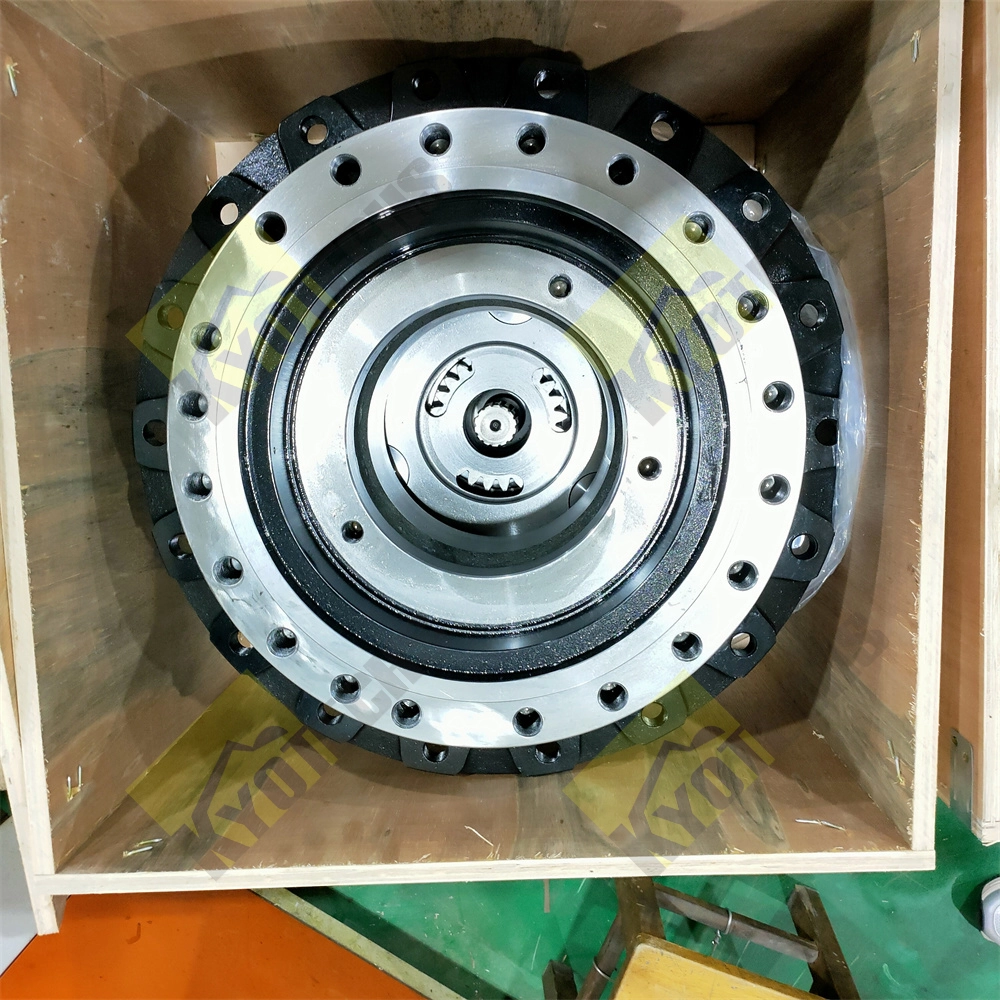
Excavator Spare Parts 515-0070 Travel Gearbox For Caterpillar E330D2
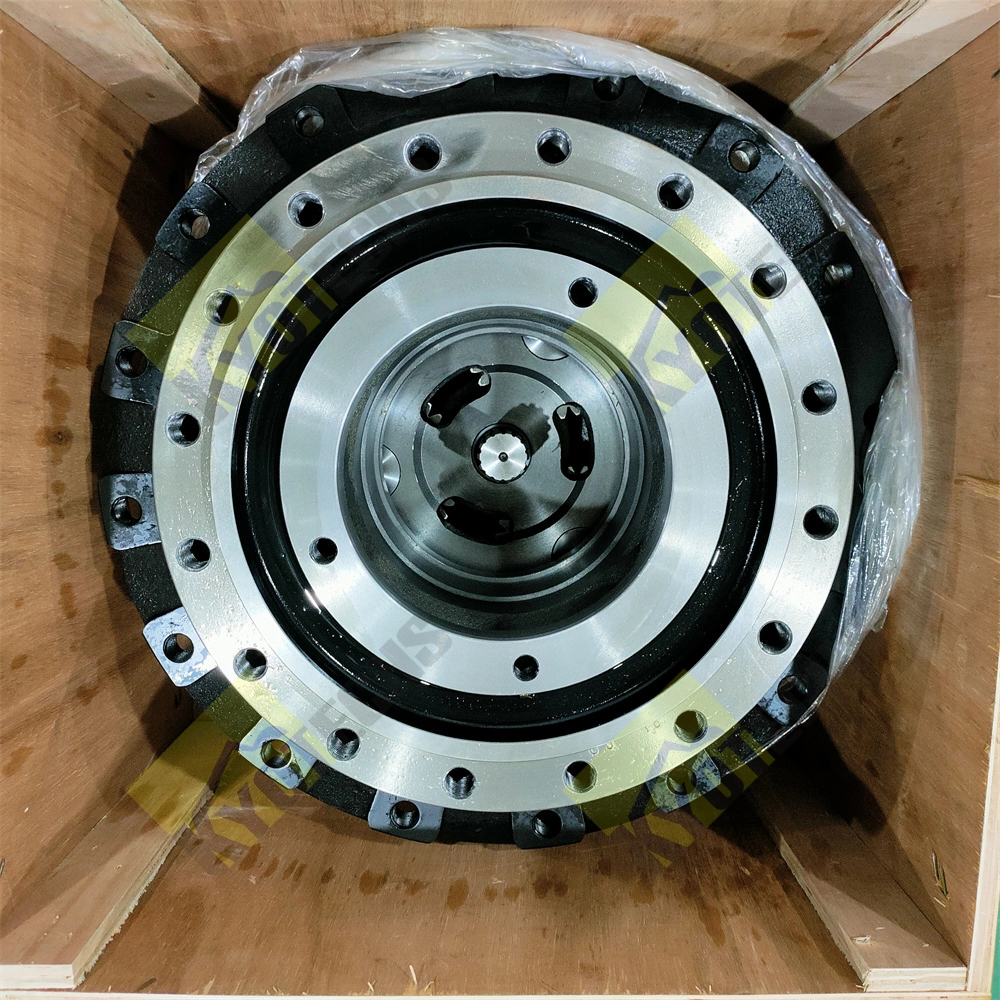
Excavator Spare Parts 480-6768 Travel Gearbox For Caterpillar E320D2
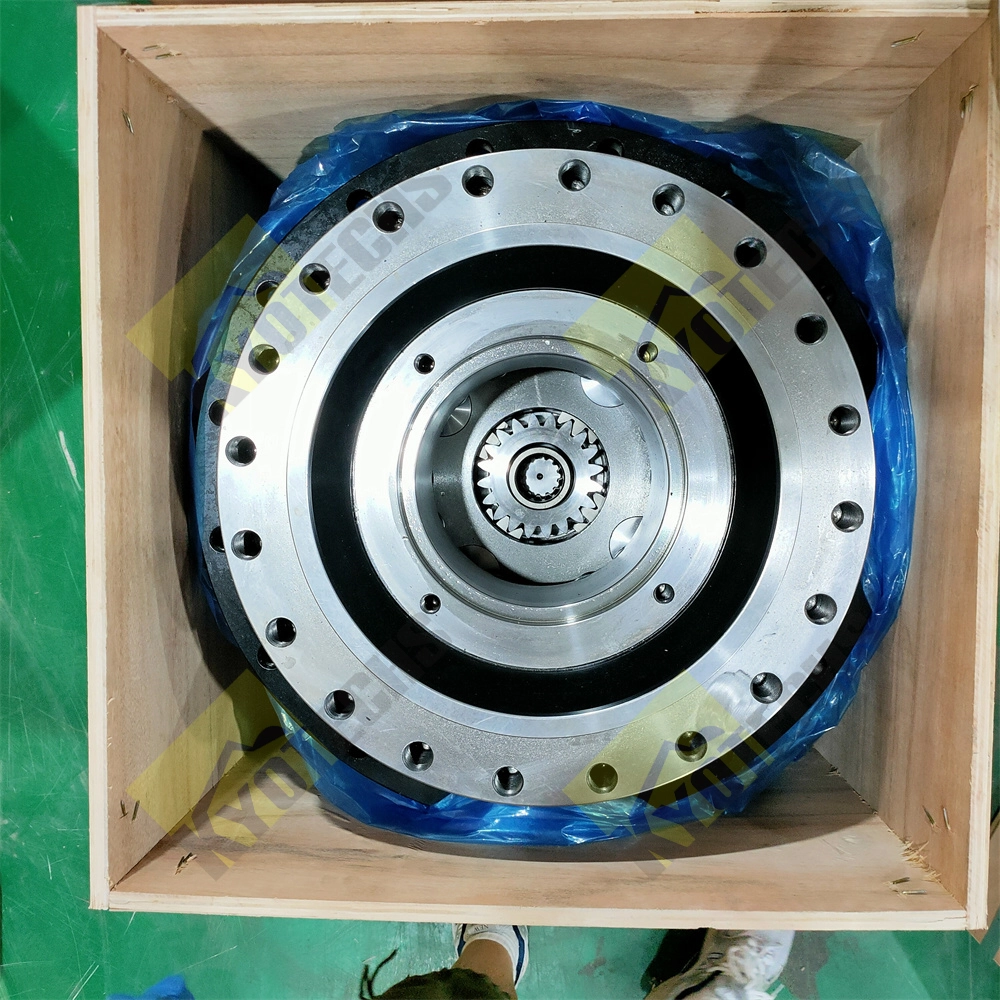
Excavator Spare Parts 353-0562 Travel Gearbox For Caterpillar E336D

Excavator Spare Parts 333-2907 Travel Gearbox For Caterpillar E324D
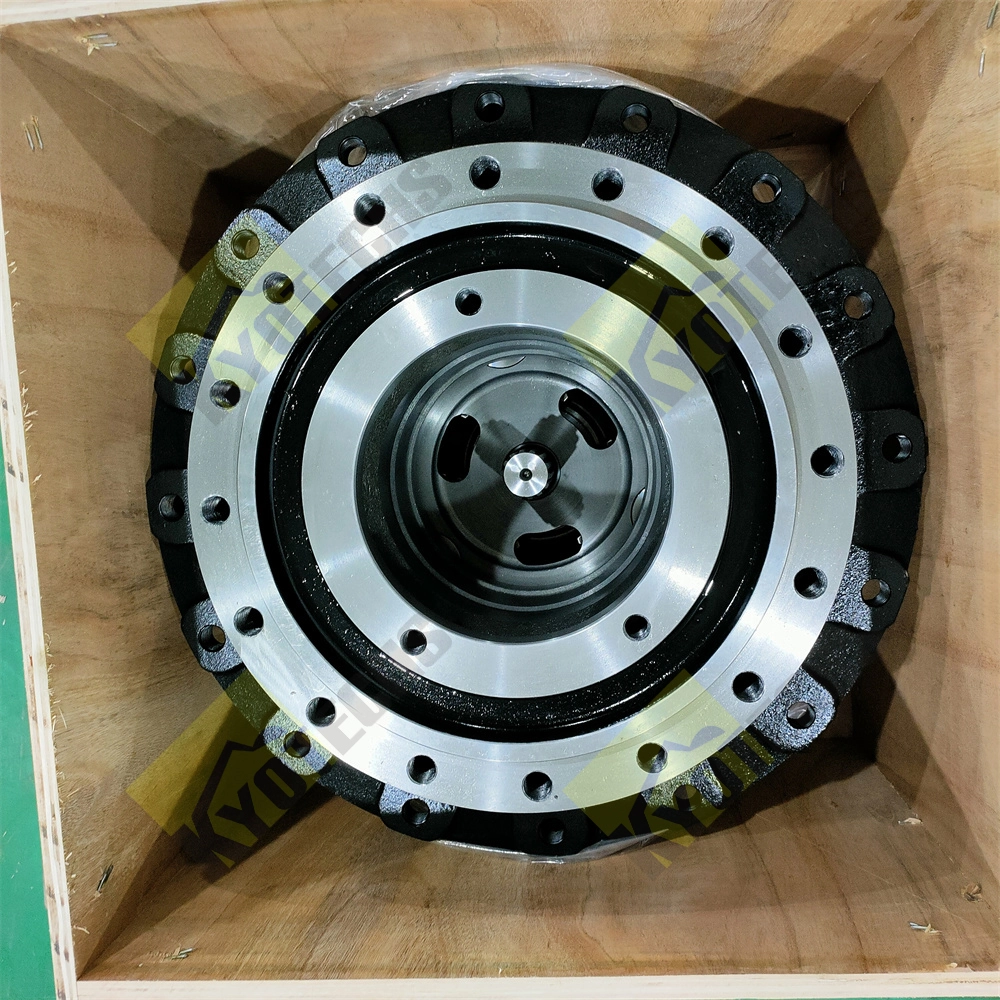
Excavator Spare Parts 296-6218 Travel Gearbox For Caterpillar E336D
Excavator Spare Parts 227-6949 Travel Gearbox For Caterpillar E318C E319C E320D
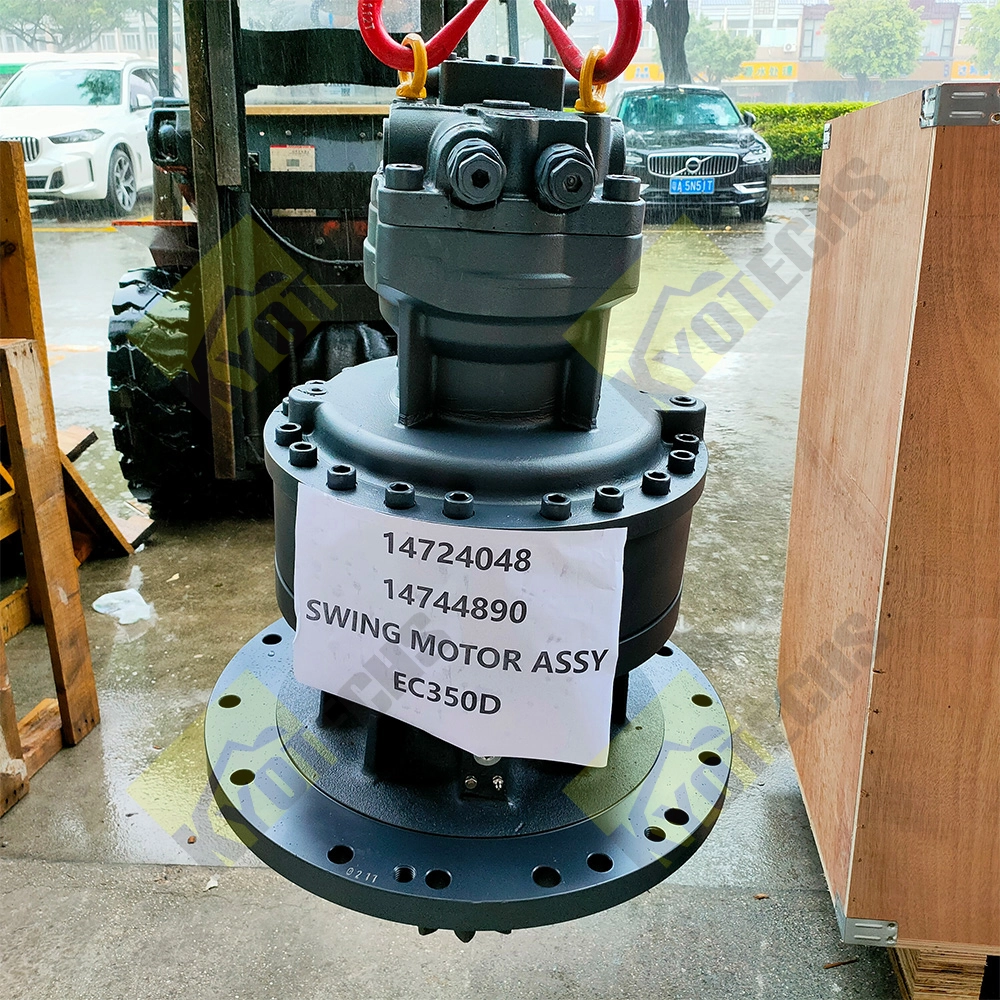
Excavator Parts 14724048 14744890 Swing Motor For Volvo EC350D
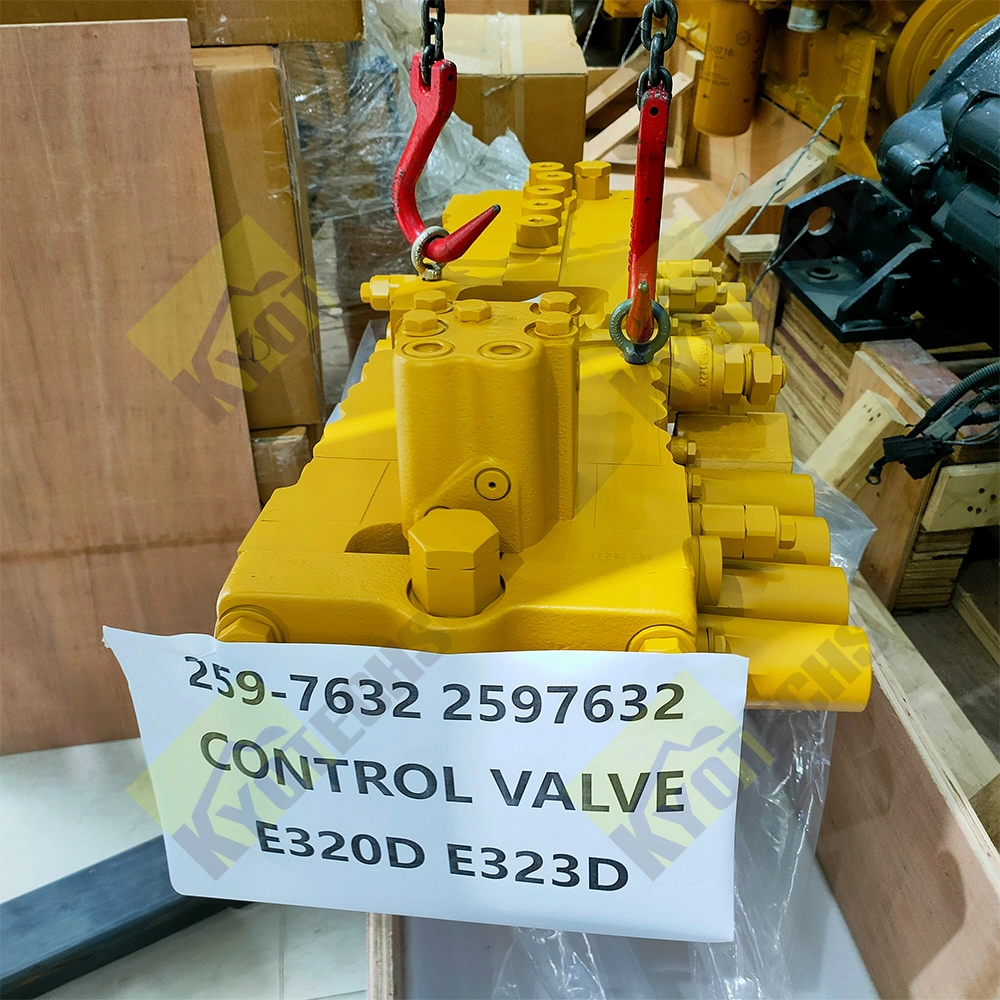
Excavator Spare Parts 259-7632 Control Valve For Caterpillar E320D E323D
To be a happy enterprise in the field of engineering equipment.
Kyotechs delivers efficient and reliable service at each stage to meet the customer's needs.
 High Quality
 7/24 Service
 Guaranteed Warranty
© 2025 KYOTECHS. All Rights Reserved.
Kyotechs
Kyotechs GZ
Kyotechs
Kyotechs