

Complete Guide to Excavator Track Rollers and Idlers: Maintenance, Replacement, Buying Tips
- Introduction: Why excavator track rollers and idlers matter
- What are excavator track rollers and idlers?
- Role of track rollers in the undercarriage
- Role of idlers and how they affect track tension
- Types and construction of track rollers and idlers
- Track roller types and features
- Idler designs and materials
- Common causes of wear and failure
- Abrasive conditions and contamination
- Improper track tension and misalignment
- Hydraulic or mechanical damage
- Inspection checklist for excavator track rollers and idlers
- Daily and weekly visual checks
- Measured inspections and monitoring
- Maintenance practices to extend life
- Cleaning and undercarriage maintenance
- Proper track tensioning and alignment
- Lubrication and seal care
- Replacement intervals and cost considerations
- Typical replacement intervals
- Cost factors and lifecycle economics
- Buying guide: OEM vs aftermarket excavator track rollers and idlers
- When to choose OEM parts
- Quality aftermarket alternatives and what to look for
- Installation and replacement best practices
- Pre-install checks and preparation
- When to replace in sets
- Why choose Kyotechs for excavator track rollers and idlers
- Practical checklist before ordering excavator track rollers and idlers
- Confirm model, serial, and part numbers
- Decide on serviceable or sealed units
- Conclusion: Protect uptime by managing excavator track rollers and idlers
- Frequently Asked Questions
Introduction: Why excavator track rollers and idlers matter
Excavator track rollers and idlers are critical undercarriage components that determine machine stability, traction, and operating costs. Whether you operate a Komatsu, Caterpillar, Hitachi, Volvo, Hyundai or Sany machine, worn rollers and idlers cause downtime, increase fuel consumption, and speed up overall undercarriage wear. This guide explains how rollers and idlers work, how to inspect and maintain them, when to replace them, and how to choose parts—helping you reduce operating expense and extend component life.
What are excavator track rollers and idlers?
Role of track rollers in the undercarriage
Track rollers (bottom rollers) support the weight of the excavator and guide the track as it moves over the ground. They sit between the track chain and the frame, bearing the vertical and lateral loads. Properly functioning track rollers keep the track line straight and distribute load to reduce wear of sprockets, links, and shoes.
Role of idlers and how they affect track tension
Idlers sit at the front (or rear on some designs) of the undercarriage and maintain correct track tension and alignment. A healthy idler prevents track sag, reduces the chance of de-tracking, and helps direct track return. Damaged idlers cause uneven tension, rapid track and shoe wear, and can lead to track derailment under load.
Types and construction of track rollers and idlers
Track roller types and features
Track rollers come as sealed-for-life or serviceable designs and as single flange or double flange variants. Heavy-duty rollers use heat-treated, forged steel with hardened surfaces and robust seals to protect internal bearings. Many modern rollers use cylindrical roller bearings with integrated seals for improved lifespan in abrasive environments.
Idler designs and materials
Idlers vary by flange style (single, double, crowned) and mounting (adjustable vs fixed). They are usually heat-treated cast or forged steel with replaceable bushings or sealed bearings. Some excavators use the spring-applied hydraulic tensioner with an idler that includes a grease fitting or sealed bearing depending on OEM design.
Common causes of wear and failure
Abrasive conditions and contamination
Operating in sand, gravel, or mud with rock and debris increases abrasive wear. Dirt gets into seals and accelerates bearing damage. Regular cleaning of the undercarriage significantly reduces this wear mechanism.
Improper track tension and misalignment
Over-tensioned tracks increase load on rollers and bearings; under-tensioned tracks enable track sag and slippage. Both conditions shorten roller and idler life. Track alignment problems, such as bent frames or worn sprockets, create uneven loading and localized roller wear.
Hydraulic or mechanical damage
Impact from rocks or roots, improper lifting, and collision can deform idler lips or crack roller housings. Hydraulic oil contamination (for idlers with hydraulic tensioners) or poor lubrication can also cause premature failure.
Inspection checklist for excavator track rollers and idlers
Daily and weekly visual checks
Daily: look for oil leaks, visible cracks, missing bolts, abnormal wear on flanges or crowns, and track sag. Weekly: scrape away mud and inspect seal condition, listen for unusual noises while running the machine slowly, and check for metal particles in grease or oil ports.
Measured inspections and monitoring
Measure roller diameter and flange thickness against OEM wear limits using calipers. Look for wobble by jacking the machine and rotating the track manually—looseness indicates bearing wear. Record hours and conditions to trend wear rates. Many fleets replace rollers proactively when wear reaches 40-50% of original diameter to avoid cascading damage.
Maintenance practices to extend life
Cleaning and undercarriage maintenance
Regularly pressure-wash the undercarriage to remove built-up debris. Clean daily in dusty or muddy conditions. A cleaner undercarriage reduces abrasive ingress and improves seal life for rollers and idlers.
Proper track tensioning and alignment
Follow OEM recommended track tension values—typically measured as a certain amount of sag or deflection at the track midpoint. Correct tension reduces stress on rollers, idlers, sprockets, and links. Inspect track alignment during routine service and correct bent linkages or worn sprockets that cause off-line wear.
Lubrication and seal care
For serviceable rollers and idlers, use OEM-specified grease and interval schedules. Inspect and replace seals showing cuts or hardening. For sealed-for-life units, avoid opening seals; monitor for leaks as a sign of seal failure.
Replacement intervals and cost considerations
Typical replacement intervals
Replacement intervals vary with machine size, operating conditions, and maintenance. In moderate conditions, track rollers and idlers often last 2,000–5,000 operating hours. In extremely abrasive or heavy-duty applications, life can be under 2,000 hours. Conversely, well-maintained machines in mild conditions can exceed 5,000 hours.
Cost factors and lifecycle economics
Cost depends on OEM vs aftermarket, roller type, and whether you replace single units or the full set. Single roller or idler replacement (parts only) can range from a few hundred to over a thousand USD for larger models. Labor and downtime add to total cost. Replacing worn rollers proactively typically saves money by preventing sprocket and track chain damage—reducing total undercarriage rebuild costs.
Buying guide: OEM vs aftermarket excavator track rollers and idlers
When to choose OEM parts
OEM parts are recommended when exact fit, certified materials, and warranty support matter. If your fleet requires minimal risk and OEM compatibility for warranty or resale reasons, OEM rollers and idlers are the safe choice.
Quality aftermarket alternatives and what to look for
High-quality aftermarket parts can match OEM performance at lower cost. Look for manufacturers using heat-treated steel, hardened surfaces, sealed bearings, and proven sealing systems. Verify material specs, heat-treatment data, and warranty terms. Check reviews and return rates to confirm reliability.
Installation and replacement best practices
Pre-install checks and preparation
Inspect the new parts visually for damage, compare dimensions with the old parts, and clean mating surfaces. Replace worn bolts, pins, bushings, and seals during installation. Use OEM torque values and alignment procedures to avoid premature failure.
When to replace in sets
Consider replacing rollers or idlers in matched sets if wear is uneven. Mixing a new roller with heavily worn sprockets and track can accelerate wear on the new part. A staged replacement strategy often balances cost and longevity for fleets.
Why choose Kyotechs for excavator track rollers and idlers
Kyotechs, established in 2009, supplies a full range of excavator parts for major brands including Hitachi, Sany, Kawasaki, Volvo, Hyundai, Doosan, Komatsu, Caterpillar, Case, and Kobelco. Our undercarriage parts include track rollers, idlers, sprockets, pins, bushings, and shoes built to meet or exceed OEM standards. Kyotechs provides One-Stop Excavator Software Solution, One-Stop Engine Repair solution, and One-Stop Hydraulic Repair Solution—making parts sourcing, technical support, and repair coordination streamlined for contractors and parts managers. Choosing Kyotechs helps minimize procurement friction and ensures compatibility across inventories for a quicker return to work.
Practical checklist before ordering excavator track rollers and idlers
Confirm model, serial, and part numbers
Always verify excavator model, serial number, and OEM part numbers to ensure correct fit. If part numbers are unknown, provide machine make, model, year, and undercarriage serials to your supplier. Kyotechs’ parts catalog and support team can cross-reference most part numbers quickly.
Decide on serviceable or sealed units
Choose sealed-for-life units for low-maintenance needs in many applications, or serviceable units if you prefer re-greasing intervals and easier field servicing. Factor in operating conditions and maintenance capacity when choosing.
Conclusion: Protect uptime by managing excavator track rollers and idlers
Excavator track rollers and idlers are small parts with big impact. Regular inspection, proper tension, undercarriage cleaning, and timely replacement save significant operating costs and reduce downtime. Whether you opt for OEM or high-quality aftermarket parts, choose suppliers who provide compatibility, warranties, and technical support. Kyotechs offers proven parts and one-stop repair solutions for a broad range of excavator brands—helping you keep machines productive and undercarriage costs under control.
Frequently Asked Questions
What are the most common signs that track rollers need replacement?Common signs include oil leaks from rollers, loud or unusual noises during travel, visible flange or surface wear, excessive vibration, track sag, and metal particles in grease or oil. If you detect wobble or play when rotating the track by hand while jacked, bearings are likely worn.
How often should I inspect excavator track rollers and idlers?Perform a visual check daily and a more thorough inspection weekly. Measure wear monthly or at scheduled service intervals according to hours of operation and operating conditions.
Can I replace only one damaged roller or idler?You can replace a single damaged unit, but mixing new parts with heavily worn ones may accelerate wear. For best lifecycle economics, consider replacing matched rollers or other related undercarriage components when wear is uneven.
Are aftermarket rollers as reliable as OEM?High-quality aftermarket rollers can be as reliable as OEM when produced to similar material and heat-treatment standards. Verify supplier specifications, warranty, and performance history before buying.
How does operating environment affect roller life?Abrasive environments like sand, shale, and gravel shorten roller life significantly. Mud, water, and contaminants that breach seals also accelerate bearing failure. Machines used in rocky or demolition sites will see much faster wear than those on softer ground.
Does Kyotechs provide installation or repair services for undercarriage parts?Kyotechs provides One-Stop Excavator Software Solution and repair solutions including engine and hydraulic repair coordination. We can support parts selection, compatibility checks, and advise on installation best practices or refer trusted service partners.
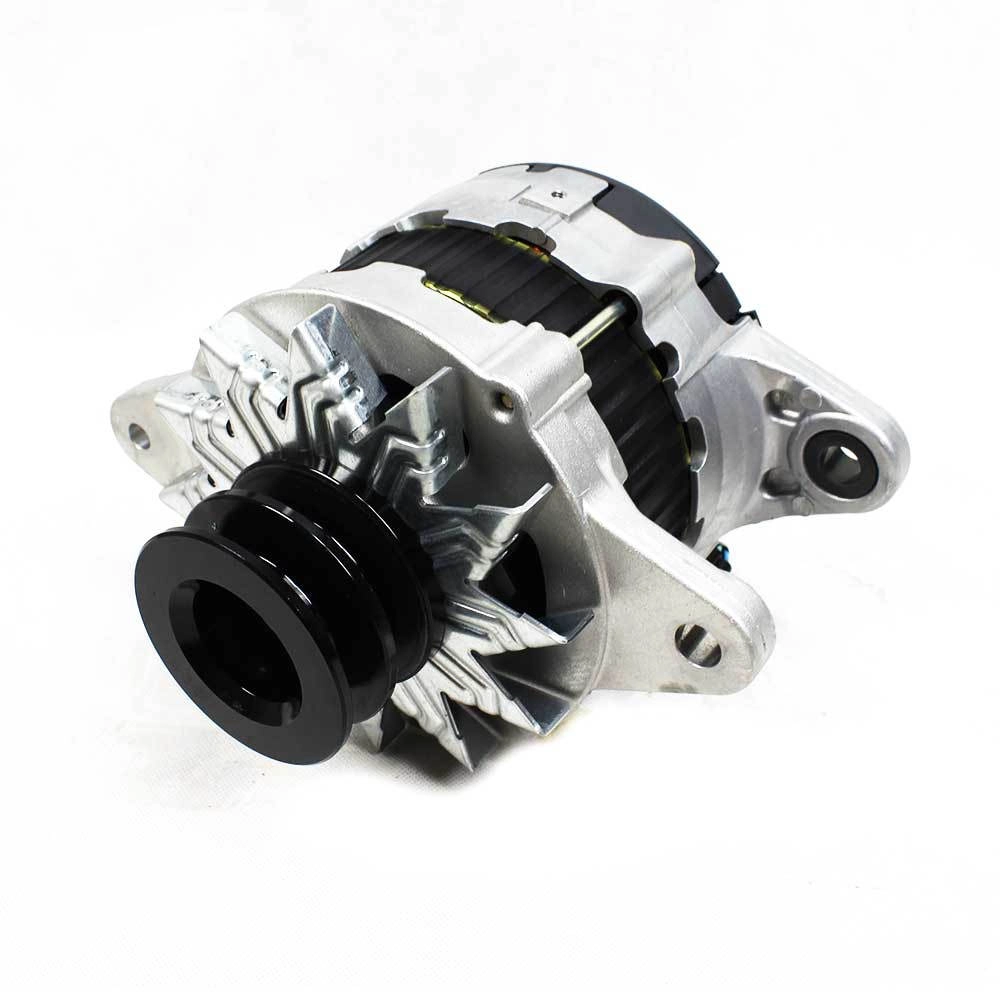
Everything You Need to Know About the 1275Swing Motor Gearbox for Case by Kyotechs
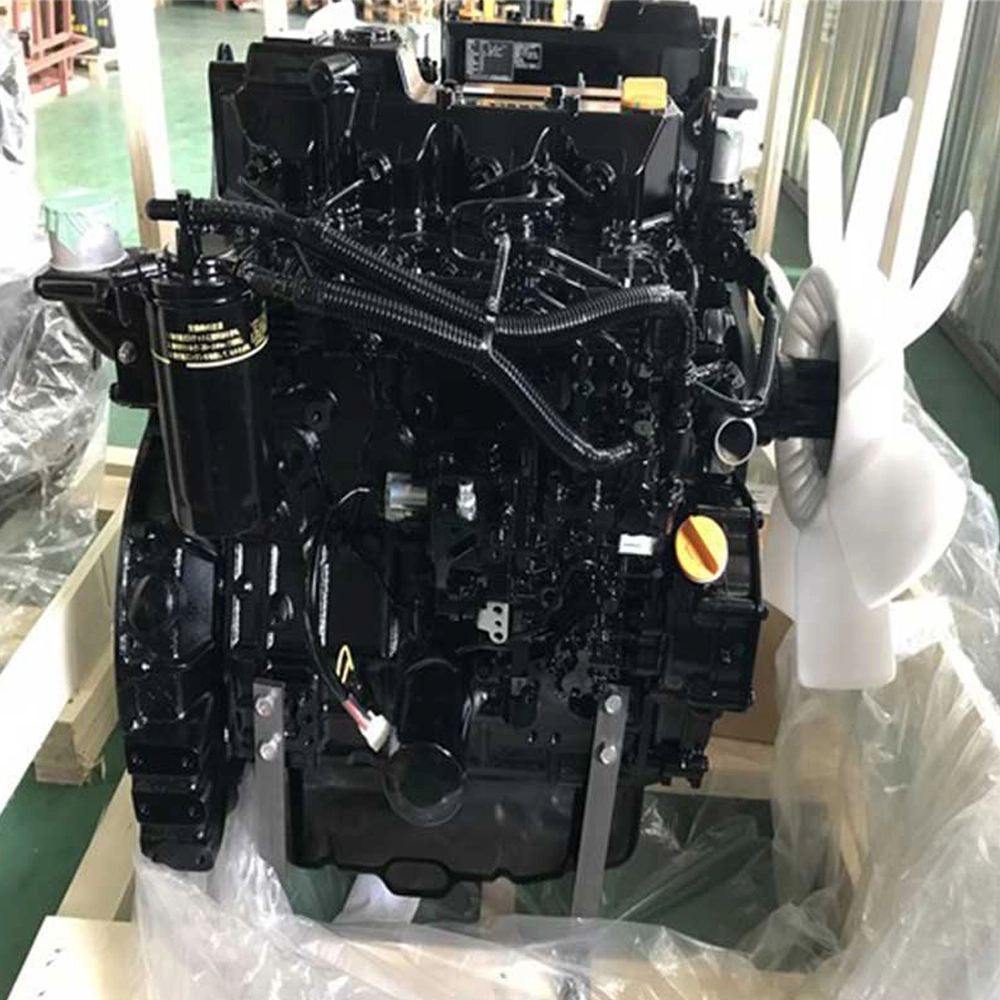
Everything You Need to Know About 979C7.1 Engine Assembly by KYOTECHS
Kyotechs best professional Daewoo excavator parts Manufacturers and supplier brand
Understanding Excavator Hydraulic Pumps | Kyotechs
FAQS
How to check the internal wear of the hydraulic pump?
Checking for internal wear requires disassembling the pump and visually inspecting the components, measuring the clearances and comparing to the manufacturer's specifications.
Why does the hydraulic system overheat during excavation?
Possible low hydraulic oil level, clogged filter, excessive load, or cooling system failure. Solution: Check and refill hydraulic oil, clean or replace filter, reduce system load, check and repair cooling system.
Why choose Kyotechs?
1. Kyotechs, Focus on the machinery industry over 20 years, have abundant experience and sound reputation in the field. support the full range of excavator accessories.
2. kyotechs offer Maintenance service: repair and testing for monitor ECU controller software; Engine start testing, remanufacture and repaint; Hydraulic pump refit, etc.
3. 100% quality guaranteed; Kyotechs offers different quality requirements for excavator parts. new and used genuine parts, OEM parts made in China, Japan, Korea. main parts normal operation running at least 3-5 years. Use Kyotechs parts; few worries!
4. Small orders and sample orders are acceptable; large quantities and price negotiations.
5. Quick delivery time: order before 4:00 p.m. and ship out on the same day.
What to do if the excavator's fuel system is clogged?
Check and clean the fuel filters, clean sediment from the fuel tank, inspect the fuel lines for blockages or leaks, and use appropriate cleaning agents to flush the fuel system.
What are the reasons for the excavator engine to emit black smoke?
- 1. Insufficient air intake: Check whether the intake valve clearance is within a reasonable range. Unequal valve clearance will cause insufficient intake pressure and volume; whether the air filter is clogged. The supercharger is damaged, resulting in insufficient intake pressure;
2. The diesel quality is poor, and the diesel pump and fuel injector are worn;
3. Injector wear: Excessive fuel injection leads to incomplete combustion. Service personnel are required to perform an engine cylinder disconnection experiment to check whether it is caused by wear of the fuel injector.
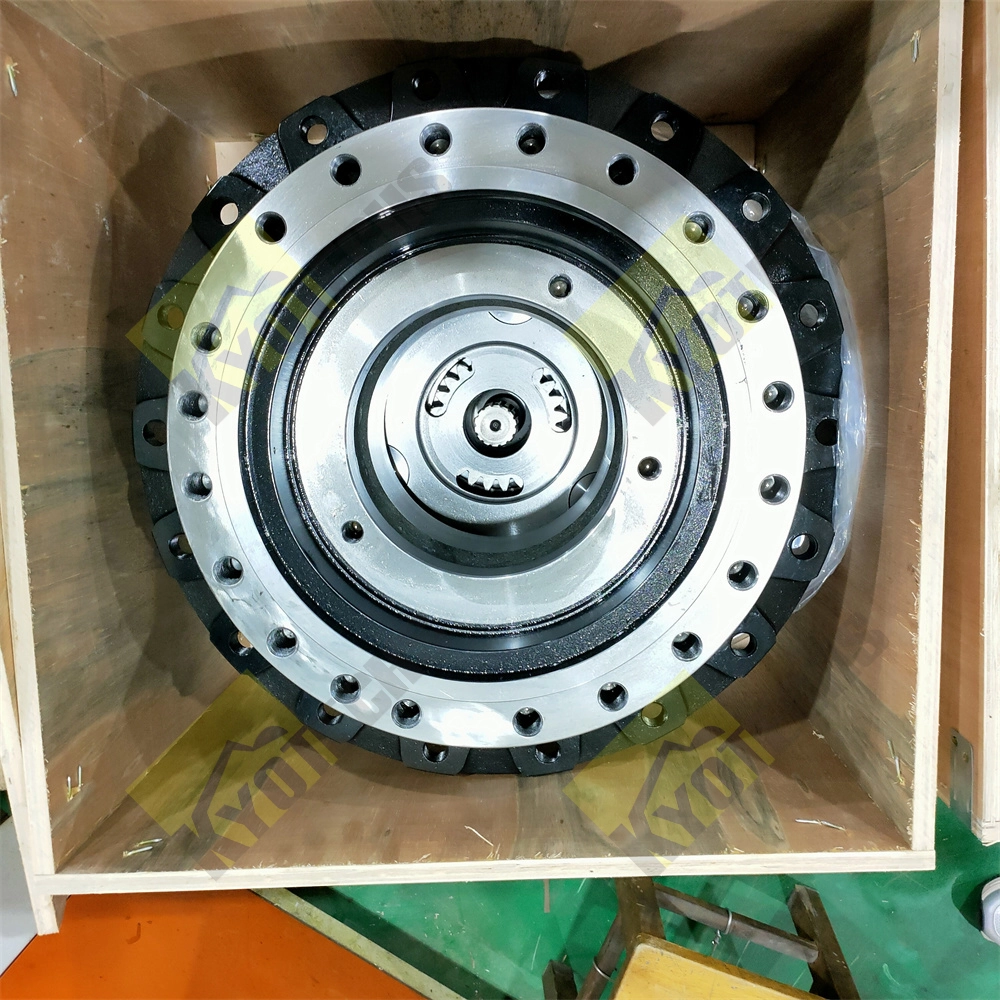
Excavator Spare Parts 515-0070 Travel Gearbox For Caterpillar E330D2
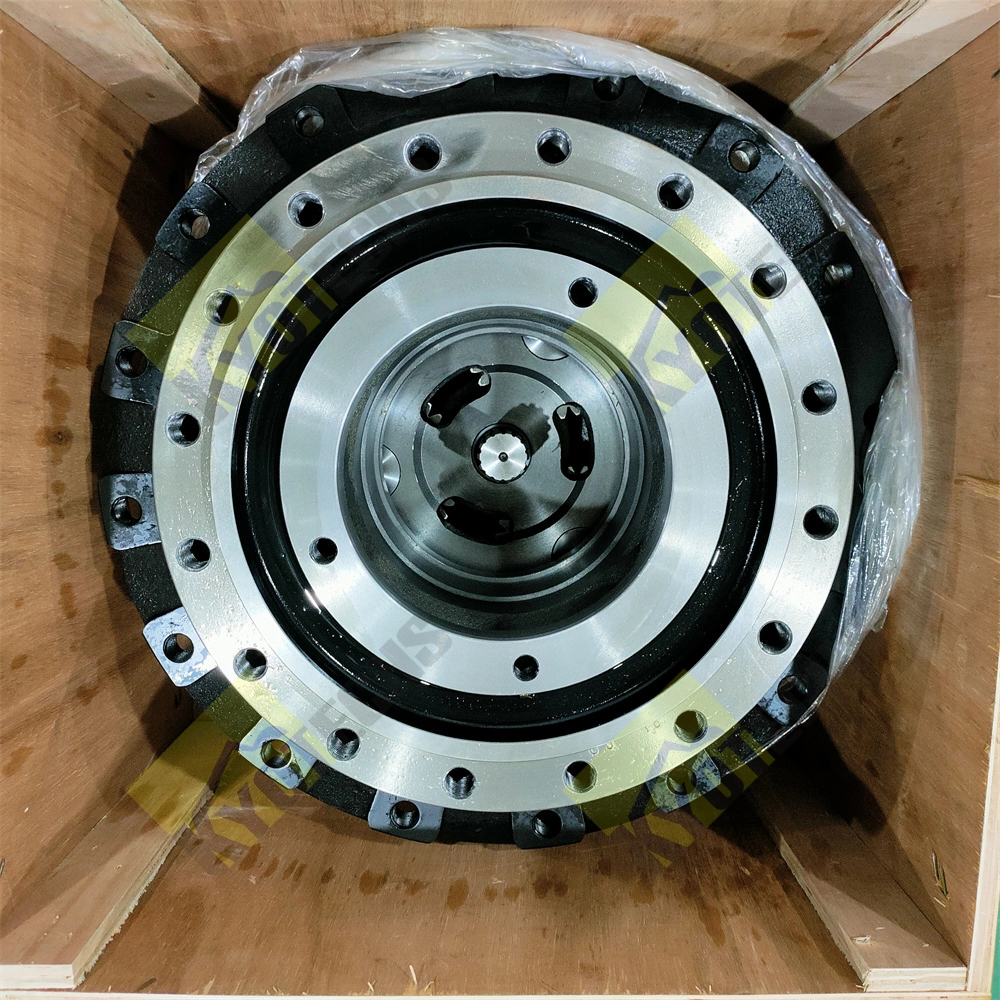
Excavator Spare Parts 480-6768 Travel Gearbox For Caterpillar E320D2
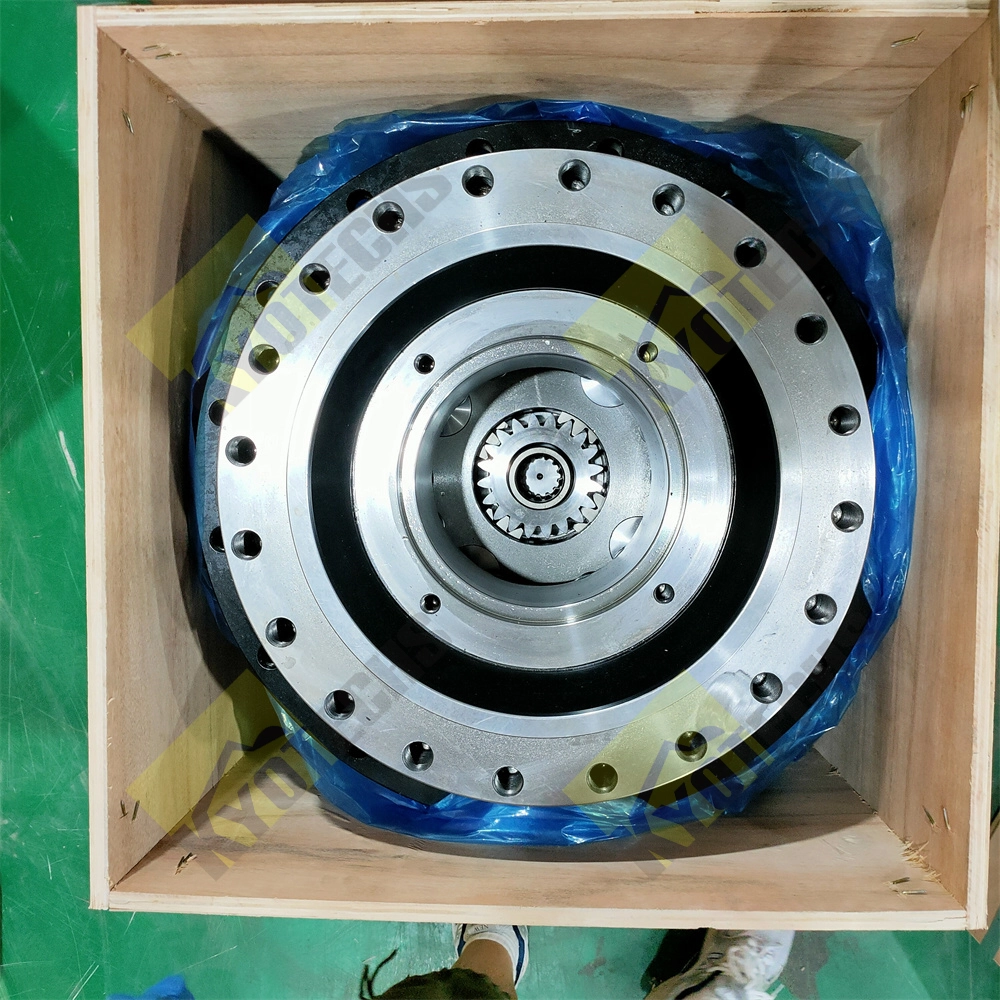
Excavator Spare Parts 353-0562 Travel Gearbox For Caterpillar E336D

Excavator Spare Parts 333-2907 Travel Gearbox For Caterpillar E324D
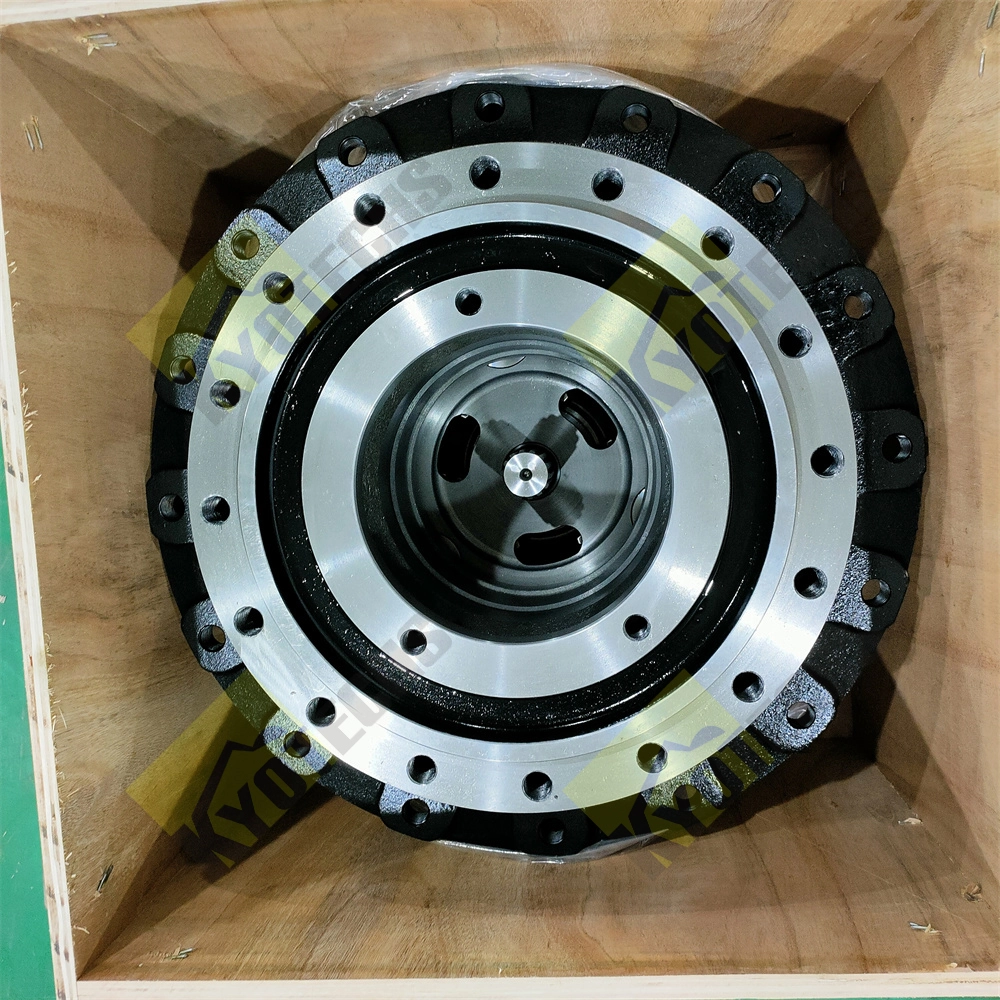
Excavator Spare Parts 296-6218 Travel Gearbox For Caterpillar E336D
Excavator Spare Parts 227-6949 Travel Gearbox For Caterpillar E318C E319C E320D
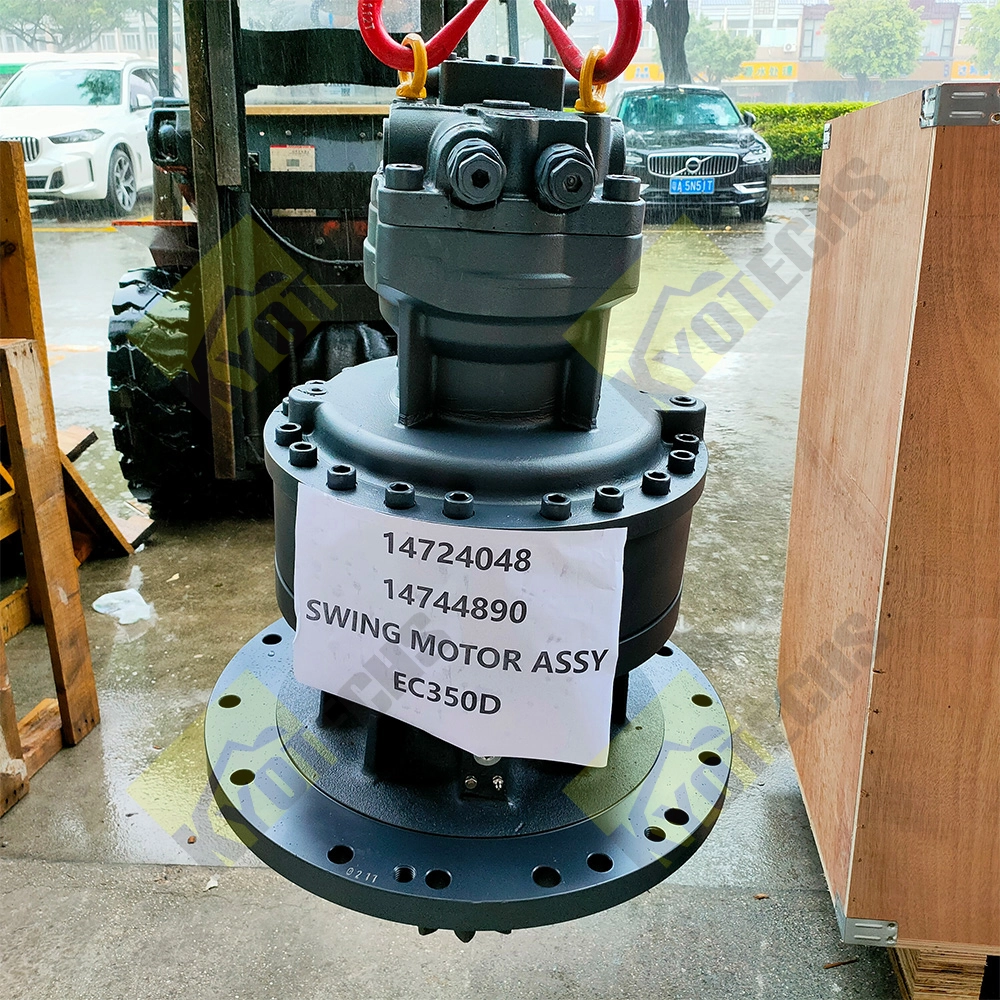
Excavator Parts 14724048 14744890 Swing Motor For Volvo EC350D
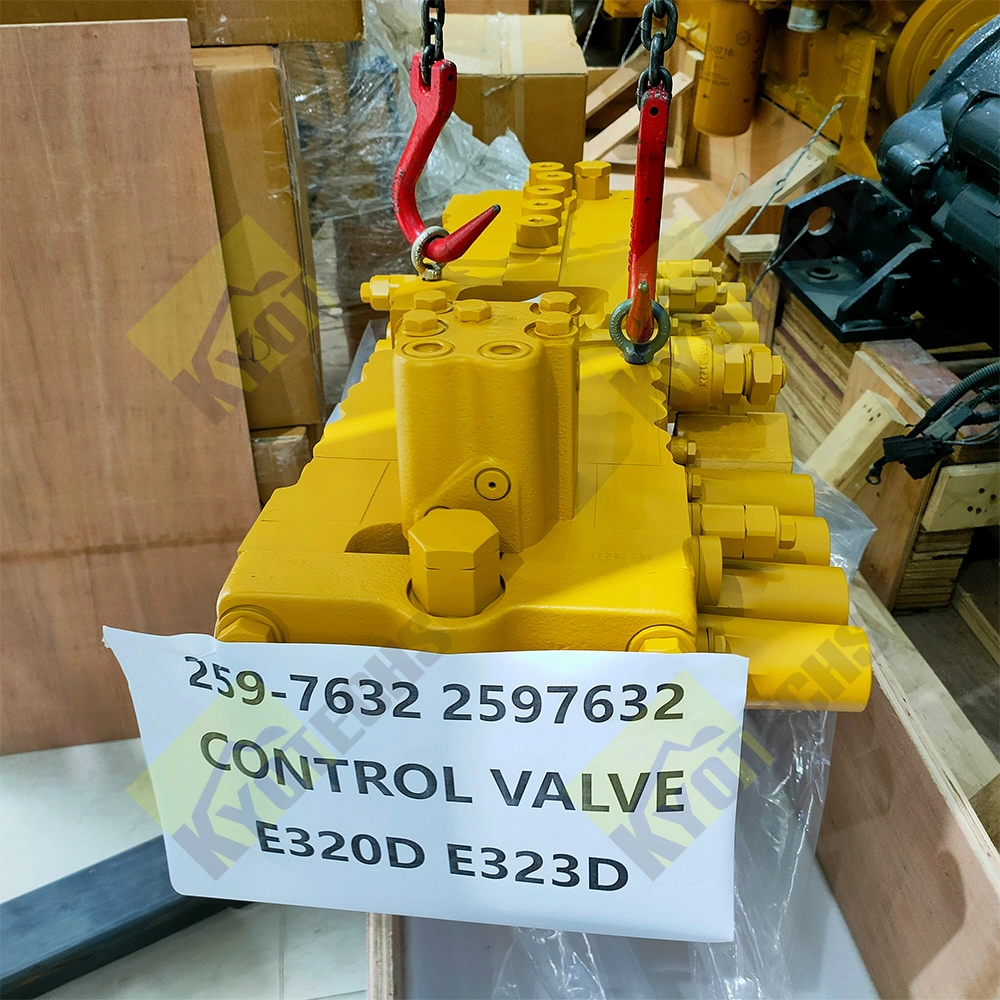
Excavator Spare Parts 259-7632 Control Valve For Caterpillar E320D E323D
To be a happy enterprise in the field of engineering equipment.
Kyotechs delivers efficient and reliable service at each stage to meet the customer's needs.
 High Quality
 7/24 Service
 Guaranteed Warranty
© 2025 KYOTECHS. All Rights Reserved.
Kyotechs
Kyotechs GZ
Kyotechs
Kyotechs