How to check turbocharger oil leakage? Kyotechs experts share simple steps to detect and fix leaks, ensuring optimal engine performance. Learn visual inspections, pressure tests, and maintenance tips for reliable results. Trust Kyotechs for automotive solutions.
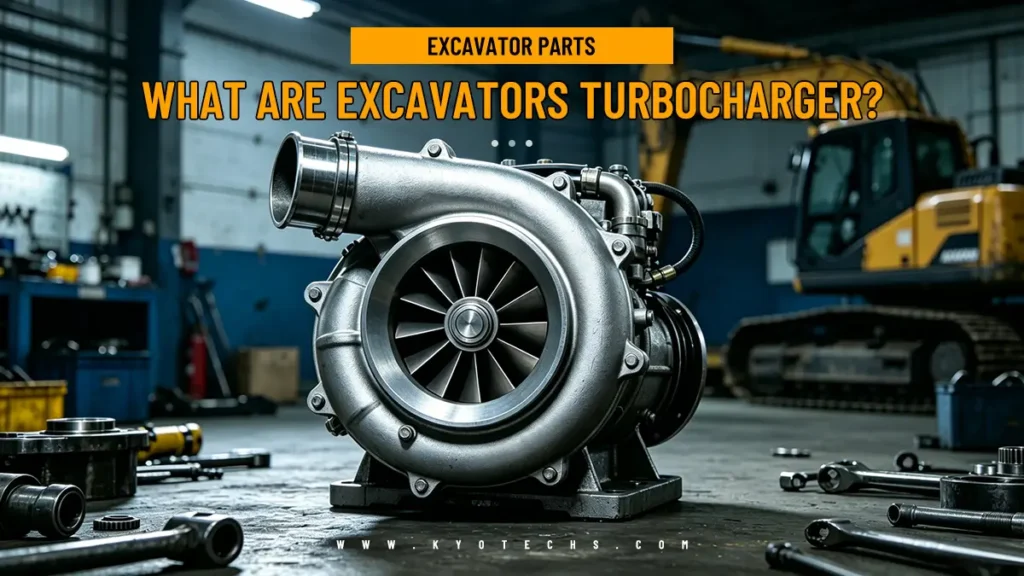
Turbochargers are vital components in modern engines, enhancing performance and efficiency by forcing more air into the combustion chamber. However, like any mechanical part, turbos can develop issues, with oil leaks being one of the most common problems. Recognizing the signs of a turbo oil leak, understanding its causes, and knowing how to address it can save you from costly repairs and potential engine damage.
What Are Common Symptoms of Turbo Leak Oil?
Identifying a turbo oil leak early can prevent further damage. Here are the most common symptoms to watch for:
1. Blue or Gray Smoke from Exhaust
One of the most telltale signs is blue or gray smoke coming from your exhaust, especially during acceleration. This happens because oil is burning in the combustion chamber due to the leak.
2. Oil Consumption Increase
If you find yourself adding oil more frequently than usual without any visible leaks under the vehicle, a turbo leak could be the culprit.
Reduced Engine Performance: A leaking turbo may not function efficiently, leading to decreased power, acceleration, and overall engine performance.
3. Whining or Squealing Noises
Unusual sounds from the turbocharger area, such as whining or squealing, can indicate oil supply issues that may lead to leaks.
4. Oil Residue Around Turbo Components
Visually inspecting the turbocharger may reveal oil residue around the intake or exhaust connections, a clear sign of a leak.
What Are The Causes Of Turbo Oil Leaking?
Several factors can contribute to turbo oil leaks, ranging from normal wear and tear to improper maintenance:
1. Worn Seals or Gaskets
The most common cause is deteriorated seals or gaskets within the turbocharger. Over time, heat and pressure can cause these components to harden or crack, allowing oil to escape.
2. Clogged Oil Return Line
If the oil return line becomes blocked by sludge or debris, oil can’t properly drain from the turbo, leading to increased pressure and leaks.
3. Oil Pressure Issues
Either too high or too low oil pressure can cause leaks. High pressure can force oil past seals, while low pressure may not properly lubricate components, leading to excessive wear.
4. Dirty or Contaminated Oil
Oil contaminated with dirt, metal particles, or other debris can accelerate wear on turbo components, including seals.
5. Incorrect Installation
Improper installation of the turbocharger, including incorrect alignment or over-tightened bolts, can cause leaks.
6. Turbocharger Overheating
Excessive heat due to engine overheating, coolant issues, or restricted airflow can damage seals and cause leaks.
Can You Drive With a Leaking Turbo?
While it may be possible to drive short distances with a leaking turbo, it’s not advisable. Continuing to operate your vehicle with a known turbo oil leak can lead to further damage to the turbocharger itself and potentially other engine components.
The oil leaking from the turbo can contaminate the intercooler and intake system, creating carbon deposits that reduce efficiency. Additionally, low oil levels caused by the leak can lead to insufficient lubrication, resulting in increased friction and heat.
If you suspect a turbo leak, it’s best to have your vehicle inspected by a qualified mechanic as soon as possible and avoid unnecessary driving until the issue is resolved.
Can a Leaking Turbo Damage Engine?
Yes, a leaking turbo can indeed damage your engine if left unaddressed. Here’s how:
1. Oil Starvation
A significant leak can lead to low engine oil levels, depriving critical engine components of proper lubrication and causing excessive wear or even seizure.
2. Carbon Buildup
Oil entering the combustion chamber can create carbon deposits on valves, pistons, and spark plugs, leading to misfires, reduced performance, and potentially valve damage.
3. Catalytic Converter Damage
Burning oil in the exhaust system can damage the catalytic converter, a costly component required for emissions control.
4. Turbocharger Failure
A leaking turbo will eventually fail completely, which can result in metal fragments entering the engine and causing catastrophic damage.
5. Engine Overheating
Reduced turbo efficiency can cause the engine to work harder, leading to overheating and potential damage to gaskets and other components.
How to Prevent Turbo Leaks?
Preventing turbo oil leaks primarily involves proper maintenance and care:
1. Regular Oil Changes
Follow the manufacturer’s recommendations for oil changes, using the specified oil type. Clean oil is essential for turbo health and preventing seal deterioration.
2. Allow Proper Warm-Up and Cool-Down
Let the engine idle for 30-60 seconds before driving aggressively, and allow a similar cool-down period before shutting off after high-speed or heavy-load driving. This helps prevent thermal shock to turbo components.
3. Use Quality Oil Filters
A good oil filter helps remove contaminants that can damage turbo seals and components.
4. Check Oil Levels Regularly
Maintaining proper oil levels ensures adequate lubrication and pressure for the turbocharger.
5. Inspect Turbo Components Periodically
If you’re mechanically inclined, periodically inspect the turbocharger for signs of oil leaks or damage. Look for oil residue around connections and check hoses for cracks or blockages.
6. Address Issues Promptly
If you notice any symptoms of a turbo leak or reduced performance, have your vehicle inspected immediately to prevent further damage.
7. Avoid Aggressive Driving When Engine Is Cold
Cold oil doesn’t lubricate as effectively, so avoid high RPMs until the engine reaches operating temperature.
By understanding the symptoms, causes, and risks associated with turbo oil leaks, you can take proactive steps to maintain your turbocharger and prevent costly repairs. Regular maintenance and prompt attention to warning signs are key to ensuring the longevity and performance of your turbocharged engine.