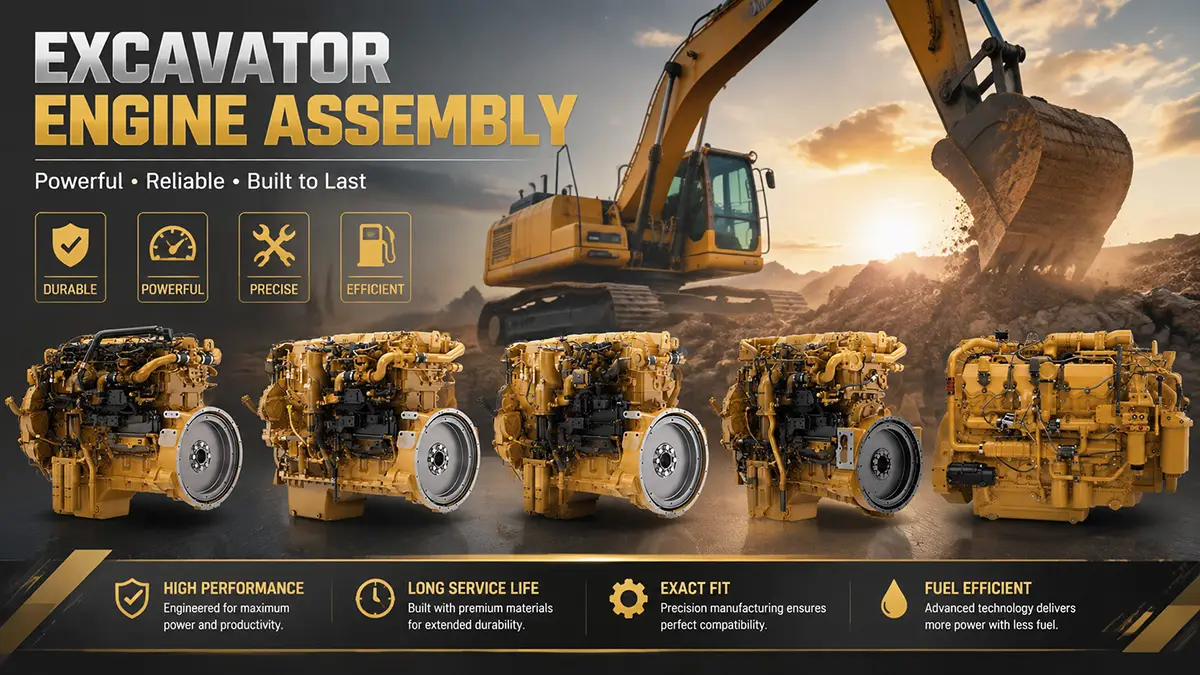
The excavator engine is the heart of the machine, providing the power required for digging, lifting, traveling, and other heavy-duty operations. Whether it is a small excavator or a large mining excavator, engine performance directly affects productivity, fuel efficiency.
What Are the Common Problems of Excavator Engines?

Excavator engines usually experience problems related to fuel systems, cooling systems, lubrication systems, and electrical components. Below are the most common excavator engine failures.
1. Engine Overheating
Engine overheating is one of the most common problems found in excavators. When the engine temperature becomes too high, it can reduce performance and cause serious damage to internal components.
Common symptoms:
- High coolant temperature warning
- Reduced engine power
- Coolant leakage
- Steam coming from the engine compartment
- Engine shutdown due to overheating protection
Possible causes:
- Dirty or blocked radiator
- Low coolant level
- Damaged water pump
- Faulty thermostat
- Cooling fan failure
Regular cleaning of the radiator and checking the cooling system can effectively prevent overheating problems.
2. Low Engine Power or Poor Performance
A common complaint from excavator operators is that the machine loses power during operation. The excavator may move slowly, have weak digging force, or struggle under heavy loads.
Common causes include:
- Clogged fuel filters
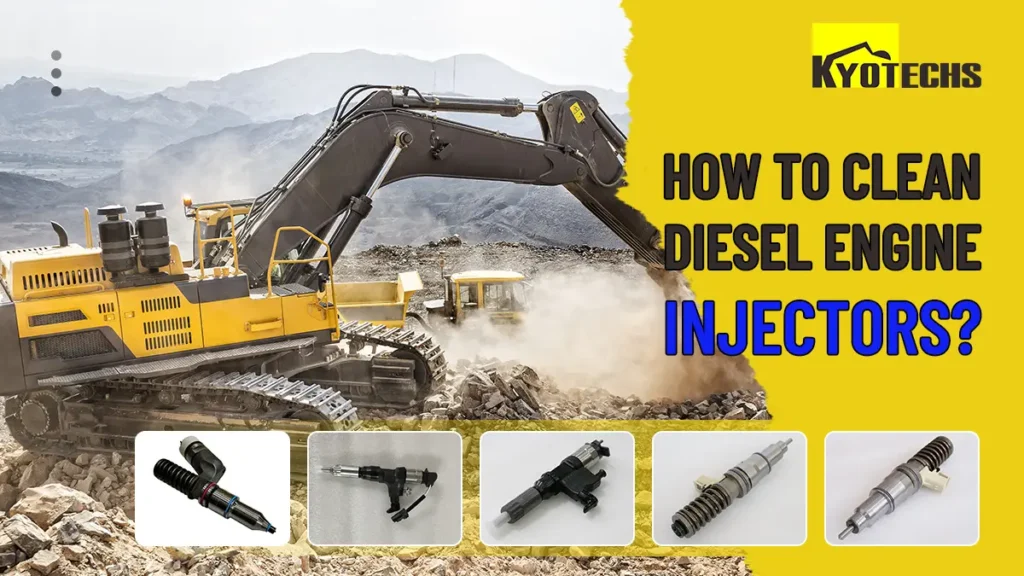
- Faulty fuel injectors
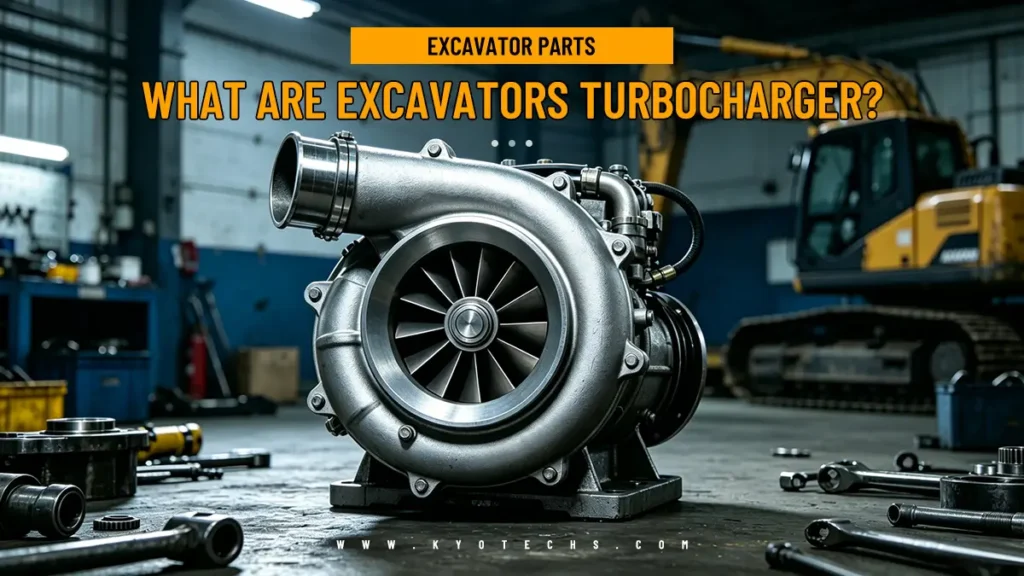
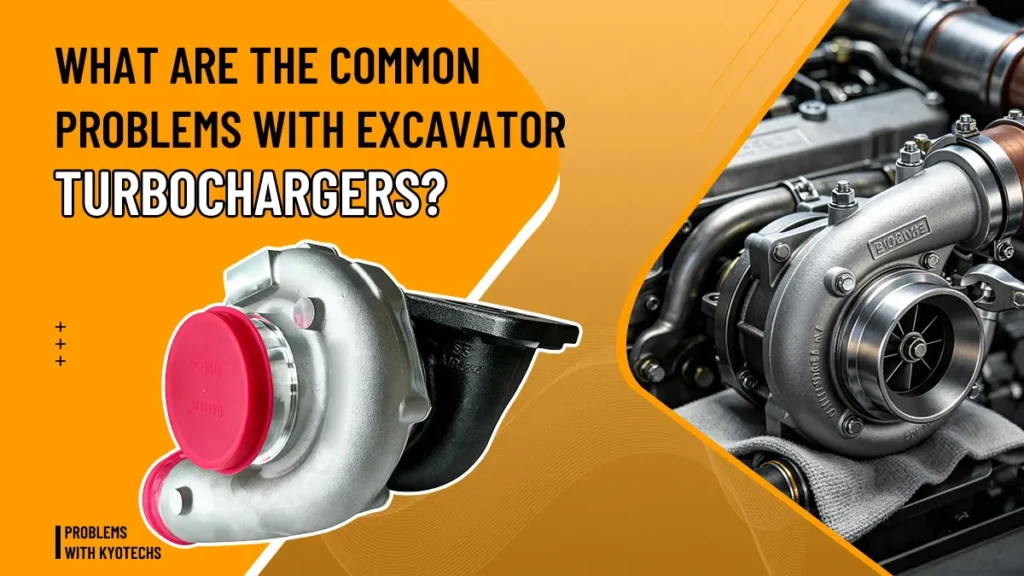
- Turbocharger failure
- Insufficient air intake
- Low fuel pressure
- Engine compression problems
A poorly maintained fuel system can significantly reduce engine efficiency and increase fuel consumption.
3. Excessive Engine Smoke
Abnormal exhaust smoke is an important warning sign of engine problems. Different smoke colors usually indicate different failures.
Black smoke:
Usually caused by incomplete combustion due to:
- Dirty air filter
- Faulty injector
- Turbocharger problems
- Excess fuel supply
White smoke:
May indicate:
- Coolant entering the combustion chamber
- Injector malfunction
- Low cylinder temperature
Blue smoke:
Usually caused by:
- Burning engine oil
- Worn piston rings
- Damaged cylinder liners
Early diagnosis can prevent major engine damage.
4. Difficult Engine Starting
Sometimes an excavator engine may crank slowly or fail to start completely.
Common reasons include:
- Weak battery
- Damaged starter motor
- Fuel supply problems
- Air entering the fuel system
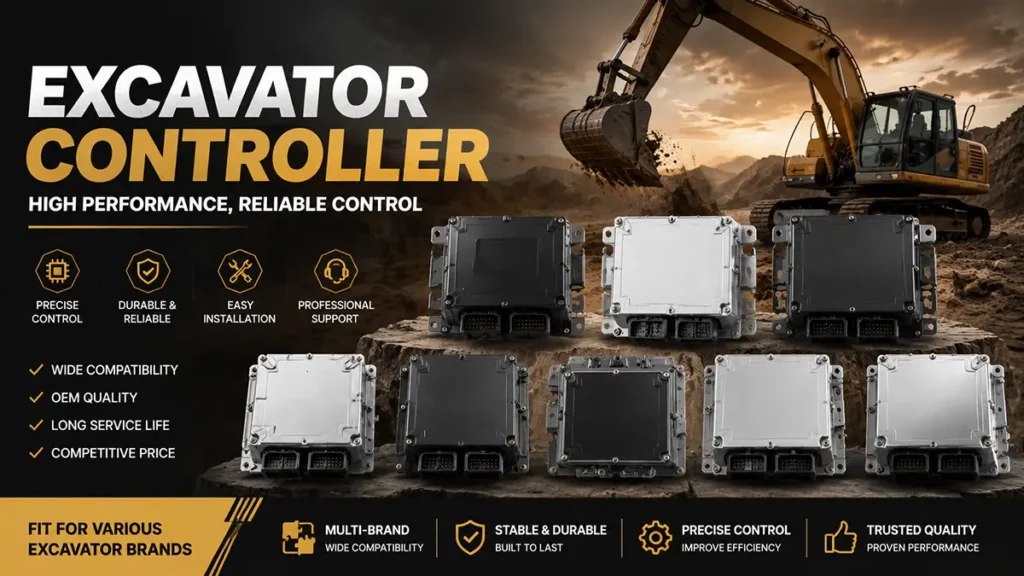
- Faulty engine ECU
- Low compression
Checking the battery voltage, fuel system, and electrical connections regularly can reduce starting failures.
5. Excessive Engine Oil Consumption
If an excavator engine consumes too much oil, it may indicate internal wear or leakage.
Possible causes:
- Worn piston rings
- Damaged cylinder liners
- Turbocharger oil leakage
- Poor-quality engine oil
- External oil leaks
Regular oil inspection and timely replacement of oil filters are important for protecting engine components.
What Are the Main Causes of Excavator Engine Problems?

Understanding why engine problems happen helps operators prevent failures before they occur.
1. Lack of Regular Maintenance
One of the biggest causes of excavator engine failure is insufficient maintenance.
Ignoring routine service such as:
- Engine oil replacement
- Filter replacement
- Cooling system inspection
- Fuel system cleaning
It can accelerate component wear and reduce engine life.
2. Poor Quality Fuel
Contaminated diesel fuel can damage important components such as:
- Fuel injectors
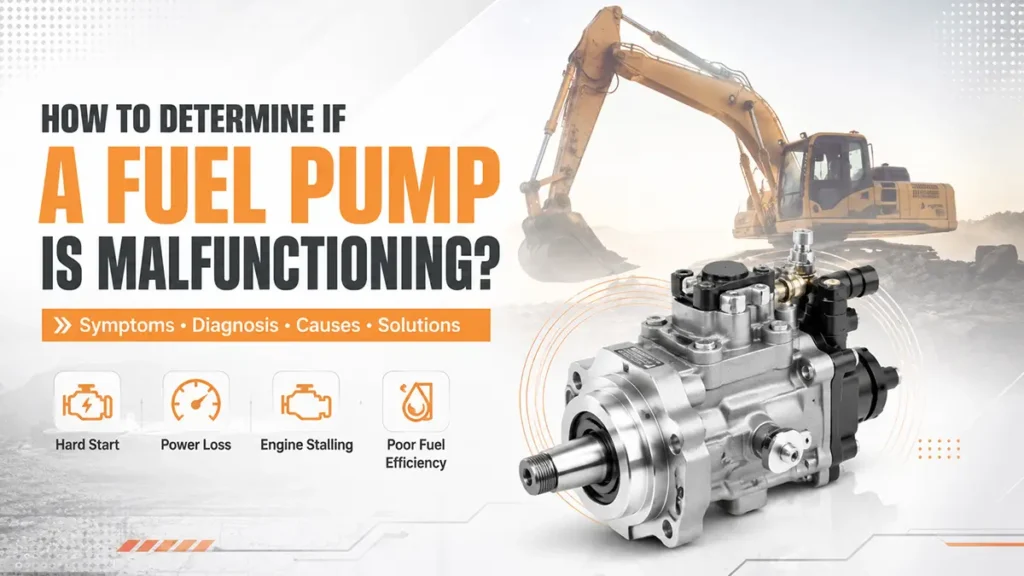
- Fuel pumps
- Engine cylinders
Water, dust, and impurities in fuel can cause poor combustion and expensive repairs.
3. Operating the Excavator Incorrectly
Incorrect operation can place excessive stress on the engine.
Examples include:
- Running the engine at maximum load for long periods
- Ignoring warning alarms
- Sudden acceleration when cold
- Operating with insufficient warm-up time
Proper operation habits can significantly extend engine service life.
4. Harsh Working Conditions
Excavators often operate in:
- Mining areas
- Construction sites
- Muddy environments
- High-temperature regions
Dust and extreme conditions can quickly clog filters and damage engine components.
How to Maintain an Excavator Engine Properly?

Proper maintenance is the best way to improve engine reliability and reduce repair costs.
1. Perform Regular Engine Oil Changes
Engine oil lubricates moving parts and reduces friction between components.
Maintenance tips:
- Check oil level regularly
- Use manufacturer-recommended oil
- Replace oil according to operating hours
- Change oil filters together with engine oil
Old or contaminated oil can cause serious engine wear.
2. Clean and Replace Air Filters
A clean air intake system ensures proper combustion.
Recommended actions:
- Inspect air filters frequently
- Clean dust from filters
- Replace damaged filters immediately
A blocked air filter can reduce engine power and increase fuel consumption.
3. Maintain the Cooling System
The cooling system prevents excessive engine temperature.
Important checks:
- Radiator cleanliness
- Coolant level
- Water pump condition
- Thermostat operation
- Cooling fan performance
4. Inspect Fuel System Components
The fuel system directly affects engine performance.
Regular inspection should include:
- Fuel injectors
- Fuel pump
- Fuel filters
- Fuel lines
Replacing worn fuel components can improve power and reduce fuel consumption.
5. Check Engine Warning Signals
Modern excavators use ECU systems to monitor engine conditions.
Operators should pay attention to:
- Warning lights
- Abnormal noises
- Smoke changes
- Performance reduction
Early troubleshooting prevents major failures.
Conclusion
Excavator engine problems can lead to expensive downtime and reduced productivity. Common issues such as overheating, low power, excessive smoke, starting problems, and oil consumption are usually caused by poor maintenance, contaminated fuel, harsh working conditions, or improper operation.
Following a regular excavator engine maintenance schedule, including oil changes, filter replacement, cooling system checks, and fuel system inspections, can greatly improve engine reliability.
If you have any technical questions or would like to learn more about our products, please feel free to contact us.
FAQs
1. What are the signs of a bad excavator engine?
Common signs include:
- Excessive smoke
- Low power
- High fuel consumption
- Overheating
- Unusual engine noises
- Difficulty starting
2. How can I extend the life of an excavator engine?
You can extend engine life by:
- Using high-quality fuel and oil
- Replacing filters regularly
- Keeping the cooling system clean
- Avoiding overloading
- Performing preventive maintenance
3. Why does my excavator engine lose power?
Power loss may be caused by clogged filters, injector problems, turbocharger failure, insufficient fuel supply, or low compression.
4. How do I know if my excavator engine needs repair?
If you notice continuous smoke, abnormal noise, overheating, oil leakage, or frequent warning alarms, the engine should be inspected by a professional technician.