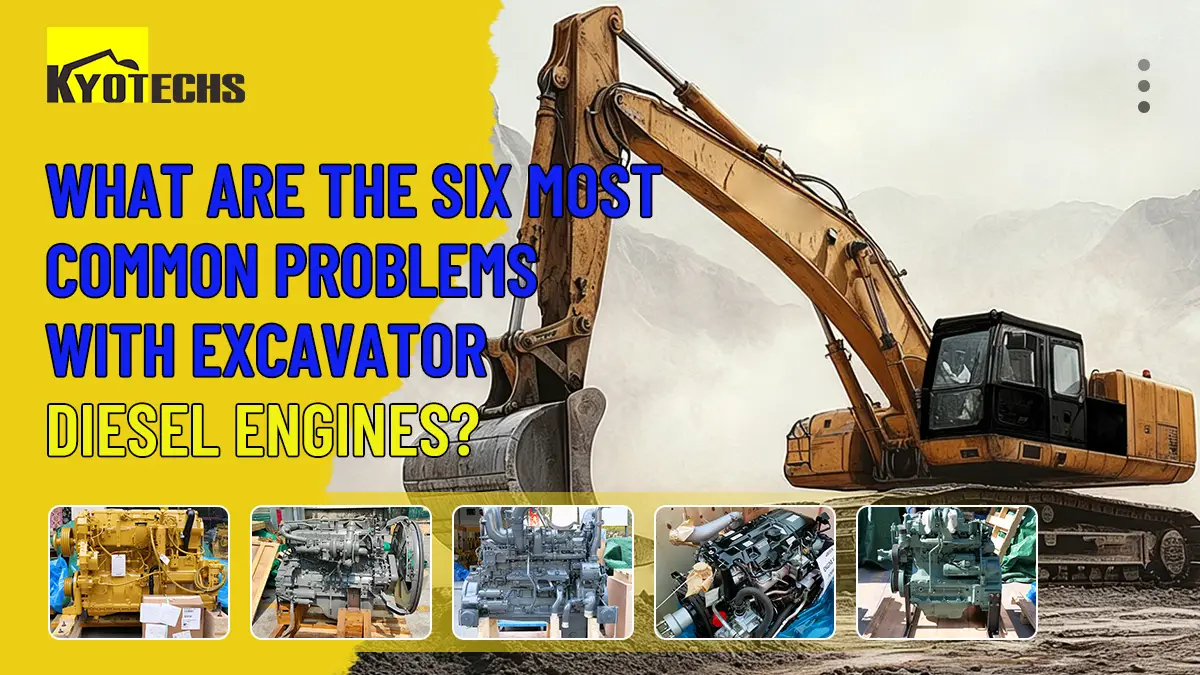
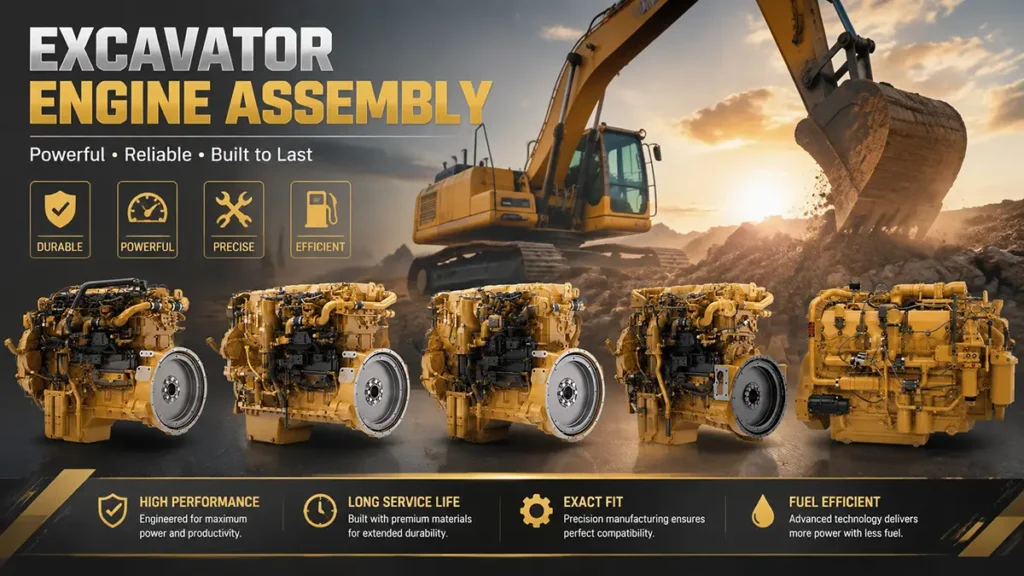
Excavators are the workhorses of construction, mining, and infrastructure projects, and their diesel engines are the “heart” that keeps them running. However, operating in harsh environments—high temperatures, heavy loads, dust, and frequent start-stop cycles—makes excavator diesel engines prone to malfunctions. To help you minimize disruptions and maintain optimal performance, we’ve compiled the six most common problems with excavator diesel engines, along with their causes, symptoms, and practical solutions.
Here are six of the most common diesel engine malfunctions
1. Engine overheating
Engine overheating is one of the most prevalent issues plaguing excavator diesel engines, especially during long hours of heavy-duty operation or in hot climates.
Causes: The main reasons for overheating include insufficient coolant levels due to leaks or evaporation, clogged radiators (from dust, dirt, or debris common in construction sites), faulty thermostats that fail to regulate coolant flow, slipping fan belts that reduce cooling fan efficiency, and excessive heat load from prolonged high-load work. Additionally, using low-quality coolant or neglecting to flush the cooling system can lead to scale buildup, further reducing heat dissipation efficiency.
Symptoms: Watch for warning signs such as a rising temperature gauge (exceeding the normal 80-90℃ range), boiling coolant in the radiator, reduced engine power, unusual noises, or even smoke from the engine compartment. In severe cases, the engine may shut down automatically to prevent damage.
Solutions: Regularly check coolant levels and top up with the manufacturer-recommended coolant. Clean the radiator and cooling fins regularly to remove dust and debris. Inspect the thermostat, fan belt, and water pump for proper operation—replace any faulty parts immediately. Avoid prolonged high-load operation without breaks, and flush the cooling system periodically to remove scale buildup.
2. Petroleum-related problems
Petroleum-related issues are often overlooked but can cause irreversible damage to excavator diesel engines. Engine oil acts as the “blood” of the engine, responsible for lubrication, cooling, cleaning, sealing, and rust prevention—any compromise in oil quality or quantity can lead to major failures.
Causes: Common causes include using low-quality or incorrect grade engine oil, infrequent oil changes, oil leaks, and oil contamination by fuel, coolant, or metal particles. Over time, degraded oil loses its lubricating properties, leading to increased friction and wear.
Symptoms: Signs of petroleum-related problems include increased oil consumption, blue smoke from the exhaust (indicating oil burning), unusual engine noises, oil leaks under the engine, and a drop in oil pressure. You may also notice oil discoloration.
Solutions: Use only the manufacturer-specified grade of engine oil. Follow the recommended oil change intervals. Regularly inspect for oil leaks and repair worn gaskets or seals promptly. Check oil levels daily before operation, and use oil analysis services to monitor oil quality and detect potential issues early.
3. Fuel-related problems
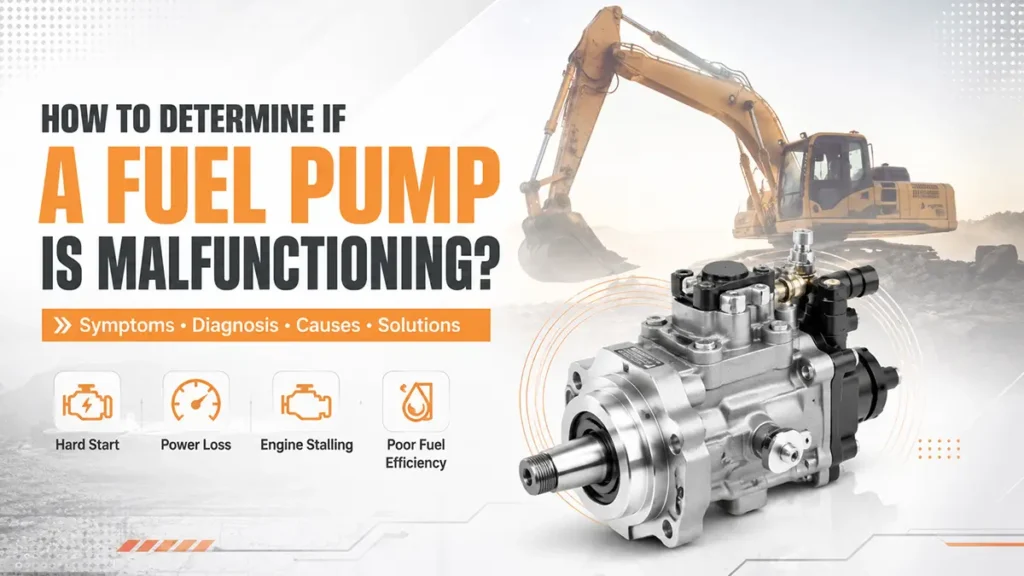
Fuel system issues are a leading cause of excavator diesel engine breakdowns, as diesel engines rely on clean, high-quality fuel to operate efficiently. Contaminated or inadequate fuel can disrupt combustion, damage fuel injectors, and reduce engine performance.
Causes: The most common causes include using low-quality or contaminated diesel, clogged fuel filters, faulty fuel injectors, fuel line leaks, and water accumulation in the fuel tank. Additionally, improper fuel storage (e.g., leaving the fuel tank uncovered) can introduce contaminants, and worn fuel pumps can reduce fuel pressure.
Symptoms: Look for symptoms such as difficulty starting the engine, rough idling, reduced power, increased fuel consumption, and misfires. In severe cases, the engine may stall unexpectedly. You may also notice fuel leaks or water in the fuel separator (indicated by a warning light).
Solutions: Use only high-quality diesel from reputable suppliers. Install and regularly replace fuel filters to prevent contaminants from reaching the engine. Drain water from the fuel separator regularly. Inspect fuel lines and connections for leaks, and replace faulty fuel injectors or pumps as needed. Store fuel in clean, sealed containers to avoid contamination.
4. Black exhaust pipe
Black smoke from the exhaust pipe is a clear indicator of incomplete fuel combustion, a common issue in excavator diesel engines that can reduce efficiency and damage components over time. Contrary to popular belief, it is not always a sign of a faulty fuel injector—many cases stem from simpler issues.
Causes: The primary cause of black smoke is an imbalance between fuel and air in the combustion chamber. This can occur due to clogged air filters (restricting air intake), faulty turbochargers (reducing air pressure), worn or dirty fuel injectors (delivering too much fuel or poor atomization), incorrect fuel injection timing, or engine overload. Low-quality fuel can also contribute to incomplete combustion.
Symptoms: The most obvious symptom is thick black smoke coming from the exhaust, especially when the engine is under load. You may also notice reduced engine power, increased fuel consumption, and rough idling. In some cases, the exhaust may have a strong, unburned fuel odor.
Solutions: Start by checking and replacing the air filter if it is clogged—this is the simplest and most common fix. Inspect the turbocharger for damage or wear and repair or replace it if needed. Clean or replace dirty fuel injectors and adjust the fuel injection timing if necessary. Avoid overloading the excavator, and use high-quality diesel to improve combustion efficiency.
5. Part failure
Excavator diesel engines consist of hundreds of moving parts, and wear and tear from harsh operating conditions can lead to component failure. Common part failures can disrupt engine operation and, if left unaddressed, cause cascading damage to other components.
Causes: Part failure is often caused by poor maintenance, prolonged high-load operation, using low-quality replacement parts, and normal wear and tear. Common failing parts include piston rings (worn or stuck), cylinder liners (scuffed or corroded), valves (bent or worn), turbochargers (damaged or seals), and gaskets (leaking). Additionally, improper assembly during maintenance can lead to premature part failure.
Symptoms: Symptoms vary depending on the failed part but may include unusual engine noises, reduced power, excessive smoke (blue, white, or black), oil or coolant leaks, and engine overheating. For example, a worn piston ring may cause blue smoke and increased oil consumption, while a faulty valve may lead to rough idling and misfires.
Solutions: Follow a regular maintenance schedule to inspect and replace worn parts before they fail. Use only genuine or high-quality replacement parts that meet the manufacturer’s specifications. Ensure proper assembly during maintenance. Address minor issues promptly to prevent them from causing major part failures—for example, fixing a small oil leak can prevent damage to the turbocharger or cylinder liners.
6. Performance issues
Performance issues are common in excavator diesel engines and often stem from underlying problems with other systems (fuel, oil, cooling, or parts). These issues can significantly reduce productivity and increase fuel consumption.
Causes: The main causes of performance issues include clogged air or fuel filters, fuel system contamination, worn or faulty fuel injectors, turbocharger failure, engine overheating, and oil degradation. Additionally, incorrect engine tuning, air intake restrictions, or exhaust blockages can reduce performance. In some cases, hydraulic system issues can also manifest as engine performance problems.
Symptoms: Signs of performance issues include slow excavator movement, reduced power under load (inability to dig through hard soil), inconsistent idle (engine fluctuates between high and low), increased fuel consumption, and frequent stalling. You may also notice that the engine takes longer to start or struggles to reach operating temperature.
Solutions: Conduct a systematic inspection of the engine’s key systems: clean or replace clogged air and fuel filters, check the fuel system for contamination, inspect the turbocharger and fuel injectors for wear or damage, and ensure the cooling system is working properly. Regularly tune the engine to maintain optimal performance, and address any hydraulic system issues that may be affecting the engine. Following a preventive maintenance schedule is the best way to avoid performance degradation.
Conclusion
Excavator diesel engine failures can usually be prevented through regular maintenance, proper operation, and attention to early warning signs. The six problems listed above—engine overheating, oil-related issues, fuel-related issues, blackened exhaust pipe, component failure, and performance problems—are the most common causes of downtime. By understanding the causes, symptoms, and solutions to these problems, you can minimize downtime, extend engine life, and ensure your excavator operates efficiently.
If you have any technical questions or would like to learn more about our products, please feel free to contact us.
FAQs
Q1: How often should I check the coolant level in my excavator’s diesel engine?
You should check the coolant level daily before starting the excavator. Additionally, inspect the cooling system for leaks weekly and flush the system every 6-12 months (or as recommended by the manufacturer) to remove scale buildup and ensure optimal heat dissipation.
Q2: Is black smoke from the exhaust always a sign of a faulty fuel injector?
No. While faulty fuel injectors can cause black smoke, the most common cause is a clogged air filter (restricting air intake) or a faulty turbocharger. Always check the air filter first before replacing fuel injectors—this can save you time and money.
Q3: What type of engine oil should I use for my excavator’s diesel engine?
Use only the engine oil specified in your excavator’s owner’s manual (e.g., CF-4 or higher grade). Avoid using low-quality or incorrect grade oil, as this can lead to poor lubrication, increased wear, and engine damage. In harsh operating conditions (e.g., high temperatures or heavy loads), consider using a synthetic oil for better performance.
Q4: How can I prevent fuel-related problems in my excavator’s diesel engine?
To prevent fuel-related problems, use high-quality diesel from reputable suppliers, regularly replace fuel filters (primary and secondary), drain water from the fuel separator weekly, and store fuel in clean, sealed containers. Avoid refueling in dusty or dirty environments, and inspect fuel lines for leaks regularly.
Q5: What should I do if my excavator’s engine overheats?
If your engine overheats, immediately stop the excavator and turn off the engine to prevent further damage. Allow the engine to cool down completely (do not open the radiator cap while it’s hot). Once cool, check the coolant level, inspect for leaks, and clean the radiator if it’s clogged. If the problem persists, inspect the thermostat, fan belt, and water pump for faults.