Blog
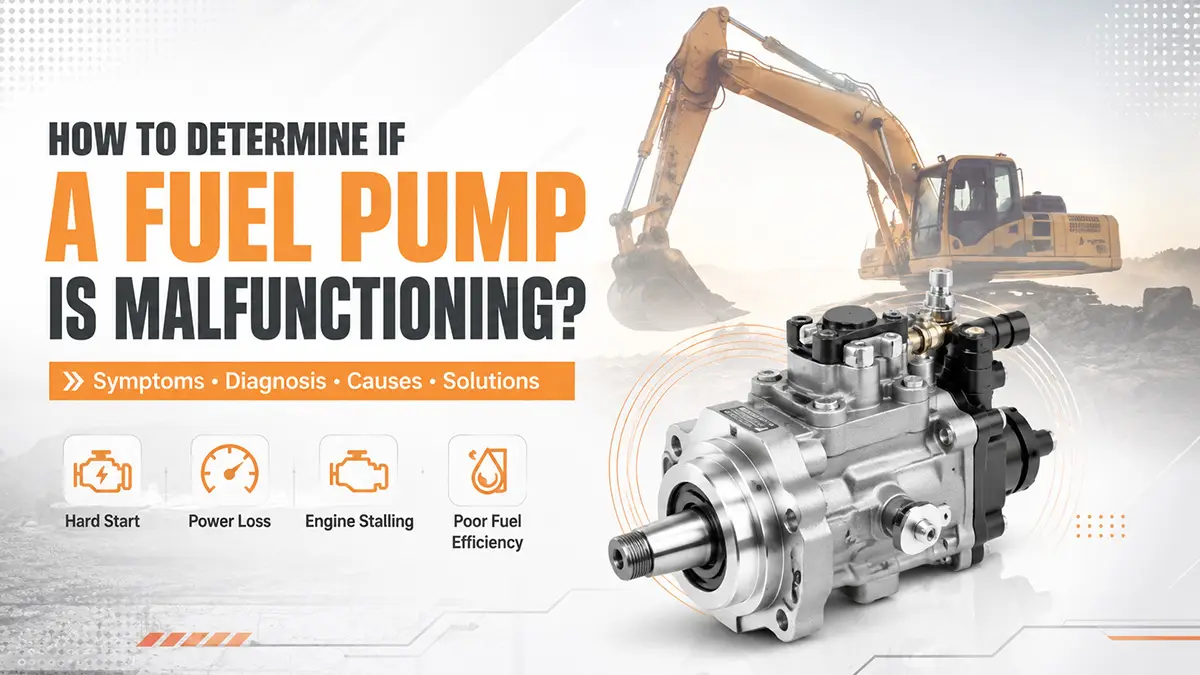
A fuel pump is an essential part of an excavator’s diesel fuel system. It delivers fuel from the tank to the engine and ensures that the engine receives sufficient fuel for normal operation. When the fuel pump fails, it can cause starting problems, power loss, engine stalling, and poor performance.
What Does a Fuel Pump Do in an Excavator?
The fuel pump transfers diesel fuel from the fuel tank to the fuel injection system. It works together with the fuel filter, fuel lines, injectors, and engine control system to provide stable fuel flow and pressure.
A properly functioning fuel pump is essential for reliable engine starting, stable operation, and sufficient power under load.
What Are the Common Symptoms of a Bad Fuel Pump?
The most common symptoms include:
- Hard starting: The engine takes longer to start or requires several attempts.
- Engine power loss: The excavator lacks power, especially under heavy loads.
- Unexpected engine stalling: Insufficient fuel delivery can cause the engine to stop.
- Rough engine operation: Unstable fuel delivery may cause vibration or irregular RPM.
- Poor acceleration: The engine responds slowly when the throttle is increased.
- Abnormal fuel consumption: Fuel-system problems may reduce combustion efficiency.
- Unusual pump noise: Whining, grinding, or buzzing can indicate pump wear or damage.
However, these symptoms can also be caused by a clogged fuel filter, contaminated fuel, damaged fuel lines, injectors, or electrical problems.
How Can You Check if a Fuel Pump Is Malfunctioning?
A systematic inspection is recommended:
- Check the fuel level and quality for contamination, water, or dirt.
- Inspect the fuel filter and replace it if it is clogged.
- Check fuel lines for leaks, blockages, cracks, or air entering the system.
- Inspect electrical connections on electrically operated fuel pumps.
- Measure fuel pressure and flow and compare them with manufacturer specifications.
- Check diagnostic trouble codes using appropriate diagnostic equipment.
- Confirm the results before replacing the fuel pump.
Proper testing helps distinguish a genuine fuel pump failure from other fuel-system problems.
What Causes a Fuel Pump to Fail?
Several factors can shorten fuel pump life:
- Contaminated or poor-quality diesel
- Clogged fuel filters
- Operating frequently with a very low fuel level
- Electrical problems
- Long-term wear and high operating hours
- Improper installation
Regular maintenance and clean fuel can significantly reduce the risk of premature fuel pump failure.
Conclusion
A malfunctioning excavator fuel pump can cause hard starting, power loss, rough running, stalling, and poor acceleration. However, these symptoms do not always mean that the fuel pump itself is defective.
The best approach is to inspect the entire fuel system, including the fuel, filter, fuel lines, electrical connections, pressure, and flow. If testing confirms that the pump cannot meet the required specifications, replacing it with a compatible, high-quality fuel pump can restore proper engine performance.
If you encounter any technical problems or would like to learn more about our products, please feel free to contact us.
FAQs
Q1: What are the most common signs of a bad excavator fuel pump?
Common symptoms include difficult starting, engine power loss, rough running, unexpected stalling, poor acceleration, abnormal fuel consumption, and unusual fuel pump noise.
Q2: Can a clogged fuel filter cause the same symptoms as a bad fuel pump?
Yes. A severely clogged fuel filter can restrict fuel flow and cause hard starting, power loss, and engine stalling. Always inspect the fuel filter before replacing the fuel pump.
Q3: How do I test an excavator fuel pump?
A proper fuel pump diagnosis may include checking fuel quality, inspecting the fuel filter and fuel lines, checking electrical connections, measuring fuel pressure and flow, and reading diagnostic trouble codes.
Q4: Can low fuel pressure damage an excavator engine?
Insufficient fuel pressure can cause poor engine performance and improper fuel delivery. Depending on the engine and fuel-system design, continued operation with a fuel-system fault may contribute to additional component problems.
Q5: Should I replace the fuel pump immediately if my excavator is hard to start?
Not necessarily. Hard starting can be caused by the fuel pump, but it can also result from a clogged fuel filter, air in the fuel system, fuel contamination, injector problems, electrical faults, or other engine issues. Diagnosis should be performed before replacement.
Q6: How can I prevent excavator fuel pump failure?
Use clean diesel fuel, replace fuel filters on schedule, keep the fuel system clean, avoid prolonged operation with an extremely low fuel level, inspect fuel lines regularly, and address fuel-system problems as soon as symptoms appear.