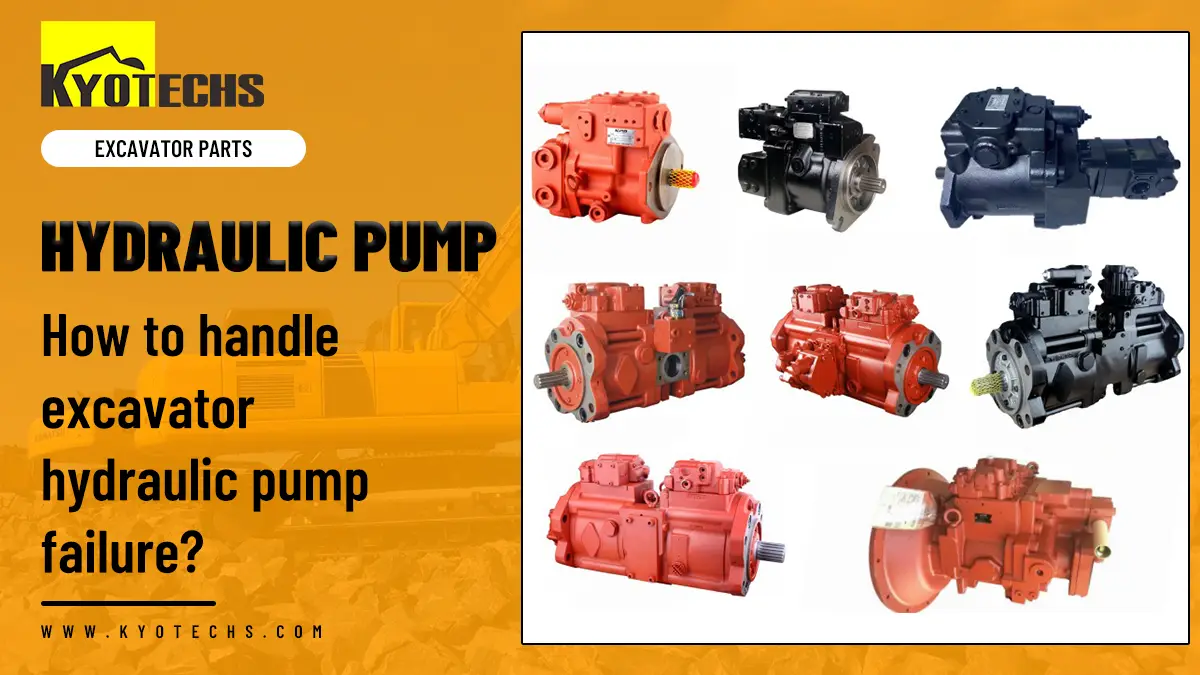
As the core power component of an excavator’s hydraulic system, the hydraulic pump is often called the “heart” of heavy construction equipment. It is responsible for generating consistent hydraulic pressure and flow to drive all critical excavator movements — including arm lifting, bucket rotation, boom extension, and chassis travel.
What is hydraulic pump failure?
Hydraulic pump failure refers to a condition where the excavator’s hydraulic pump (most commonly a variable displacement piston pump, the standard for modern mid-to-large excavators) loses its ability to produce sufficient hydraulic flow, maintain stable operating pressure, or function without excessive wear and damage. Unlike minor hydraulic system leaks or valve malfunctions, pump failure is a mechanical breakdown of the pump’s internal components — such as pistons, cylinder blocks, swash plates, bearings, or seal kits — that renders the pump unable to perform its core function.
Common causes of hydraulic pump failure
Most excavator hydraulic pump failures are avoidable and stem from poor maintenance, improper operation, or environmental factors — not just natural wear and tear. Below are the most frequent root causes of premature hydraulic pump failure:
- Hydraulic fluid contamination: Dust, dirt, metal shavings, water, and debris can enter the hydraulic system via damaged seals, open filler caps, or dirty refilling tools. Contaminants act as abrasives, scratching and scoring the pump’s precision internal components (pistons, cylinder walls, and valve plates), leading to irreversible wear and pressure loss over time.
- Low or degraded hydraulic fluid: Insufficient fluid levels starve the pump of lubrication and cooling, causing dry friction and overheating. Using the wrong type of hydraulic oil, or failing to replace old, oxidized fluid (which loses its lubricating and anti-wear properties), also accelerates component damage. Fluid degradation is common in high-temperature construction environments or with infrequent oil changes.
- Cavitation and aeration: Cavitation occurs when air bubbles form in the hydraulic fluid due to a clogged suction filter, collapsed suction hose, or low fluid levels. When these bubbles burst inside the pump, they create tiny shockwaves that erode metal surfaces and damage internal parts. Aeration (excess air mixed into fluid) causes inconsistent pressure, noisy operation, and premature wear.
- Overloading and improper operation: Running the excavator at maximum load for extended periods, forcing movements against heavy resistance, or revving the engine excessively without proper load distribution puts extreme stress on the hydraulic pump. Overloading exceeds the pump’s designed pressure and flow limits, leading to bent components, seized bearings, and seal failure.
- Lack of routine maintenance: Skipping scheduled filter changes, ignoring seal inspections, and failing to flush the hydraulic system regularly allows contaminants to build up and small issues to escalate into full pump failure. Neglected maintenance is the top avoidable cause of costly pump breakdowns.
- Worn or damaged auxiliary components: Faulty relief valves, clogged filters, or damaged hydraulic hoses can cause pressure spikes in the system, directly damaging the pump. A malfunctioning cooling system that leads to excessive hydraulic fluid temperatures (above 80°C/176°F) also weakens pump components and accelerates wear.
Signs of possible hydraulic pump failure
Hydraulic pump failure rarely happens suddenly; there are clear warning signs that appear weeks or even months before a complete breakdown. Watch for these red flags during daily excavator operation:
- Slow or weak machine movements: The most obvious sign is reduced performance — the boom, arm, or bucket moves sluggishly, even at full engine throttle. The excavator may struggle to lift heavy loads or fail to maintain consistent power during digging operations.
- Unusual noise from the hydraulic pump: A healthy hydraulic pump runs quietly with a low hum. A failing pump will produce loud grinding, squealing, knocking, or rattling noises, especially under load. These sounds indicate damaged bearings, worn pistons, or cavitation inside the pump housing.
- Excessive hydraulic fluid overheating: If the hydraulic oil temperature rises rapidly and stays above the normal operating range (50-70°C/122-158°F), the pump is likely working too hard due to internal wear or blockages. Overheating often accompanies a burning oil smell and reduced system efficiency.
- Visible hydraulic leaks around the pump: Fluid leaks from the pump’s seal kits, input shaft, or housing are a clear sign of damaged seals or cracked components. Even small leaks can lead to low fluid levels and accelerated pump damage if left unaddressed.
- Inconsistent hydraulic pressure: The excavator’s movements may jerk or stall unexpectedly, with sudden drops in power. This pressure instability is caused by worn internal parts that cannot maintain steady flow.
- Increased fuel consumption: A failing pump forces the excavator’s engine to work harder to compensate for lost hydraulic power, leading to noticeably higher fuel usage during normal operation.
How to prevent hydraulic pump failure?
Prevention is far more cost-effective than repairing or replacing a failed hydraulic pump. By following a consistent maintenance and operation routine, you can extend the lifespan of your excavator’s hydraulic pump to 8,000-12,000 operating hours (or longer) and avoid unexpected failures. Follow these proven prevention strategies:
1. Use only high-quality, manufacturer-recommended hydraulic fluid
Always check your excavator’s operator manual for the specified hydraulic oil grade and viscosity. Never mix different oil types, and avoid cheap, low-quality fluid that lacks anti-wear and anti-oxidation additives.
2. Maintain proper fluid levels and perform regular oil changes
Check hydraulic fluid levels daily before starting the machine, and top off with clean fluid only. Follow the manufacturer’s schedule for full fluid flushes and filter replacements — typically every 2,000-3,000 operating hours, or more frequently in dusty, high-temperature job sites.
3. Keep the entire hydraulic system clean
Seal all hydraulic system openings when not in use, use clean funnels and containers for refilling, and replace clogged suction and return filters immediately. Regularly inspect and clean the hydraulic tank to remove sediment and debris.
4. Avoid overloading and abusive operation
Train operators to use the excavator within its load limits, avoid forcing movements against immovable objects, and reduce engine speed when not under heavy load. Discourage rough operation that puts unnecessary stress on the hydraulic system.
5. Inspect for cavitation and leaks routinely
Check suction hoses for cracks or collapses, ensure filters are not clogged, and fix even small fluid leaks immediately. Monitor hydraulic oil temperature during operation and address overheating right away by checking the cooling system.
6. Schedule professional periodic inspections
Hire a certified hydraulic technician to inspect the pump, valves, and hoses every 6 months. Professional inspections can catch early wear, misalignment, or pressure issues before they turn into full failure.
Conclusion
The hydraulic pump is the lifeblood of your excavator, and investing time in daily checks, scheduled servicing, and responsible operation will pay off drastically in reduced downtime and lower repair costs.
If you notice any of the early warning signs of pump failure — slow movements, unusual noise, overheating, or leaks — do not delay inspection.
If you are interested in this or would like to learn more about our products, please feel free to contact us.