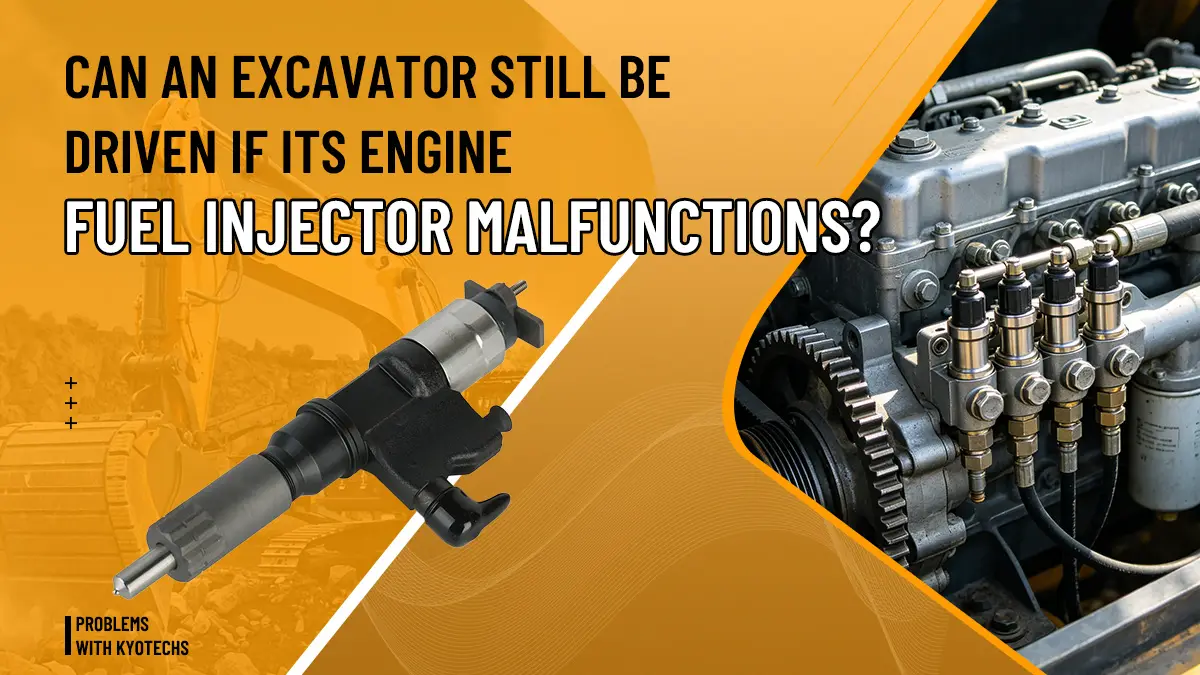
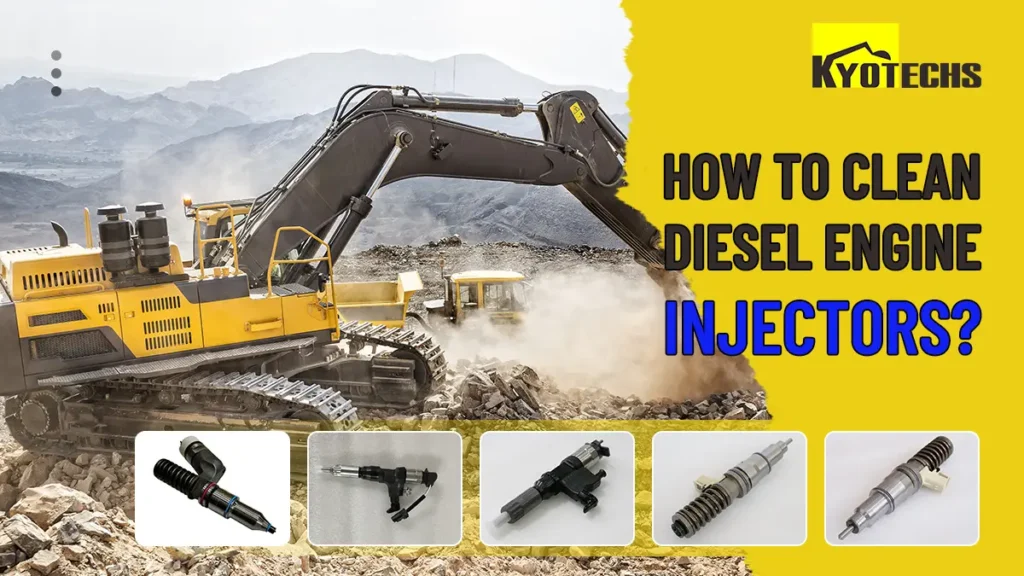
The fuel injector is the “heart” of an excavator’s diesel engine, responsible for delivering a precise amount of fuel at high pressure to the combustion chamber to ensure efficient combustion and stable power output. A common emergency issue with fuel injectors is: if the excavator engine’s fuel injectors malfunction, can it still be driven? In short: it depends on the severity of the malfunction—a minor malfunction might allow for short distances at low speeds, but a serious malfunction would make driving extremely dangerous.
Can I still drive if my fuel injector is faulty?
Driving an excavator with a faulty fuel injector is not recommended in most cases, but the feasibility depends on the malfunction’s severity and type:
- Minor malfunctions (e.g., mild clogging, slight spray irregularities): If the excavator only shows slight power loss, no obvious engine(vibration), and normal exhaust color, you may drive it a short distance (e.g., moving from the work site to a nearby repair area) at low speed. However, this is a temporary measure — continuing to work will worsen the injector damage and lead to more costly repairs.
- Severe malfunctions (e.g., injector leakage, needle valve sticking, complete failure): Driving is strictly prohibited. A severely faulty injector can cause the engine to misfire, stall unexpectedly, or even damage critical components like the cylinder liner or piston. For excavators working on slopes or in construction pits, sudden stalling can also pose serious safety hazards.
Signs of a faulty fuel injector
Early detection of injector faults can help you avoid major engine damage. Here are the most common signs of a faulty excavator fuel injector (backed by industry experience and technical data):
1. Difficult engine startup or extended cranking
The injector fails to deliver fuel properly, making it hard to start the engine — especially in cold weather. You may hear the engine turning over but not catching.
2. Engine vibration or rough idling
Uneven fuel injection causes the engine to shake at idle, with a noticeable “rough” sound. This is often caused by irregular spray patterns or partial injector blockage.
3. Excessive exhaust smoke
- Black smoke: Indicates incomplete combustion due to poor fuel atomization or excessive fuel delivery.
- White smoke: Signals fuel leakage (dribbling) or water contamination in the fuel, especially if the smoke persists after the engine warms up.
- Blue smoke: Rare for injector issues, but may occur if oil enters the combustion chamber due to injector seal failure.
4. Reduced engine power and slow response
The excavator feels “weak”—it struggles to dig hard soil, lift heavy loads, or accelerate, directly affecting work efficiency (a critical concern for construction deadlines).
5. Increased fuel consumption
A sudden 10-15% rise in fuel usage is a clear sign—faulty injectors waste fuel by failing to atomize it properly, meaning more diesel is burned for less work.
6. Unusual engine noises
Knocking, pinging, or ticking sounds from the engine bay, caused by improper fuel timing or incomplete combustion.
7. Fuel odor or visible leaks
A strong diesel smell near the engine or visible fuel leaks around the injector indicate a serious seal or valve failure.
What are the effects of a faulty fuel injector?
Ignoring a faulty fuel injector doesn’t just affect performance — it can cause cascading damage to your excavator, increasing repair costs and downtime. Below are the key impacts:
Adverse effects on engine performance
The fuel injector’s primary role is to ensure precise fuel delivery and atomization. When it malfunctions:
- Power loss and uneven operation: The engine can’t generate full power, leading to slow digging, weak lifting, and inconsistent hydraulic performance — a major issue for time-sensitive construction projects.
- Engine misfires and stalling: A completely failed injector will cause a cylinder to stop working (missfire), leading to severe vibration. In extreme cases, the engine may stall unexpectedly, risking operator safety and equipment damage, especially in high-risk work areas like slopes or trenches.
- Overheating: Incomplete combustion increases engine temperature, putting extra stress on cooling systems and increasing the risk of engine overheating—a leading cause of premature engine wear.
Reduced fuel efficiency
Fuel is one of the largest operating costs for excavators. A faulty injector wastes fuel in two ways:
- Poor atomization: Fuel droplets are too large to burn completely, so much of the diesel is wasted as exhaust.
- Irregular fuel delivery: The injector may deliver too much fuel (flooding the cylinder) or too little (causing lean combustion), both of which reduce efficiency.
Other risky components
A faulty fuel injector can damage other critical engine components, turning a minor repair into a major overhaul:
- Cylinder liners and pistons: Incomplete combustion creates soot and carbon deposits, which scratch and wear cylinder walls and piston rings. Leaking injectors can also cause “cylinder washing”—fuel dilutes the engine oil, reducing lubrication and accelerating wear.
- Catalytic converter and DPF (Diesel Particulate Filter): Unburned fuel clogs the DPF and damages the catalytic converter, leading to expensive replacements (often costing thousands of dollars).
- Engine oil contamination: Fuel leaks can dilute the engine oil, reducing its viscosity and lubricating ability. This increases friction between moving parts, leading to premature engine failure.
- Injector pump damage: A faulty injector can cause pressure fluctuations in the fuel system, straining the injector pump and shortening its lifespan.
What should I do if I suspect a faulty fuel injector?
If you notice any of the signs above, follow these steps to minimize damage and ensure safety:
1. Stop operation immediately
If the excavator is shaking violently, emitting thick smoke, or losing power rapidly, shut down the engine right away. Continuing to drive will worsen the damage and risk accidents.
2. Perform a visual inspection
Check for visible fuel leaks around the injectors, loose connections, or signs of carbon buildup on the injector nozzles. Also, inspect the fuel filter — a clogged filter can mimic injector issues.
3. Check fuel quality
Poor-quality diesel or water-contaminated fuel is a common cause of injector failure. Test the fuel for water using a water separator and ensure you’re using the correct diesel grade for your excavator.
4. Avoid temporary fixes
Adding “fuel injector cleaners” may mask minor clogs but won’t fix mechanical damage. These products can also damage other fuel system components if overused.
Should you repair or replace the faulty injector?
The decision to repair or replace a faulty fuel injector depends on the extent of the damage, cost, and long-term reliability. Here’s a detailed comparison to help you decide:
When to repair
Repair is a cost-effective option for minor, non-structural damage:
- Mild clogging or carbon buildup: Professional cleaning (e.g., ultrasonic cleaning) can restore injector performance at a fraction of the cost of replacement.
- Minor seal leaks: Replacing worn seals or O-rings can fix leaks without replacing the entire injector.
- Reconditioning: For high-end injectors, professional remanufacturing can restore performance to OEM specifications at 50-70% of the cost of a new injector.
Advantages of repair: Lower upfront cost, faster turnaround (if parts are available), and reduced waste.
When to replace
Replacement is necessary for severe damage or older injectors:
- Severe wear or damage: Worn nozzles, cracked injector bodies, or stuck needle valves can’t be repaired reliably—replacement is the only way to ensure consistent performance.
- Electrical failure: Faulty injector coils or wiring often require full replacement, as repairs are not cost-effective.
- Age and mileage: If the injectors are near the end of their service life (typically 10,000-15,000 operating hours), replacing them prevents future breakdowns and ensures optimal performance.
- Sealed injectors: Some manufacturers design injectors with sealed components, making them impossible to repair—replacement is the only option.
Advantages of replacement: Restores factory performance, extends service life, and reduces the risk of secondary failures.
Conclusion
To answer the core question: Excavators should not continue to operate with malfunctioning fuel injectors, except for short, low-speed trips caused by minor blockages. Even minor injector problems can quickly worsen, leading to decreased performance, increased fuel costs, and even serious engine damage. Fuel injectors are critical precision components of excavator engines, and proactive maintenance (e.g., regular checks every 500-1000 hours of operation) is the best way to prevent failure.
If you have any technical questions or would like to learn more about our products, please feel free to contact us.
FAQs
Q1: Can I clean a faulty fuel injector myself?
A1: It’s not recommended. DIY cleaning (e.g., using store-bought cleaners) is only effective for minor clogs and can damage injectors if done incorrectly. Professional cleaning (e.g., ultrasonic cleaning) uses specialized equipment to remove carbon buildup without damaging the injector’s precision components. For mechanical damage (e.g., worn nozzles), cleaning won’t fix the issue—replacement is needed.
Q2: How long does it take to replace an excavator fuel injector?
A2: Replacement time varies based on the excavator model and the number of injectors. Typically, replacing one injector takes 1-2 hours, while replacing all injectors (e.g., 4-6 cylinders) takes 3-6 hours. Complex models with hard-to-access injectors may take longer. A professional technician can provide a more accurate timeline based on your specific excavator.
Q3: What causes fuel injector failure in excavators?
A3: The most common causes are: Fuel contamination (water, dirt, or impurities) is responsible for 80% of injector failures. Poor fuel quality (low-grade diesel or contaminated fuel). Lack of maintenance (infrequent fuel filter replacement, irregular inspections). Wear and tear (over time, injector nozzles and seals degrade from high pressure and heat). Electrical issues (faulty wiring or injector coils in electronic injectors).
Q4: Will a faulty fuel injector trigger a warning light?
A4: Yes, most modern excavators (equipped with ECU systems) will trigger a warning light if the injector is faulty. The ECU detects irregular fuel delivery, misfires, or pressure fluctuations and illuminates the check engine light. Some models may also display specific fault codes (e.g., Komatsu CA351 for injector drive circuit errors) to help technicians diagnose the issue quickly.
Q5: Can I use aftermarket injectors instead of OEM?
A5: Yes, high-quality aftermarket injectors are a cost-effective alternative to OEM injectors, as long as they are compatible with your excavator’s engine model. However, OEM injectors offer better reliability and compatibility, making them a better choice for newer or high-performance excavators. Always choose injectors from reputable brands to avoid premature failure.