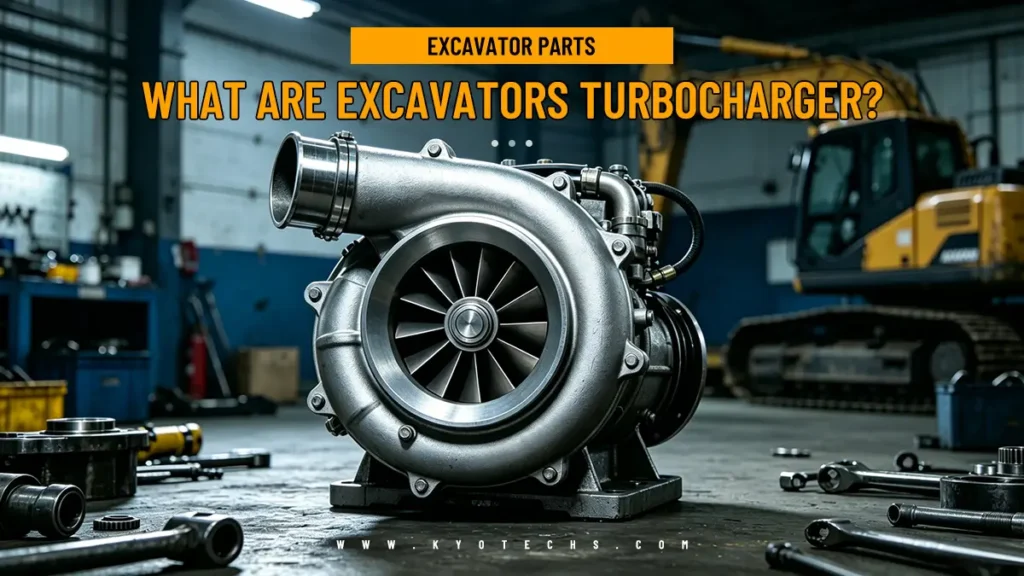
Turbochargers are key components for improving engine performance, efficiency, and power output by forcing more air into the combustion chamber. Most turbocharger failures are not manufacturing defects, but rather caused by external factors such as poor lubrication, oil contamination, or damage from foreign objects. Below are some common problems we encounter; let’s take a look.
Five Common Turbocharger Problems
1. Insufficient Lubrication
Insufficient lubrication is one of the most common and destructive turbocharger problems. Turbochargers rely on a continuous supply of clean, high-quality oil to form a thin hydrodynamic oil film that separates the high-speed rotating shaft from the bearings. Without adequate lubrication, the turbo’s internal components wear rapidly, leading to irreversible damage.
Causes: Low engine oil levels, a faulty oil pump, clogged oil lines, delayed oil changes, or improper warm-up/cool-down habits (e.g., revving a cold engine or shutting down immediately after high-speed driving). Cold starts can leave the turbo starved of oil for several seconds, while sudden shutdowns stop oil circulation, leaving residual heat to damage the oil film.
Symptoms: Whining or grinding noises from the turbocharger, reduced engine power, increased oil consumption, and blue smoke from the exhaust (indicating oil leakage due to worn seals). In severe cases, the turbo shaft may seize entirely.
2. Contaminated Oil
Contaminated oil is another major culprit behind turbocharger failure. Even small particles in the oil can scratch or score the turbo’s precision bearings and shaft, as the turbo operates at extremely high speeds and tolerances. Contaminants act like sandpaper, accelerating wear and breaking down the protective oil film.
Causes: A clogged or low-quality oil filter, engine wear (resulting in metal swarf in the oil), accidental contamination during maintenance, a malfunctioning oil filter bypass valve, or using the wrong type of oil.
Symptoms: Reduced turbo response, engine hesitation, increased exhaust smoke, and unusual vibrations. Over time, contaminated oil can lead to bearing failure and complete turbo breakdown.
3. Oil Oxidation and Sludge Buildup
Oil oxidation and sludge buildup occur when engine oil degrades under the extreme heat generated by the turbocharger. The turbo’s high operating temperature causes oil to undergo thermal-oxidative decomposition, forming sludge—a thick, sticky substance that clogs oil passages and reduces lubrication efficiency.
Causes: Using low-quality mineral oil (instead of full synthetic oil), extended oil change intervals, frequent short trips (where the turbo never reaches optimal operating temperature), and “heat soakback”—the phenomenon where residual exhaust heat bakes stagnant oil in the turbo after shutdown.
Symptoms: Reduced engine power, delayed turbo spool-up, increased fuel consumption, and oil leaks. Sludge can block oil lines, leading to lubrication failure, and can also stick to turbo blades, disrupting balance and causing vibrations.
4. Damage from Foreign Objects
Foreign object damage is one of the main causes of turbocharger failure. The compressor impeller and turbine impeller of a turbocharger are very fragile; even tiny fragments can cause serious damage under high-speed impact, leading to imbalance and component failure.
Causes: A dirty, worn, or damaged air filter (the most common culprit), cracked or loose intake/exhaust pipes (allowing unfiltered air and debris to enter), gasket fragments, or tools/parts during maintenance.
Symptoms: Loud rattling or grinding noises, reduced boost pressure, poor acceleration, and visible damage to the turbo blades (if inspected). In worst-case scenarios, FOD can destroy the turbo entirely and even damage the engine or intercooler.
5. Excessive Operating Temperature
Turbochargers operate in high-temperature environments, but excessive heat can degrade components, damage oil, and cause permanent failure. The turbo’s turbine end is exposed to exhaust gases as hot as 1000°C, and any issue that disrupts heat dissipation can push temperatures beyond safe limits.
Causes: A faulty intercooler (which cools compressed air before it enters the engine), clogged or damaged exhaust systems, malfunctioning wastegate (failing to regulate exhaust flow), low coolant levels, or prolonged high-load driving (e.g., towing or racing) without proper cooling periods. Heat soakback after sudden shutdowns also contributes to excessive temperature buildup in the turbo’s internal components.
Symptoms: Reduced turbo performance, glowing exhaust manifold, oil coking (hard carbon deposits), and premature wear of seals and bearings. Excessive heat can also warp the turbo housing or damage the turbine wheel.
How to Maintain and Care for Your Turbocharger
Preventing turbocharger problems is far more cost-effective than repairing or replacing a failed unit. By following these maintenance tips, you can extend your turbo’s lifespan to match the engine’s (100,000 to 150,000+ miles with proper care).
1. Prioritize High-Quality Lubrication
Use fully synthetic motor oil that meets the vehicle manufacturer’s specifications. Compared to mineral or semi-synthetic oils, fully synthetic oils offer superior high-temperature oxidation resistance, reducing sludge and carbon buildup. If the vehicle has been parked for more than a month, run the engine for a few seconds before starting (with the ignition off) to build up oil pressure and avoid dry friction.
2. Practice Proper Warm-Up and Cool-Down
After starting the engine, let it idle for 30 to 60 seconds (longer in cold weather) to allow oil to circulate to the turbocharger. Never rev a cold engine—this forces the turbo to spin at high speeds without adequate lubrication. After high-speed driving or heavy load, idle the engine for 1 to 2 minutes before shutting down. This allows the turbo to cool gradually and ensures oil continues to circulate, preventing heat soakback and oil coking.
3. Keep the Air and Oil Systems Clean
Regularly inspect and replace the air filter (every 10,000 miles or as recommended) to prevent debris from entering the turbocharger. Check intake and exhaust pipes for cracks, loose connections, or leaks, and replace damaged gaskets to ensure a tight seal. Clean or replace oil inlet pipes periodically to remove sludge or carbon buildup that could restrict oil flow.
4. Monitor Coolant and Exhaust Systems
Check coolant levels regularly and ensure the cooling system is in good condition—this helps regulate the turbo’s temperature and prevent overheating. Inspect the intercooler for clogs or damage, as a faulty intercooler can increase intake air temperature and strain the turbo. Maintain the exhaust system, including the wastegate, to ensure proper exhaust flow and pressure regulation.
5. Avoid Harsh Driving Habits
Avoid prolonged high-load driving without breaks, as this increases turbo temperature and stress. Refrain from “flooring” the accelerator immediately after starting, and avoid sudden deceleration or shutdowns after intense driving.
6. Conduct Regular Inspections
Have your turbocharger inspected by a professional every 20,000 miles. A technician can check for oil leaks, bearing wear, blade damage, and sludge buildup. If you notice any symptoms of turbo trouble, address the issue immediately to prevent further damage.
Conclusion
Turbochargers are components that require proper maintenance to operate reliably. Common everyday problems—insufficient lubrication, oil contamination, oil oxidation and sludge buildup, foreign object damage, and overheating—are almost entirely preventable through consistent maintenance. Using high-quality engine oil, developing proper warm-up/cool-down habits, keeping the system clean, and avoiding aggressive driving can maximize turbocharger life and ensure efficient engine operation.
If you have any questions, technical concerns, or would like to learn more about our products, please feel free to contact us.
FAQs
Q1: How long does a turbocharger last with proper maintenance?
With proper maintenance, a turbocharger can last the entire lifespan of the engine—typically 100,000 to 150,000+ miles. Poor maintenance (e.g., delayed oil changes, using low-quality oil) can drastically shorten this to 50,000 miles or less.
Q2: Is synthetic oil necessary for a turbocharged engine?
Yes, synthetic oil is highly recommended. Turbochargers operate at extreme temperatures and speeds, and synthetic oil resists oxidation, coking, and sludge formation better than mineral oil. It also maintains its viscosity and lubricating properties under high heat, protecting the turbo’s internal components.
Q3: Why do I need to idle my engine before shutting down?
Idling after high-load driving allows the turbocharger to cool down gradually. When you shut down the engine immediately, the oil pump stops working, and residual heat from the exhaust bakes the stagnant oil in the turbo, causing coking and sludge buildup. Idling for 1-2 minutes ensures oil continues to circulate and dissipate heat.
Q4: What does blue or black smoke from the exhaust indicate?
Blue smoke usually means oil is burning, often due to worn turbo seals (caused by insufficient lubrication or sludge buildup). Black smoke indicates an imbalance in the air-fuel mixture—for gas engines, this is often a rich fuel condition; for diesel engines, it may mean the turbo is failing to supply enough air.
Q5: Can a faulty turbocharger damage my engine?
Yes. A failing turbocharger can cause oil leaks, which can lead to engine oil starvation. Foreign object damage or turbo component failure can also send debris into the engine or exhaust system, causing severe engine damage. Additionally, reduced boost pressure can lead to poor fuel combustion and increased carbon buildup in the engine.
Q6: How can I tell if my turbocharger is failing?
Common signs of a failing turbo include reduced engine power and acceleration, unusual whining/grinding noises, excessive exhaust smoke (blue or black), increased oil consumption, and delayed turbo spool-up (turbo lag). If you notice any of these symptoms, have your turbo inspected by a professional immediately.