Blog
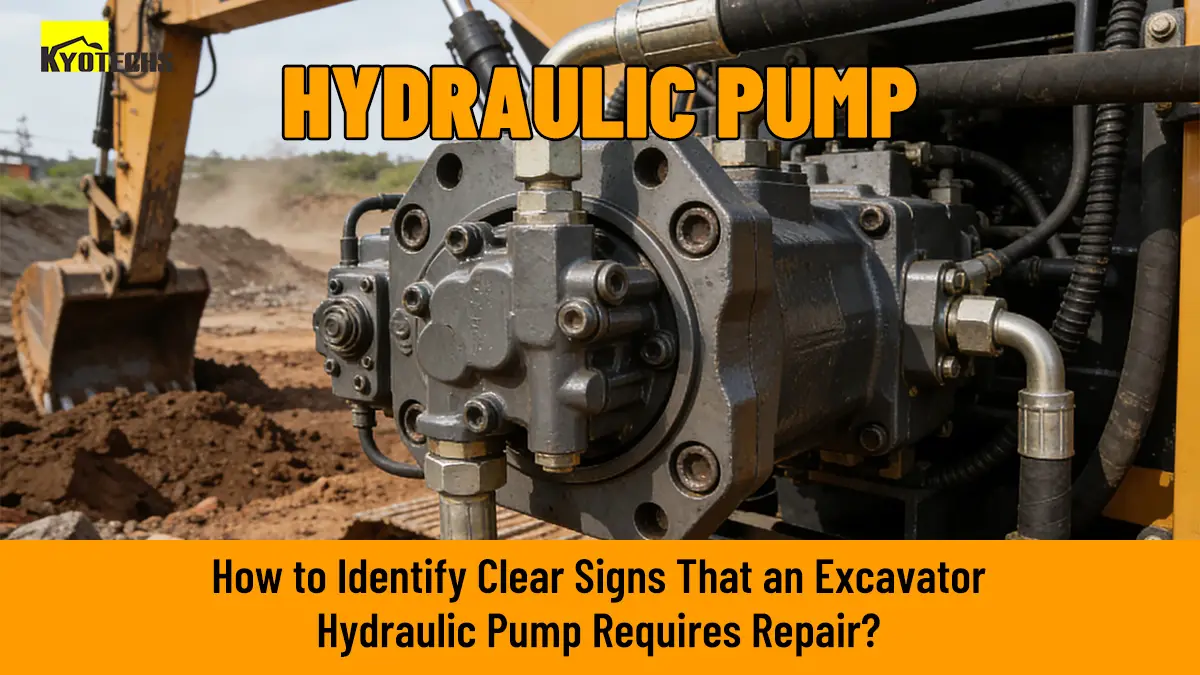
How to Identify Clear Signs That an Excavator Hydraulic Pump Requires Repair?
As the core power component of any excavator’s hydraulic system, the hydraulic pump is tasked with generating consistent pressure and fluid flow to drive all critical machine movements — from lifting the boom and curling the bucket to rotating the cab and propelling the tracks.
Abnormal Noises During Operation
A healthy, well-functioning excavator hydraulic pump runs with a steady, low, consistent hum — no sudden squeals, knocks, or rattles. Never dismiss these noises as routine wear and tear, as they signal active damage that will worsen rapidly with continued use.
Common abnormal pump noises include high-pitched whining or screeching, deep knocking or thudding, metal grinding, and loose rattling. High-pitched whining almost always points to cavitation, a condition where air bubbles form and burst inside the hydraulic fluid, typically caused by clogged suction filters, low hydraulic fluid levels, or a cracked/damaged suction line. Deep knocking or thudding sounds indicate severe internal wear, such as worn piston shoes, damaged bearings, or loose internal components striking the pump housing. Grinding noises confirm metal-on-metal contact from failed bearings or severely worn internal parts, which can lead to full pump seizure in a short time.
Slow or Weak System Performance
Sluggish, unresponsive, or low-power hydraulic movements are one of the most common symptoms of a failing hydraulic pump, as the pump can no longer generate the consistent flow and pressure needed to power the excavator’s functions. Over time, internal seals, pistons, swash plates, and other critical components wear down, reducing the pump’s efficiency and robbing the machine of its full operating power.
Overheating of Hydraulic Fluid
Normal operating temperature for excavator hydraulic fluid ranges from 60°C to 80°C (140°F to 176°F) during heavy workloads; temperatures exceeding 90°C (194°F) classify as overheating, and a faulty hydraulic pump is one of the top culprits behind this issue. Hydraulic fluid overheating creates a destructive cycle: excess heat breaks down the fluid, reduces lubrication, and damages the pump, hoses, and seals further, making the problem exponentially worse.
Internal leaks and worn components inside the pump cause excessive friction, which converts hydraulic energy into wasted heat, spiking fluid temperatures quickly.
Leaks Around the Pump or Hydraulic System
Visible leaks around the hydraulic pump, mounting brackets, connecting hoses, or seal joints are an undeniable, obvious sign that the pump needs repair. Hydraulic pumps rely on tight, intact shaft seals, gaskets, and O-rings to contain pressurized fluid; wear, cracks, or degradation in these parts allow fluid to escape, leading to pressure loss, performance drops, and job site safety hazards.
External leaks are easy to identify: look for puddles of hydraulic fluid under the excavator, oily or wet spots on the pump housing, dripping fluid from hose connections, or stained components near the pump base. In some cases, internal leaks (fluid escaping within the pump with no visible external signs) may occur, which usually present as consistent pressure loss or weak performance without obvious leaks.
Unstable Operation or Pressure Fluctuations
Unstable, jerky machine operation and inconsistent hydraulic pressure are late but critical warning signs of severe hydraulic pump damage, requiring immediate shutdown and repair. When the pump’s control valves, pistons, or flow regulators are worn or damaged, it cannot maintain a steady flow of pressurized fluid, leading to erratic movements and sudden pressure spikes or drops.
Conclusion
Spotting these five key warning signs — abnormal operational noises, slow or weak hydraulic performance, overheated hydraulic fluid, visible or internal fluid leaks, and unstable operation/pressure fluctuations — can save excavator owners and fleet managers thousands of dollars in avoidable full pump replacements and minimize costly downtime. The hydraulic pump is built to withstand heavy use, but regular wear and tear from daily construction work will eventually take a toll, and early intervention is always the most cost-effective solution.
If you would like to learn more about the relevant technologies or products, please feel free to contact us.