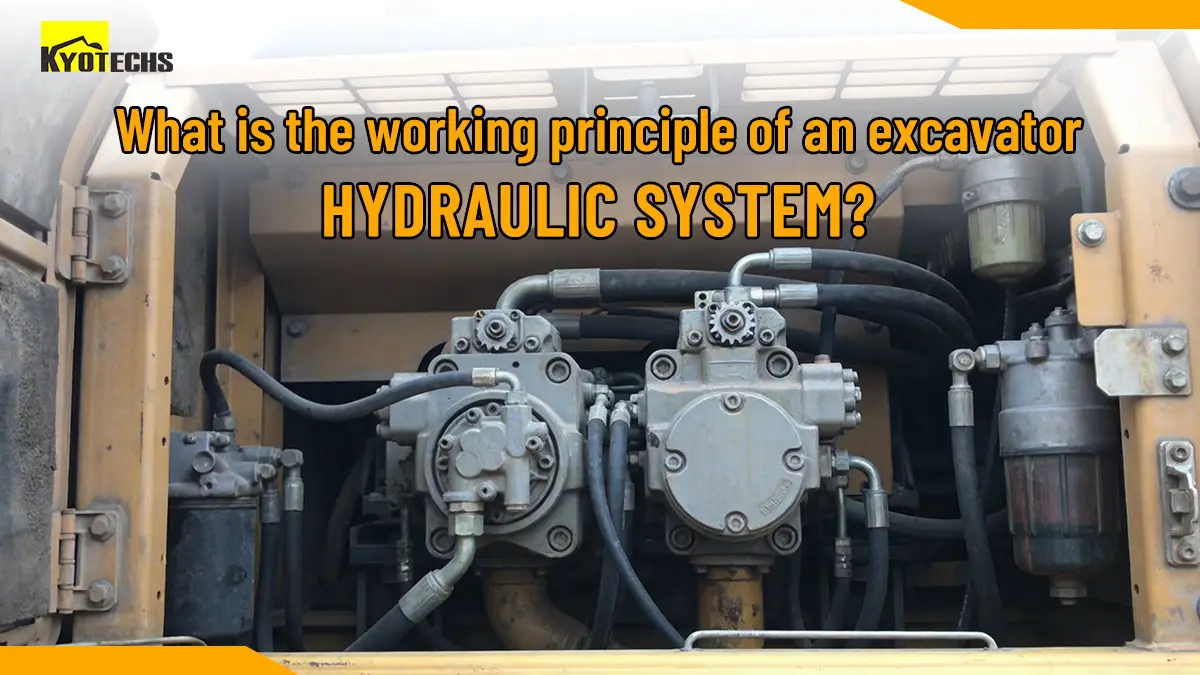
As the backbone of all hydraulic excavators, the hydraulic system is often referred to as the “power heart” of heavy construction equipment. Unlike mechanical transmission systems, excavator hydraulic systems deliver powerful, precise, and stable power output relying on Pascal’s Law—the core physical principle that pressure applied to a confined fluid is transmitted equally in all directions throughout the fluid. This unique working principle makes hydraulic systems the optimal power solution for excavators, enabling smooth boom lifting, bucket digging, rotary turning, and traveling movements in heavy-duty construction, mining, municipal engineering, and infrastructure projects.
Main Components and Working Principles of an Excavator Hydraulic System
1. Hydraulic Oil
Hydraulic oil is the indispensable power transmission medium of the entire excavator hydraulic system, and it undertakes multiple core functions beyond power delivery. Acting as the “blood” of the system, high-quality special hydraulic oil for excavators not only transfers pressure energy between components but also provides full-time lubrication, effective heat dissipation, internal sealing, and anti-rust/anti-corrosion protection for all moving parts.
To match the harsh working conditions of excavators, dedicated hydraulic oil features excellent anti-wear performance, high temperature resistance, low compressibility, and anti-foaming properties.
2. Oil Storage Tank
Also known as the hydraulic reservoir, the oil storage tank is the special container for storing and recycling excavator hydraulic oil, and a key auxiliary component for maintaining system stability. Beyond basic oil storage, this tank completes preliminary heat dissipation of high-temperature hydraulic oil flowing back from the system, separates air bubbles and solid impurities mixed in the oil, and maintains a stable oil level to ensure uninterrupted oil supply to the hydraulic pump.
Equipped with sealing devices, air filters, and oil level gauges, the oil storage tank creates a closed clean space for hydraulic oil, preventing external dust, debris, and moisture from entering the system. It forms a closed-loop circulation foundation for the entire excavator hydraulic system, ensuring continuous and stable oil supply during long hours of heavy-duty operation.
3. Hydraulic Pump
The hydraulic pump is the power source of the excavator hydraulic system, responsible for converting mechanical energy from the excavator engine into high-pressure hydraulic energy—this is the first step of the entire system’s working principle.
Driven by the excavator’s engine, the hydraulic pump sucks filtered hydraulic oil from the storage tank, compresses it into high-pressure hydraulic oil, and transports it to the subsequent control components.
4. Safety Relief Valve
As the core safety protection component of the excavator hydraulic system, the safety relief valve is designed to prevent system overpressure damage and avoid safety accidents caused by excessive hydraulic pressure. Set with a fixed safe pressure threshold, this valve remains closed during normal system operation, allowing high-pressure oil to flow normally.
5. Main Control Valve
Known as the “command center” of the excavator hydraulic system, the main control valve is the core component that controls the direction, flow, and pressure of high-pressure hydraulic oil. Connected to the excavator’s operating handle, it responds to the operator’s instructions in real time to achieve precise distribution of hydraulic power.
6. Linear and Rotary Actuators
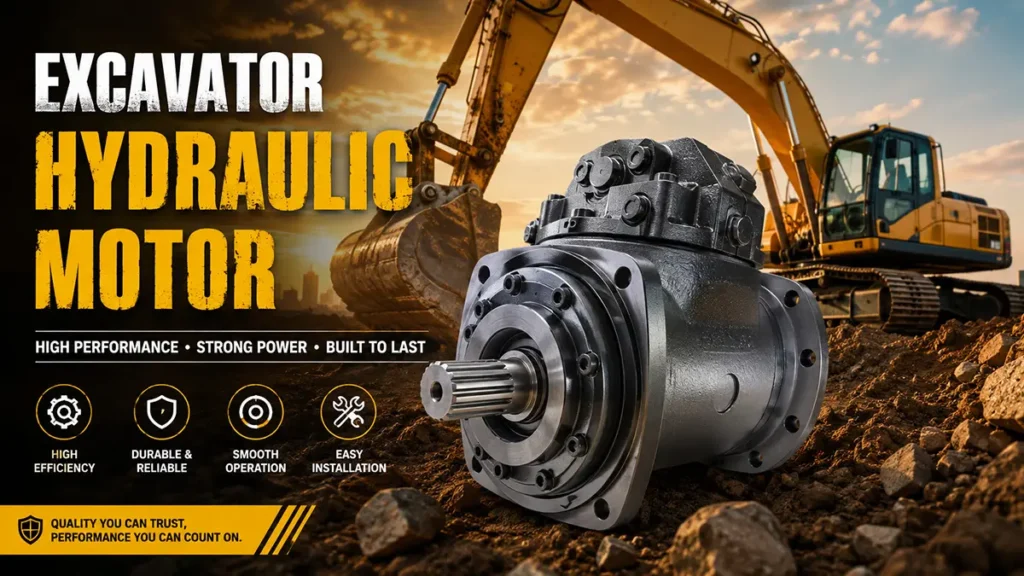
Linear and rotary actuators are the final execution components of the excavator hydraulic system, responsible for converting hydraulic energy back into mechanical energy to complete all operational actions, which are the direct power output parts of the excavator.
Linear actuators mainly refer to hydraulic cylinders (boom cylinders, arm cylinders, bucket cylinders, traveling cylinders), which drive pistons to do linear reciprocating motion under the push of high-pressure oil, realizing lifting, stretching, and digging actions of the working device.
7. Hydraulic Accumulator
As an auxiliary energy storage component of the advanced excavator hydraulic system, the hydraulic accumulator stores excess high-pressure hydraulic energy in real time and releases it instantly when the system needs additional power. It effectively buffers pressure shocks generated during frequent valve switching and load changes, stabilizing system pressure and reducing component vibration.
In addition, the hydraulic accumulator provides emergency power support: if the excavator engine stalls unexpectedly, it can release stored hydraulic energy to complete temporary retraction of the working device, avoiding equipment jamming and construction safety risks.
How Kyotechs Helps You Find Excavators Equipped with High-Quality Hydraulic Systems
The performance, durability, and maintenance cost of an excavator are directly determined by the quality of its hydraulic system. A reliable, high-efficiency excavator hydraulic system means lower failure rates, higher construction efficiency, and longer equipment service life.
Kyotechs focuses on providing one-stop high-quality excavator selection and procurement services for global customers, with a professional team that strictly inspects the hydraulic system of each piece of equipment. We only select excavators equipped with brand-name hydraulic pumps, main control valves, and high-quality actuators, ensuring full compliance with heavy-duty construction working conditions. We provide detailed hydraulic system parameter reports, component quality verification, and targeted selection suggestions according to working conditions (construction, mining, municipal engineering, etc.).
Beyond equipment selection, Kyotechs also provides professional hydraulic system maintenance guidance, after-sales support, and accessory consultation, helping customers fully grasp theexcavator hydraulic system working principle for daily maintenance. Whether you need mini excavators, medium-sized earthmoving excavators, or large mining excavators, we can match you with equipment with stable, efficient, and high-quality hydraulic systems to meet your construction needs.
Conclusion
The working principle of an excavator hydraulic system is built on Pascal’s Law, realizing the efficient conversion and transmission of mechanical energy—hydraulic energy—mechanical energy through the coordinated operation of hydraulic oil, storage tanks, pumps, valves, actuators, and auxiliary components. Every component plays an irreplaceable role, and their stable collaboration enables excavators to complete heavy-duty, precise construction tasks efficiently.
If you have any questions, would like to learn more about the related technology, or are interested in learning about or purchasing other products, please feel free to contact us.