What are some tips for maintaining an excavator?

0

Discover essential tips for maintaining your excavator with Kyotechs. Learn how to keep your equipment in top condition, ensuring efficiency and longevity. From regular inspections to proper lubrication, get expert advice on preserving your excavator’s performance.

Performing preventive maintenance regularly will ensure your excavator will operate reliably for many years. Creating a daily checklist and performing routine visual inspections will help maintain optimal performance and efficiency over the life of your equipment. Inspections can reduce downtime and avoid unnecessary repairs, saving operating costs.

While different models of excavators often have specific maintenance procedures, the following 8 general tips can help you ensure smooth daily operations.

1. Know Your Excavator

The most critical part of excavator maintenance is knowing your equipment. While many excavators function similarly, their construction and components can vary greatly. Studying your excavator manual and completing required equipment and operator training is the first step to mastering this knowledge.

2. Perform Routine Inspections

Excavator inspections are essential for safety and compliance. Daily assessments help your operators check for issues that could lead to more serious problems and future repairs. In addition, the U.S. Occupational Safety and Health Administration (OSHA) requires annual equipment inspections to be performed by a qualified professional.

3. Check the Air and Fuel Filters

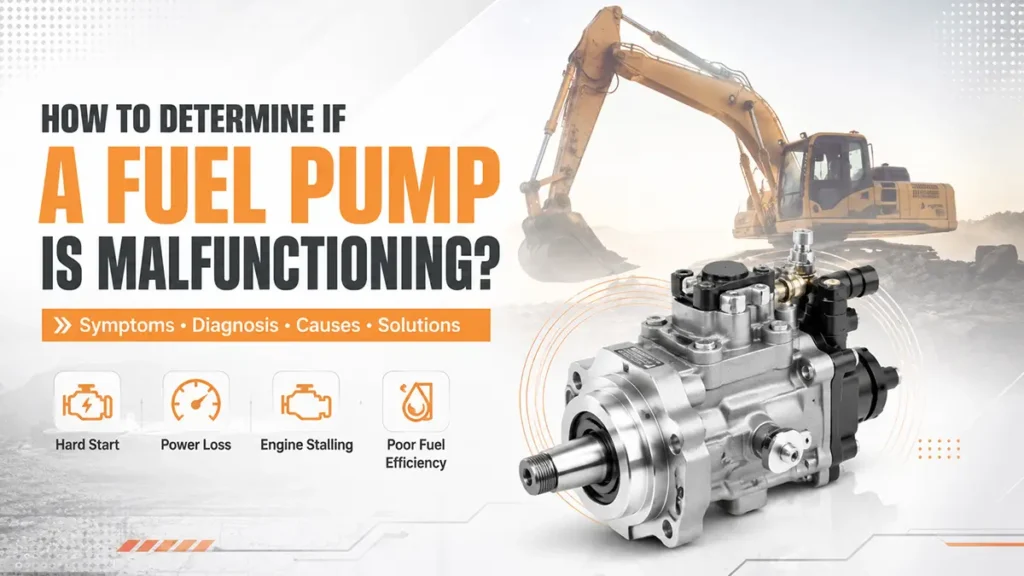
A clean, unobstructed air and fuel filter allows the engine to run stronger and more efficiently. Operators can visually check the air filter for dirt and debris while ensuring that the fluid is flowing freely in the fuel filter. The annual inspection is the best time to check and replace these parts, if needed. For more frequent inspections, tools like the Cat Inspect App can help you monitor the machines of a large fleet every day.

4. Drain the Water Separator

The water separator in an excavator is used to collect water and other contaminants from the fuel line or tank. Many of these parts have a ring that indicates the amount of water inside. A quick drain requires unscrewing the valve on top of the water separator to allow the water to drain out.

5. Create a Checklist Before, During, and After Startup

An important part of your daily inspection routine is to create a detailed checklist to follow before, during, and after the excavator is started. A thorough pre-startup assessment requires checking the fluids of all equipment while inspecting the excavator for visible damage.

Operators should perform a startup check after the engine has been idling for five to ten minutes, checking the gauges and listening for any unusual noises or vibrations. After shutting down the excavator, operators should apply the parking brake, refill the fuel tank, recheck for obvious damage, and properly clean all parts of the excavator.

6. Keep a Record of Maintenance Logs

Making detailed, handwritten records of every maintenance task performed on the equipment and tracking upcoming inspections can save your company time and money in the long run. Paper logs are essential to avoid confusion between teams, especially for large fleets.

7. Maintain the Excavator Undercarriage

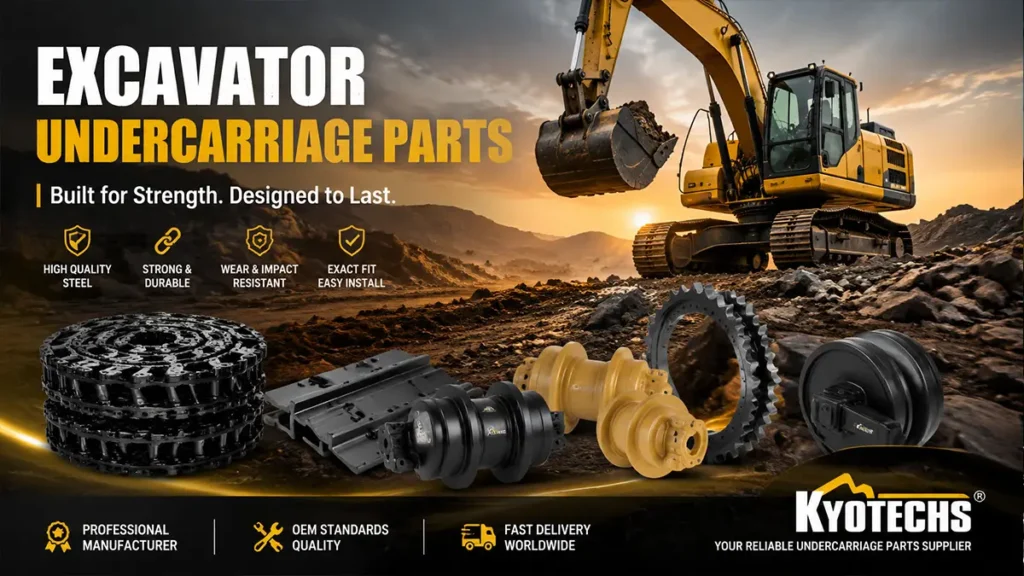
Cleaning and monitoring the excavator undercarriage daily can prevent buildup from excessive dirt and debris. If the equipment is not cleaned regularly, buildup can accelerate wear on key components, especially in cold climates. Excessive buildup can also increase the weight of the excavator, resulting in reduced fuel economy.

8. Check Track Tension and Drives

Proper tension ensures optimal performance of the track drive motor and other major components. Overtightened tracks can accelerate wear and shorten link life. Loose tracks will accelerate wear on critical undercarriage components such as sprocket and idler bearings. Cleaning the area around the drive motor will help ensure optimal track tension.

Leave a Reply

Your email address will not be published. Required fields are marked *