Discover the key differences between inline and rotary fuel injection pumps with Kyotechs. Learn how each pump type impacts fuel efficiency, performance, and durability in diesel engines. Choose the right fuel pump for your needs.
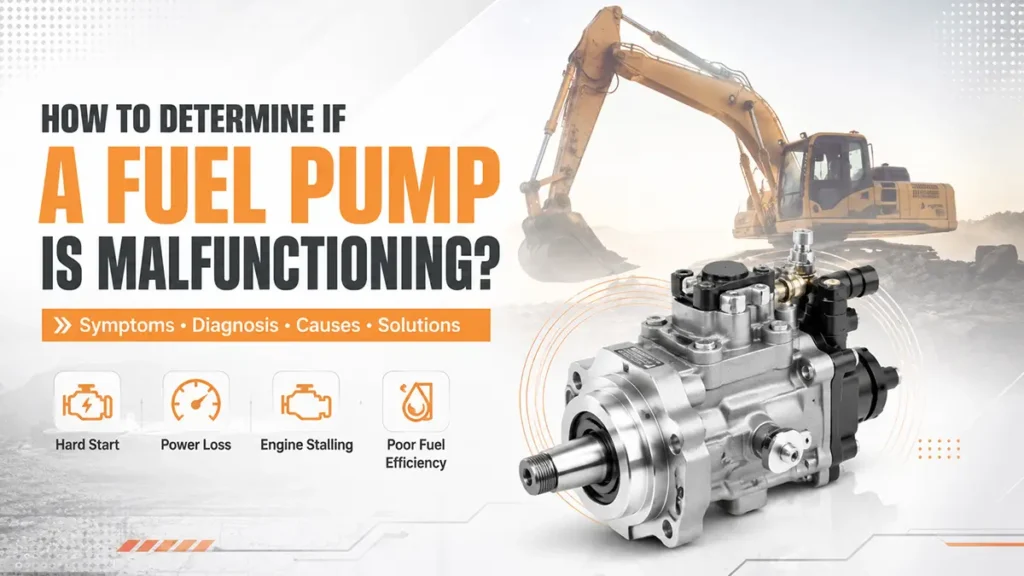
Fuel injection pumps are critical components in diesel engines, responsible for delivering precisely metered fuel at high pressure to the combustion chambers. Among the various types available, inline and rotary fuel injection pumps are two prominent designs with distinct characteristics. This article explores their definitions, pros and cons, key differences, and applications to help you understand which pump suits specific engine requirements.
What Is Inline Fuel Injection Pump?
An inline fuel injection pump, also known as a jerk pump, is a mechanical device consisting of a series of plungers mounted in a straight line within a single housing. Each plunger corresponds to a cylinder in the engine and is driven by a common camshaft.
As the camshaft rotates, it lifts each plunger sequentially, forcing fuel through the injector nozzles at high pressure. The amount of fuel delivered is controlled by adjusting the effective stroke of each plunger, typically using a rack-and-pinion mechanism that rotates the plungers to vary the point at which fuel is spilled back to the low-pressure side.
Inline pumps are known for their robustness and precise fuel metering, making them suitable for large diesel engines where reliability is paramount.
What Is Rotary Fuel Injection Pump?
A rotary fuel injection pump operates on a different principle, using a rotating distributor to deliver fuel to each cylinder. Instead of multiple plungers, it features a single rotor or plunger that rotates within a cam ring, distributing fuel to the injectors through a series of ports.
As the rotor spins, it is also forced to move axially by the cam ring’s lobes, creating pressure that pushes fuel through the system. The fuel quantity is controlled by adjusting the timing of the port openings or the effective stroke of the rotor.
Rotary pumps are more compact than inline designs and offer smoother operation due to their balanced rotating components.
Advantages And Disadvantages Between Inline And Rotary Fuel
1.Injection Pump
Inline Fuel Injection Pump
Advantages:
- Durability: Robust construction withstands high pressures and harsh operating conditions, making them ideal for heavy-duty applications.
- Precision: Individual plungers allow for accurate fuel metering to each cylinder, ensuring balanced engine performance.
- Repairability: Components are easily accessible and repairable, with many parts available as replacements.
- Cost-effectiveness for large engines: Efficiently scales with engine size, maintaining performance in multi-cylinder configurations.
Disadvantages:
- Size and weight: Bulkier design requires more space in the engine compartment.
- Higher vibration: Multiple moving parts can create more vibration compared to rotary designs.
- Slower response: Mechanical adjustments result in slower fuel delivery changes, affecting transient performance.
2.Rotary Fuel Injection Pump
Advantages:
- Compact design: Smaller and lighter, making them suitable for engines with limited space.
- Smoother operation: Balanced rotating components reduce vibration and noise.
- Faster response: Quicker fuel delivery adjustments improve engine acceleration and transient performance.
- Lower manufacturing costs: Simpler design with fewer parts reduces production expenses.
Disadvantages:
- Less durable under extreme conditions: Not as robust as inline pumps for heavy-duty, high-pressure applications.
- Complex repairs: Integrated design makes component replacement more challenging.
- Limited scalability: Less effective in very large multi-cylinder engines due to distribution limitations.
What Are Differences Between Inline And Rotary Fuel Injection Pump?
While both pumps serve the same fundamental purpose, several key differences set them apart:
1.Design Structure:
- Inline pumps feature multiple plungers arranged in a straight line with a common camshaft.
- Rotary pumps use a single rotating distributor or rotor to deliver fuel to all cylinders.
2.Fuel Distribution:
- Inline pumps deliver fuel directly from each plunger to its corresponding cylinder.
- Rotary pumps distribute fuel through a system of ports and passages in the rotating components.
3.Size and Weight:
- Inline pumps are larger and heavier, especially in multi-cylinder configurations.
- Rotary pumps offer a more compact and lightweight solution.
4.Performance Characteristics:
- Inline pumps excel in steady-state operation and high-pressure delivery.
- Rotary pumps provide better responsiveness and smoother operation at varying speeds.
5.Maintenance Requirements:
- Inline pumps allow for easier individual component replacement and adjustment.
- Rotary pumps often require more specialized knowledge and tools for repairs.
6.Pressure Handling:
- Inline pumps typically handle higher fuel pressures, suitable for large diesel engines.
- Rotary pumps operate at moderate pressures, ideal for smaller to medium engines.
The Applications of Inline And Rotary Fuel Injection Pump
1.Inline Fuel Injection Pump Applications
- Heavy-duty trucks and commercial vehicles: Their durability makes them ideal for long-haul trucks and construction vehicles.
- Marine engines: Used in large ship engines where reliability and high torque are essential.
- Industrial machinery: Power generators, agricultural tractors, and mining equipment benefit from their robust design.
- Locomotives: Diesel-electric trains rely on inline pumps for consistent performance under heavy loads.
2.Rotary Fuel Injection Pump Applications
- Passenger cars and light commercial vehicles: Compact size fits well in automotive engine bays.
- Small agricultural equipment: Used in tractors and harvesters where space is limited.
- Lawn and garden machinery: Powers smaller diesel engines in mowers and generators.
- Motorcycles and small utility vehicles: Provides efficient fuel delivery in two and four-wheeled diesel vehicles.
Conclusion
Inline and rotary fuel injection pumps each offer unique advantages tailored to specific engine requirements. Inline pumps stand out for their durability, precision, and suitability for large, heavy-duty engines, while rotary pumps excel in compactness, responsiveness, and efficiency in smaller applications.
Understanding the differences between these two designs helps in selecting the right fuel injection system for your engine, ensuring optimal performance, reliability, and fuel efficiency. As diesel technology continues to evolve, both pump types remain relevant, with ongoing improvements enhancing their capabilities in meeting modern emission standards and performance demands.