Discover effective solutions for excavator steering failures from Kyotechs. Learn how to diagnose issues like hydraulic leaks or faulty pumps, and apply expert repairs to restore performance and minimize downtime.
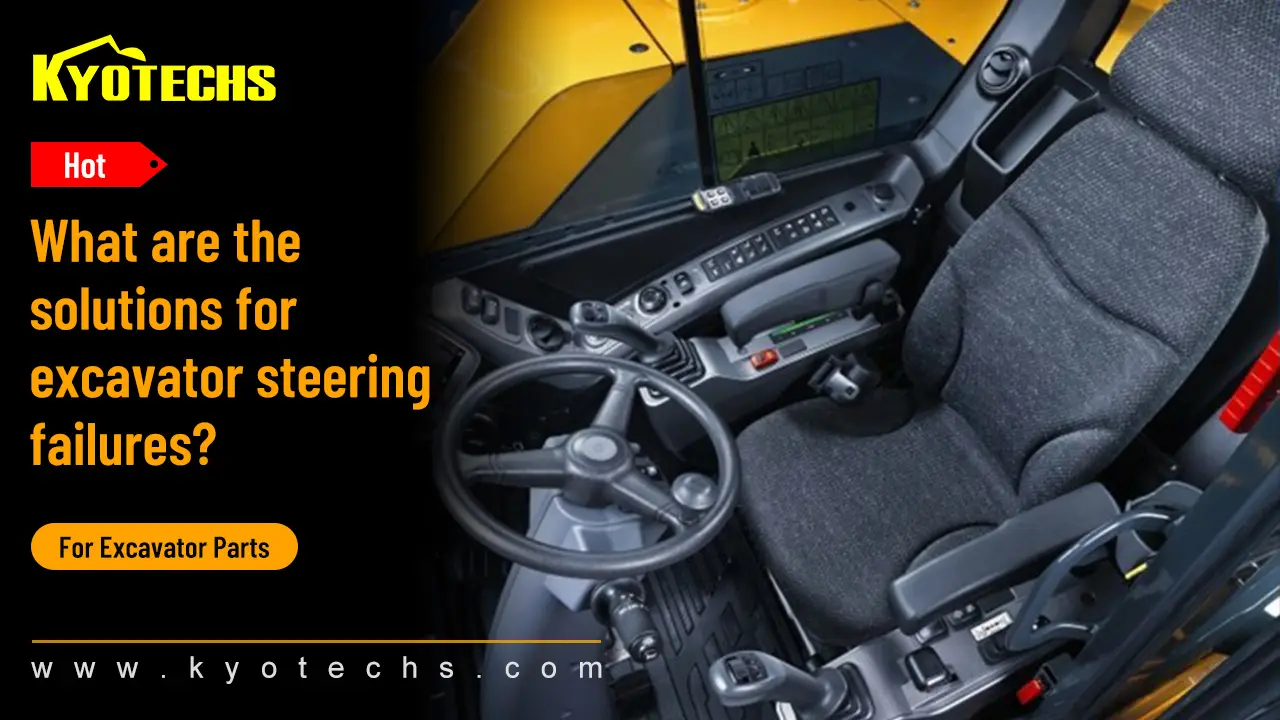
Excavators are vital equipment in construction, mining, and various industrial operations. One of the most critical issues that can halt work progress is steering failure. A malfunctioning steering system not only affects productivity but also poses significant safety risks. This article outlines practical methods to diagnose and resolve excavator steering failures, covering key components and systematic checks.
Check the Hydraulic Oil Circuit
The hydraulic system is the lifeline of an excavator’s steering mechanism, so the first step in troubleshooting steering failure is to inspect the hydraulic oil circuit thoroughly:
1.Oil Level and Quality
Verify that the hydraulic oil is at the recommended level. Low oil levels can cause insufficient pressure, leading to steering problems. Additionally, check for contamination—dirty or degraded oil (indicated by a dark color, particles, or a burnt smell) can clog valves and damage components.
2.Oil Leaks
Inspect all hoses, connectors, and seals for leaks. Even small leaks can reduce system pressure over time. Tighten loose fittings or replace damaged hoses immediately.
3.Filters and Lines
Clogged hydraulic filters restrict oil flow. Check and replace filters according to the manufacturer’s schedule. Also, ensure that hydraulic lines are not kinked, crushed, or blocked, as these issues can disrupt oil circulation.
Check the Steering Cylinder
The steering cylinder converts hydraulic pressure into mechanical motion to turn the excavator. A faulty cylinder often causes stiff or unresponsive steering:
1.Physical Damage
Inspect the cylinder for dents, cracks, or bent rods, which can impair its ability to extend and retract smoothly.
2.Seal Integrity
Leaking seals are a common issue. Look for oil around the cylinder’s piston rod or end caps. Worn or damaged seals allow hydraulic fluid to escape, reducing pressure and causing erratic steering. Replace seals if signs of leakage are present.
3.Rod Movement
Check if the cylinder rod moves freely without binding. Sticking or uneven movement may indicate internal damage or contamination, requiring disassembly and repair.
Check the Steering Wheel
While the steering wheel itself is a simple component, issues here can manifest as steering failure:
1.Connection and Play
Ensure the steering wheel is securely connected to the steering column. Excessive play (looseness) may indicate worn splines, a damaged coupling, or loose fasteners. Tighten or replace components as needed.
2.Mechanical Linkage
Inspect the linkage between the steering wheel and the hydraulic control valve. Broken or disconnected rods, cables, or gears can prevent steering inputs from translating to movement.
3.Sensor Malfunctions
In modern excavators with electronic steering systems, check for faulty position sensors. A malfunctioning sensor may send incorrect signals to the control unit, causing unresponsive or erratic steering. Use diagnostic tools to test sensor functionality.
Check the Steering Pump
The steering pump generates the hydraulic pressure required for steering operations. A failing pump is a frequent cause of steering issues:
1.Pressure Testing
Use a pressure gauge to verify that the pump delivers the specified pressure. Low pressure indicates a worn pump, damaged internal components, or a slipping drive belt.
2.Noise and Vibration
Unusual noises (such as whining or grinding) or excessive vibration during operation may signal pump problems. These symptoms often result from worn bearings, cavitation (air in the system), or internal leakage.
3.Drive Mechanism
Inspect the pump’s drive belt or coupling for wear, misalignment, or slippage. A loose or damaged drive system reduces pump efficiency and pressure output.
Check the Steering Valve
The steering valve controls the flow of hydraulic oil to the steering cylinder, directing movement based on steering wheel input:
1.Valve Blockages
Dirt, debris, or sludge can block the valve’s internal passages, restricting oil flow and causing steering delays or stiffness. Clean the valve or replace it if blockages are severe.
2.Spool Movement
The valve’s spool should move smoothly to regulate oil flow. Sticking spools, often caused by contamination or wear, can lead to unresponsive or jerky steering. Disassemble and clean the valve, or replace worn parts.
3.Electrical Components
For hydraulic valves with solenoids (common in modern systems), check for electrical faults. Loose connections, damaged wiring, or a faulty solenoid can prevent the valve from operating correctly.
Carry out System Debugging
After inspecting individual components, perform a comprehensive system debug to ensure all parts work together harmoniously:
1.Bleeding the System
If air has entered the hydraulic system (often after oil changes or repairs), bleed it to remove air bubbles. Air in the lines causes spongy steering and reduced pressure.
2.Calibration
For excavators with electronic control systems, recalibrate the steering sensors and control unit according to the manufacturer’s guidelines. This ensures proper communication between components.
3.Test Operations
Conduct test runs under different conditions (idle, low load, full load) to observe steering behavior. Monitor for any remaining issues, such as delayed response or uneven movement, and address them promptly.
4.Professional Inspection
If problems persist, consult a certified technician with specialized diagnostic equipment. They can identify hidden issues, such as software glitches in electronic systems or subtle hydraulic imbalances.
Conclusion
Excavator steering failure can stem from various causes, ranging from simple hydraulic oil issues to complex component malfunctions. By systematically checking the hydraulic oil circuit, steering cylinder, steering wheel, steering pump.
Regular maintenance, including fluid checks, filter replacements, and component inspections, is key to preventing steering failures and ensuring safe, productive operations.
If you are interested or have any questions, please feel free to contact us.