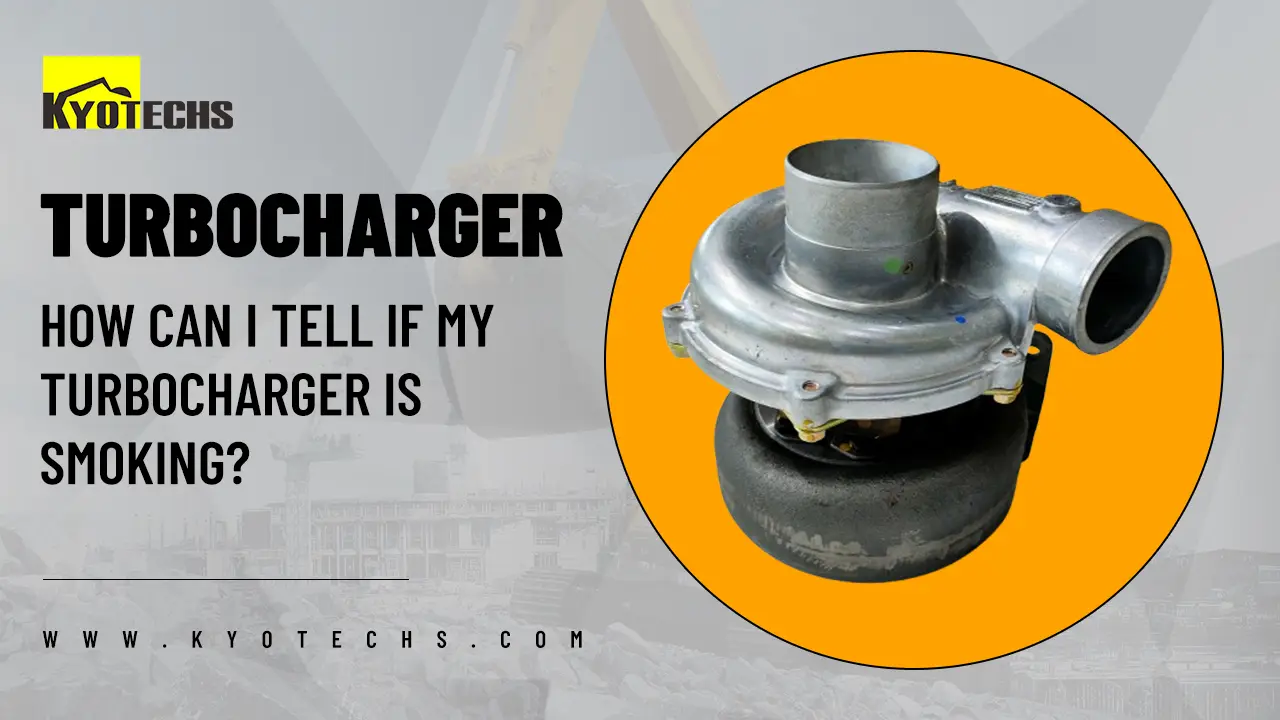
Wondering how to tell if your turbocharger is smoking? Kyotechs experts explain key signs like blue smoke, unusual noises, and performance drops. Get tips to diagnose and fix issues for better vehicle efficiency.
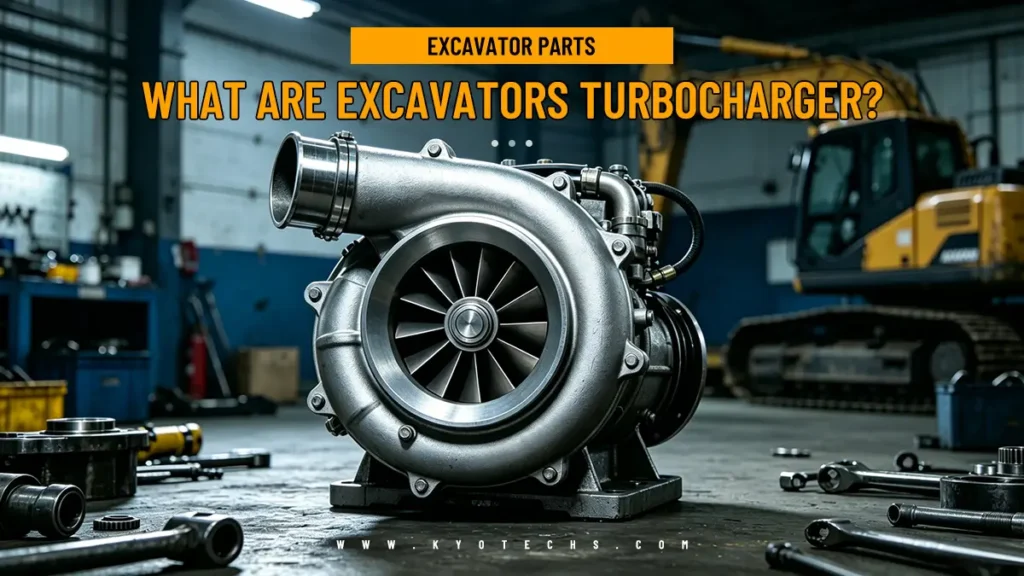
Turbochargers are vital components in modern engines, boosting performance and efficiency. However, a smoking turbo can be a warning sign of underlying issues that, if ignored, may lead to costly repairs or even complete turbo failure. In this guide, we’ll explore the common reasons for turbo smoking, decode exhaust smoke colors, and provide solutions to stop the smoking.
8 Reasons For Turbo Smoking
1.Oil Leakage Into The Turbocharger
One of the most prevalent causes is oil leaking into the turbo’s combustion chamber. This can occur due to worn seals or gaskets within the turbo. When oil seeps past these components, it burns during the combustion process, producing smoke.
2.Clogged Oil Return Line
The oil return line carries used oil away from the turbocharger back to the engine’s oil pan. If this line becomes clogged with sludge or debris, oil can back up in the turbo, leading to excessive pressure and oil leakage into the exhaust system, resulting in smoke.
3.Worn Turbo Bearings
Turbochargers rely on precision bearings to function smoothly. Over time, these bearings can wear out due to insufficient lubrication, high mileage, or poor maintenance. Worn bearings allow oil to seep into areas where it shouldn’t, causing smoke.
4.Incorrect Oil Pressure
Either too high or too low oil pressure can cause turbo smoking. Low pressure fails to properly lubricate the turbo, leading to increased friction and wear, while excessive pressure can force oil past seals and into the exhaust.
5.Intercooler Issues
A damaged or leaking intercooler can allow oil to enter the intake system. This oil then passes into the engine’s combustion chamber, where it burns and produces smoke. Cracks or loose connections in the intercooler are common culprits.
6.Exhaust Restrictions
Blockages in the exhaust system, such as a clogged catalytic converter or a damaged muffler, can create backpressure. This pressure can force exhaust gases back into the turbo, causing oil to leak and smoke to form.
7.Overboosting
When a turbocharger produces more boost pressure than the engine can handle (overboosting), it can lead to excessive heat and pressure within the turbo. This can damage seals and gaskets, resulting in oil leaks and smoke.
8.Engine Blow-by
Blow-by occurs when combustion gases leak past the piston rings into the crankcase. This increases crankcase pressure, which can force oil into the turbocharger through the breather system, leading to smoking.
Exhaust Smoke Colors: 4 Colors And What They Mean
The color of the smoke coming from your exhaust can provide valuable clues about the source of the turbo issue:
1.Blue Smoke
Blue smoke is a clear indicator that oil is burning in the combustion chamber. This is often linked to turbocharger problems such as worn seals, damaged bearings, or oil leakage into the turbo. It may be more noticeable during acceleration or when the engine is under load.
2.Black Smoke
Black smoke typically means the engine is burning too much fuel. While not directly a turbo issue, it can be a sign of a malfunctioning turbocharger causing an imbalance in the air-fuel mixture. A faulty turbo may not be supplying enough air, leading to incomplete fuel combustion.
3.White Smoke
White smoke can have multiple causes. If it’s thin and dissipates quickly, it may just be condensation, especially in cold weather. However, thick, persistent white smoke could indicate a coolant leak into the combustion chamber, which might be related to a damaged turbo or head gasket.
4.Gray Smoke
Gray smoke often falls between blue and black smoke in appearance. It can signal a combination of oil and fuel burning, possibly due to a turbocharger that’s failing or an issue with the fuel injection system. It’s important to address gray smoke promptly to prevent further damage.
How To Stop A Turbo From Smoking?
Addressing turbo smoking depends on the root cause, but here are some steps to resolve the issue:
1.Check And Replace Oil Seals/Gaskets
If oil leakage is the problem, inspect the turbo’s seals and gaskets. Worn or damaged ones should be replaced by a professional to prevent further oil seepage.
2.Clean Or Replace The Oil Return Line
A clogged oil return line can be cleaned to remove sludge and debris. If cleaning isn’t sufficient, replacing the line will restore proper oil flow and prevent backup.
3.Ensure Proper Oil Pressure And Quality
Regularly check oil pressure using a gauge. Use the manufacturer-recommended oil type and change it at the specified intervals to maintain proper lubrication and prevent bearing wear.
4.Inspect And Repair The Intercooler
Check the intercooler for cracks or leaks. Small leaks can sometimes be repaired, but severe damage may require replacement to stop oil from entering the intake system.
5.Clear Exhaust Restrictions
If a clogged exhaust is causing backpressure, have the system inspected. Replacing a clogged catalytic converter or repairing a damaged muffler can restore proper exhaust flow.
6.Adjust Boost Pressure
For overboosting issues, a professional can adjust the turbo’s boost pressure to within the manufacturer’s recommended range using a boost controller or by repairing a faulty wastegate.
7.Address Engine Blow-by
Engine blow-by may require replacing worn piston rings or performing other engine repairs to reduce crankcase pressure. Installing a catch can can also help manage blow-by in some cases.
8.Regular Maintenance
Preventive maintenance is key to avoiding turbo smoking. This includes regular oil changes, inspecting turbo components for wear, and ensuring all related systems (intercooler, exhaust, etc.) are in good condition.
Conclusion
A smoking turbocharger is not a problem to ignore, as it can indicate serious issues that may worsen over time. By understanding the common causes, interpreting exhaust smoke colors, and taking prompt action to address the underlying problem, you can extend the life of your turbocharger and keep your engine running smoothly. If you’re unsure about the cause of the smoke, consult a qualified mechanic for a professional diagnosis and repair.