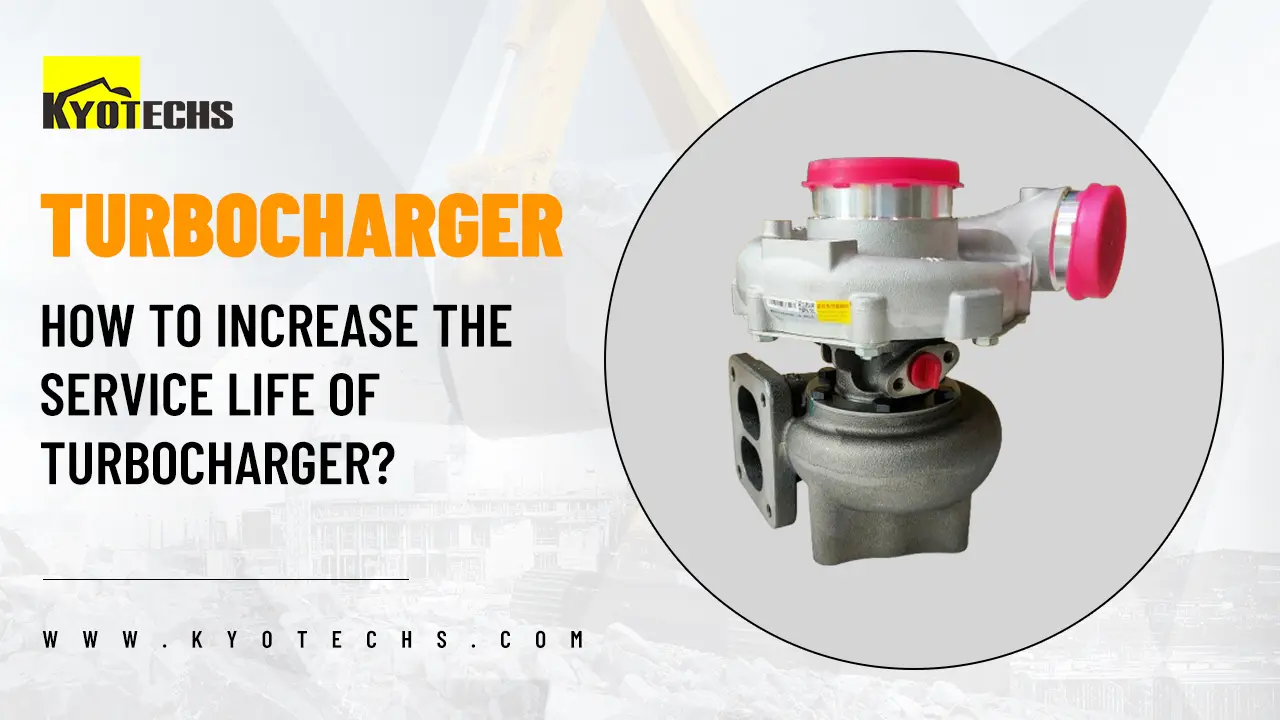
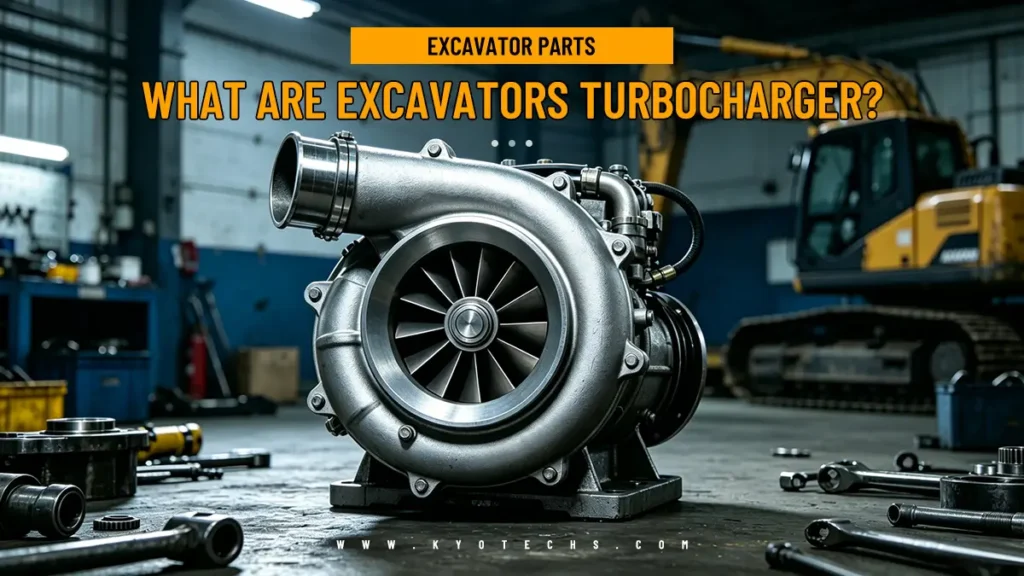
Discover how to increase the service life of your turbocharger with expert advice from Kyotechs. Learn essential maintenance tips, common issues to avoid, and strategies for optimal performance and longevity. Boost your vehicle’s efficiency today!
Turbochargers have become a staple in modern automotive engineering, offering increased power and efficiency without significantly increasing engine size. But one question that consistently arises among car owners is: How long does a turbo last?
The average lifespan of a turbocharger is typically between 100,000 to 150,000 miles (160,000 to 240,000 kilometers) with proper maintenance. However, some turbos can last well beyond 200,000 miles, while others might fail prematurely due to neglect or poor driving habits. Let’s explore the factors that influence turbo longevity and how you can maximize your turbo’s lifespan.
How Do You Know If Your Turbo Needs Replacing?
Recognizing the signs of a failing turbocharger early can prevent more extensive engine damage. Watch for these common symptoms:
1.Loss of power
A noticeable reduction in acceleration and overall engine performance
2.Increased fuel consumption
The engine works harder to compensate for turbo inefficiency
3.Blue or gray smoke from exhaust
Indicates oil is burning in the combustion chamber
4.Whistling or whining noises
Unusual sounds during acceleration can signal turbo issues
5.Check engine light
Often triggered by turbo-related sensor readings
6.Boost pressure drop
Can be measured with a pressure gauge or detected through diagnostic scanning
If you experience any combination of these symptoms, have your vehicle inspected by a qualified technician specializing in turbo systems.
What Factors Affect The Lifespan Of A Turbo?
Several key factors determine how long your turbocharger will last:
1.Driving style
Aggressive driving, frequent hard acceleration, and rapid deceleration can shorten turbo life
2.Maintenance schedule
Regular oil changes and filter replacements are critical for turbo health
3.Oil quality
Using the manufacturer-recommended oil grade is essential for proper lubrication
4.Engine size and type
Smaller engines with turbos often work harder, potentially reducing turbo lifespan
5.Operating conditions
Frequent short trips that don’t allow proper warm-up can be detrimental
6.Vehicle usage
Towing heavy loads or consistent high-speed driving increases turbo stress
7.Manufacturer quality
Turbochargers from reputable manufacturers generally offer longer lifespans
Main Causes Of Turbo Failure
Understanding what causes turbochargers to fail can help you avoid these pitfalls:
1.Lack of lubrication
The single biggest cause of turbo failure, often due to infrequent oil changes or using the wrong oil type
2.Oil contamination
Particles in the oil can damage the turbo’s precision components
3.Heat damage
Excessive heat from improper cooling or extended high-performance use
4.Foreign object damage
Debris entering the turbo from the intake or exhaust systems
5.Seal failure
Allows oil to leak into the combustion chamber or exhaust
6.Wear and tear
Bearings and other moving parts eventually wear out over time
7.Boost leaks
Cause the turbo to work harder than necessary
8.Carbon buildup
Restricts airflow and increases operating temperatures
How To Prolong The Turbo Life Expectancy?
With proper care, you can significantly extend your turbocharger’s lifespan:
Follow proper warm-up and cool-down procedures
Allow the engine to idle for 30-60 seconds before driving off, and let it idle briefly before shutting down after highway driving
- Change oil regularly: Follow the manufacturer’s recommendations, typically every 5,000-7,500 miles
- Use high-quality oil: Always use the viscosity and specification recommended by your vehicle manufacturer
- Replace oil and air filters regularly: Prevent contaminants from reaching the turbo
- Avoid aggressive driving when the engine is cold: Wait until operating temperature is reached
- Don’t rev a cold engine: This causes inadequate lubrication of turbo components
- Allow proper cool-down after heavy use: Before turning off the engine after highway driving or towing
- Address issues promptly: Fix boost leaks, check engine lights, and unusual noises immediately
- Use quality fuel: Poor quality fuel can lead to carbon deposits and engine knock
Is It Worth Replacing A Turbo?
Deciding whether to replace a turbocharger depends on several factors:
- Vehicle value: If your vehicle is relatively new or has significant remaining value, replacement is usually worthwhile
- Replacement cost vs. vehicle worth: Compare the cost of a new turbo to your car’s value
- Other potential damage: A failed turbo can sometimes cause collateral damage to the engine
- Planned ownership duration: If you plan to keep the vehicle for several more years, replacement makes economic sense
- Fuel efficiency impact: A properly functioning turbo improves fuel economy, offsetting replacement costs over time
In most cases, replacing a turbo is worthwhile if the rest of the engine is in good condition, as the alternative is typically a much more expensive engine replacement or purchasing a new vehicle.
How To Pick The Right Turbocharger?
When it’s time to replace your turbocharger, consider these factors to choose the right one:
1.OEM vs. aftermarket
OEM (Original Equipment Manufacturer) turbos offer the exact fit and performance as your original, while quality aftermarket options can provide similar reliability at a lower cost
2.Vehicle compatibility
Ensure the turbo is specifically designed for your make, model, and engine
3.Performance requirements
Match the turbo to your driving needs – stock replacements for daily driving, performance turbos for enhanced power
4.Warranty coverage
Look for turbos with at least a 12-month warranty, preferably longer
5.Brand reputation
Stick with well-known turbo manufacturers like Garrett, BorgWarner, Mitsubishi, or Holset
6.Professional recommendation
Consult with a technician experienced in turbo systems for guidance
7.Complete kits
Consider kits that include gaskets, hardware, and other necessary components for a complete replacement
Conclusion
A turbocharger can provide reliable service for 100,000 to 150,000 miles or more with proper care and maintenance. The key to maximizing turbo lifespan lies in following recommended maintenance schedules, using quality fluids, and practicing proper driving habits—especially regarding warm-up and cool-down procedures.
When turbo replacement becomes necessary, weigh the costs against your vehicle’s value and future plans. Choosing the right replacement turbo and ensuring professional installation will help ensure many more miles of reliable performance.
Remember, addressing small issues promptly can prevent major turbo failures, saving you money and inconvenience in the long run.