Learn how to safely bleed air from your excavator’s hydraulic cylinder with Kyotechs’ step-by-step guide. Ensure optimal performance and prevent damage—follow our expert tips for reliable results.
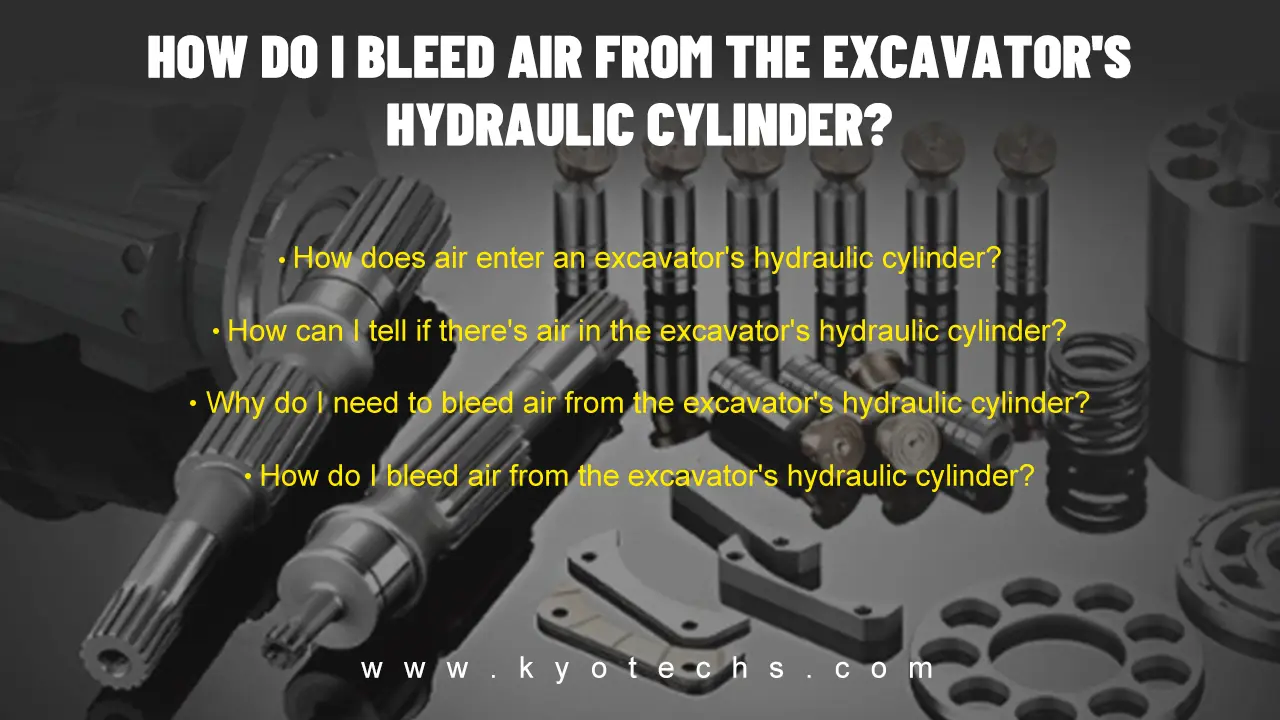
Hydraulic cylinders are critical components in excavators, responsible for powering movements like lifting the boom, extending the arm, and operating the bucket. However, air can sometimes enter the hydraulic system, causing performance issues and potential damage. In this article, we’ll explore how air enters hydraulic cylinders, how to detect it, why it needs to be removed, and step-by-step instructions for bleeding air from your excavator’s hydraulic cylinder.
How does air enter an excavator’s hydraulic cylinder?
Air can infiltrate an excavator’s hydraulic cylinder through several common pathways:
Low hydraulic fluid levels: When fluid levels drop below recommended levels, the hydraulic pump can draw in air through the reservoir.
Leaks in the system: Loose fittings, damaged hoses, or worn seals can create entry points for air, especially on the suction side of the pump.
Maintenance procedures: Air often enters during fluid changes, filter replacements, or when components are disconnected and reconnected.
Component failure: Worn pumps or damaged cylinders may pull in air during operation.
Temperature changes: Rapid temperature fluctuations can cause pressure variations that draw air into the system.
Initial startup: New hydraulic systems or recently repaired ones often contain air that needs to be purged.
How can I tell if there’s air in the excavator’s hydraulic cylinder?
Detecting air in a hydraulic cylinder requires observing both performance issues and visual clues:
Spongy or erratic movement: The cylinder may move unevenly, hesitate, or respond sluggishly to controls.
Unusual noises: Air in the system often creates a knocking, cavitating, or gurgling sound during operation.
Vibration: Increased vibration in the hydraulic lines or cylinder itself can indicate air pockets.
Reduced power: The cylinder may struggle to lift loads it previously handled easily.
Overheating: Air causes increased friction, leading to higher operating temperatures.
Foaming fluid: Check the reservoir – foamy, aerated hydraulic fluid is a clear sign of air in the system.
Inconsistent performance: Movements may vary in speed or force during operation.
Why do I need to bleed air from the excavator’s hydraulic cylinder?
Bleeding air from your excavator’s hydraulic cylinder is essential for several reasons:
Prevents damage: Air in hydraulic systems causes cavitation, which leads to excessive wear on cylinder walls, seals, and other components.
Restores performance: Removing air ensures smooth, consistent operation and full power delivery.
Reduces energy consumption: Aerated systems are inefficient, consuming more fuel to perform the same work.
Prevents overheating: Air causes friction and turbulence that increase operating temperatures, potentially leading to fluid breakdown and component failure.
Extends component life: Properly bled systems experience less wear and require fewer repairs.
Improves safety: Consistent hydraulic performance is crucial for safe excavator operation, especially when handling loads.
How do I bleed air from the excavator’s hydraulic cylinder?
Bleeding air from an excavator’s hydraulic cylinder requires careful procedure. Always consult your equipment’s manual for specific instructions, but these general steps apply to most systems:
1.Preparation:
• Park the excavator on level ground and engage the parking brake.
• Lower all attachments to the ground and shut off the engine.
• Put on appropriate safety gear, including gloves, eye protection, and protective clothing.
• Locate the hydraulic cylinder’s bleed valve(s) – typically small valves near the cylinder’s end caps.
• Clean the area around the bleed valves to prevent contamination.
• Prepare a container to catch hydraulic fluid and a wrench that fits the bleed valve.
2.Bleeding procedure:
• Start the engine and let it idle, allowing the hydraulic system to reach operating temperature.
• Position the cylinder so the bleed valve is at the highest point – this allows air to rise toward the valve.
• Slowly loosen the bleed valve one-quarter to one-half turn. You may hear air escaping initially.
• Operate the cylinder control slowly through its full range of motion several times.
• Continue this process until a steady stream of hydraulic fluid flows from the bleed valve with no visible air bubbles.
• Tighten the bleed valve securely while the system is still under pressure.
• Repeat the process for any additional bleed valves on the cylinder.
• Check the hydraulic fluid reservoir and add fluid as needed to maintain proper levels.
• Test the cylinder operation to ensure smooth, consistent performance.
• Clean up any spilled hydraulic fluid properly according to environmental regulations.
3.Post-bleeding checks:
• Inspect for leaks around the bleed valves and hydraulic connections.
• Monitor the hydraulic system for any signs of air remaining (noises, erratic movement).
• Check fluid levels again after operating the machine for a short period.
Conclusion
Maintaining properly bled hydraulic cylinders is essential for the performance, safety, and longevity of your excavator. By understanding how air enters the system, recognizing the symptoms of aeration, and following proper bleeding procedures, you can ensure your hydraulic cylinders operate efficiently.
Regular inspection of hydraulic fluid levels and connections can help prevent air entry in the first place. When air does enter the system, prompt bleeding will minimize wear and maintain optimal performance.
Proper hydraulic system maintenance, including regular bleeding when necessary, will keep your excavator operating at peak efficiency, reduce repair costs, and extend the life of your equipment.