Discover the key functions of an excavator swing motor with Kyotechs, including powering smooth rotation, enhancing operational efficiency, and ensuring precise control in heavy machinery. Explore how this vital component boosts performance today.
Understanding The Functionality of A Swing Motor in Excavators
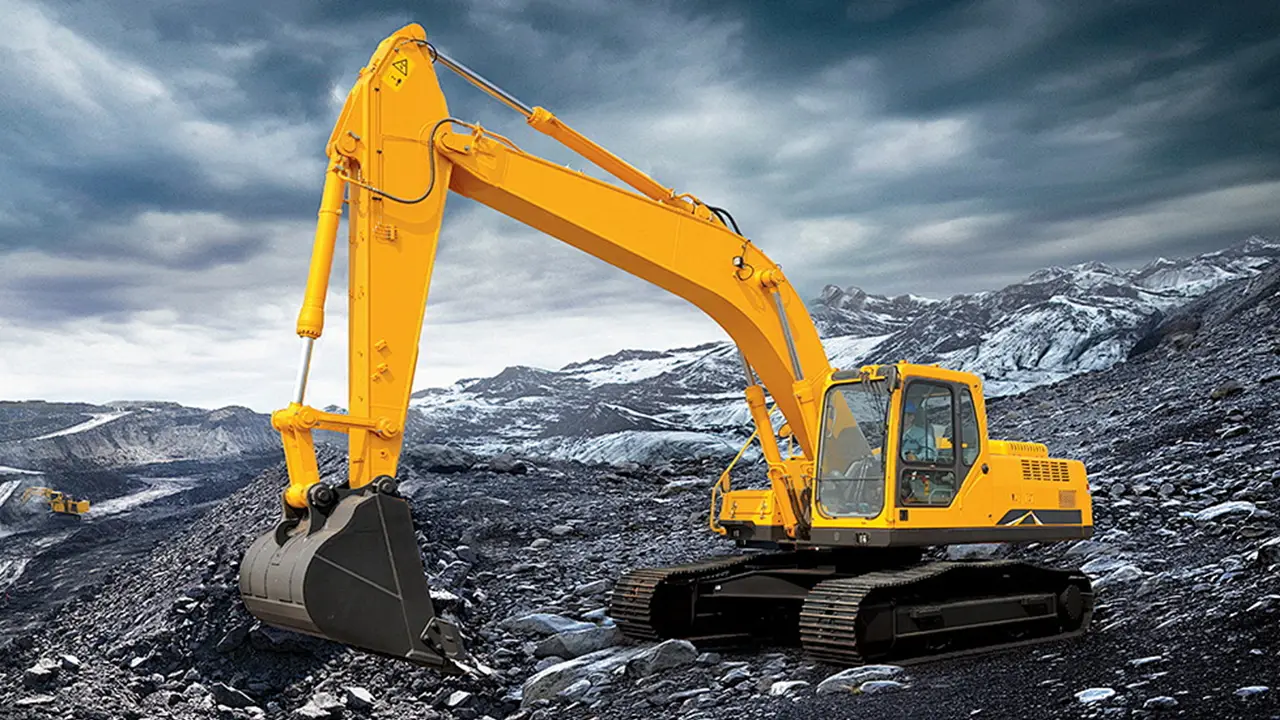
In the complex machinery of excavators, each component plays a vital role in ensuring efficient and precise operation. Among these, the swing motor stands out as a crucial part that enables the excavator’s upper structure to rotate, allowing for a wide range of movement and versatility on job sites. Understanding the functionality of a swing motor is essential for anyone involved in the operation, maintenance, or repair of excavators.
What is a Swing Motor?
A swing motor is a hydraulic or electric motor specifically designed to drive the rotation of an excavator’s superstructure, which includes the cab, boom, arm, and bucket. It is responsible for the 360 – degree rotational movement that allows the excavator to reach different areas without having to reposition the entire machine. This rotational capability is what makes excavators so versatile in various applications such as construction, mining, and landscaping.
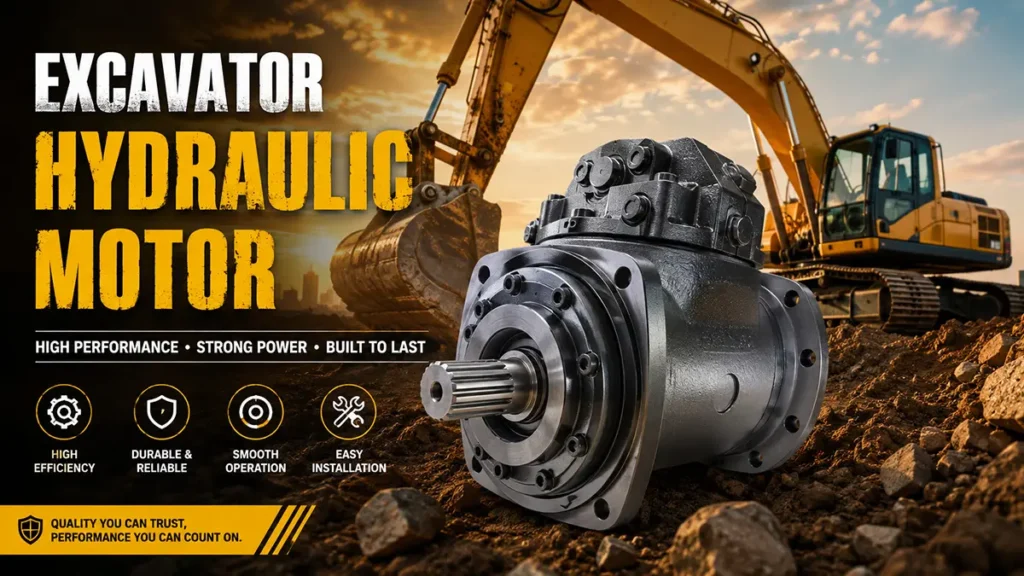
Hydraulic swing motors are the most common type in modern excavators. They operate using hydraulic fluid, which is pressurized by a hydraulic pump. The pressure of the hydraulic fluid is converted into mechanical rotational force by the swing motor, which then drives the excavator’s swing mechanism. Electric swing motors, on the other hand, are becoming more popular in some newer excavator models, especially those with hybrid or all – electric power systems. They use electrical energy to generate rotational motion.
How Does a Swing Motor Work?
The working principle of a swing motor depends on its type, whether hydraulic or electric. For hydraulic swing motors, the process starts with the hydraulic pump, which is typically driven by the excavator’s engine. The pump pressurizes the hydraulic fluid, which is then directed to the swing motor through a series of hydraulic hoses and valves.
Inside the hydraulic swing motor, the pressurized hydraulic fluid enters a set of chambers, pushing against pistons or vanes. This pressure causes the pistons or vanes to move, which in turn rotates the motor’s output shaft. The rotation of the output shaft is transmitted to the excavator’s swing gearbox, which amplifies the torque and reduces the speed, providing the necessary power to rotate the superstructure.
Electric swing motors work by converting electrical energy from the excavator’s battery or generator into mechanical rotational energy. They consist of an electric motor that is connected to the swing gearbox. When an electric current is supplied to the motor, it creates a magnetic field that interacts with the motor’s rotor, causing it to rotate. The rotation is then transferred to the gearbox, which again adjusts the speed and torque to rotate the superstructure.
Key Components of the Swing Motor
Several key components work together to ensure the proper functioning of a swing motor. For hydraulic swing motors, these components include:
1. Hydraulic pump
It supplies the pressurized hydraulic fluid to the motor.
2. Hydraulic cylinder or piston
These are the parts that are pushed by the hydraulic fluid, converting the fluid pressure into mechanical motion.
3. Valves
They control the flow and direction of the hydraulic fluid, allowing for precise control of the motor’s rotation.
4. Swing gearbox
It reduces the speed of the motor’s output and increases the torque, providing the necessary power to rotate the heavy superstructure.
For electric swing motors, the key components are:
1. Electric motor
It converts electrical energy into mechanical rotational energy.
2. Controller
It regulates the electric current supplied to the motor, controlling the speed and direction of rotation.
3. Swing gearbox
Similar to the hydraulic version, it adjusts the speed and torque from the electric motor to rotate the superstructure.
4. Battery or generator
It provides the electrical energy needed to power the electric motor.
Conclusion
The swing motor is an indispensable component of an excavator, enabling the rotational movement that is essential for its versatility and efficiency. Whether hydraulic or electric, the swing motor works through a combination of key components to convert energy into the mechanical motion required to rotate the superstructure. Understanding how the swing motor functions and the role of its key components is crucial for ensuring the proper operation, maintenance, and repair of excavators.
FQA
What is a swing motor excavator?
A swing motor excavator refers to an excavator that incorporates a swing motor to rotate its upper structure. This component is central to the machine’s flexibility and precision.
Why is my excavator swing motor leaking oil?
Oil leakage is often due to worn seals or damaged hoses. Replacing these parts usually resolves the issue. Regular maintenance can also help avoid leaks altogether.
How long do swing motors last?
The lifespan depends on usage, maintenance, and environmental conditions. While some last for thousands of hours, others may need replacement sooner under heavy wear.
Can I repair a swing motor myself?
Small issues like seal replacement might be manageable if you have mechanical knowledge. However, complex repairs are best handled by professionals.
How do I maintain a swing motor?
Regular maintenance includes checking hydraulic fluid levels, inspecting seals and connections for leaks, and cleaning dirt or debris from the motor. Following the manufacturer’s recommendations prolongs its lifespan.