What is the swing motor of an excavator? It’s a hydraulic component in Kyotechs’ machinery that powers the upper structure’s rotation for precise operations. Essential for efficiency, explore our reliable excavator parts today.
In the complex machinery of an excavator, numerous components work in harmony to enable its versatile operations. Among these, the swing motor holds a crucial position, yet it is often less understood by those not deeply familiar with heavy equipment. This article aims to shed light on what a swing motor is, its various types, how it functions, and conclude with its significance in excavator performance.
What is a swing motor?
A swing motor is a vital hydraulic or mechanical component in an excavator that is responsible for powering the rotation of the upper structure (the house) relative to the undercarriage. This rotation allows the excavator’s boom, arm, and bucket to move horizontally, enabling the machine to reach different areas without having to reposition the entire undercarriage. Without a properly functioning swing motor, an excavator would be severely limited in its ability to perform tasks such as digging, loading, and material handling over a wide range.
The swing motor is typically located within the excavator’s superstructure, near the center of rotation. It converts hydraulic pressure or mechanical energy into rotational motion, which is then transmitted through a series of gears to the swing bearing, causing the upper structure to swing left or right. The power and speed of the swing motor determine how quickly and smoothly the excavator can rotate, making it a key factor in the machine’s overall productivity.
Types of Swing Motor
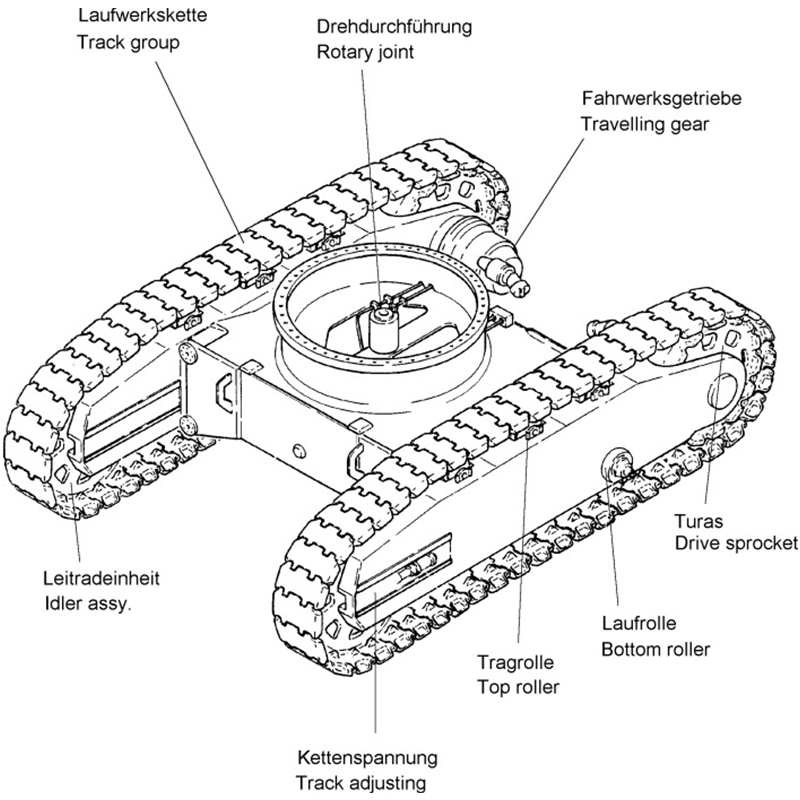
Swing motors used in excavators can be broadly categorized into two main types: hydraulic swing motors and mechanical swing motors. Each type has its own characteristics and applications.
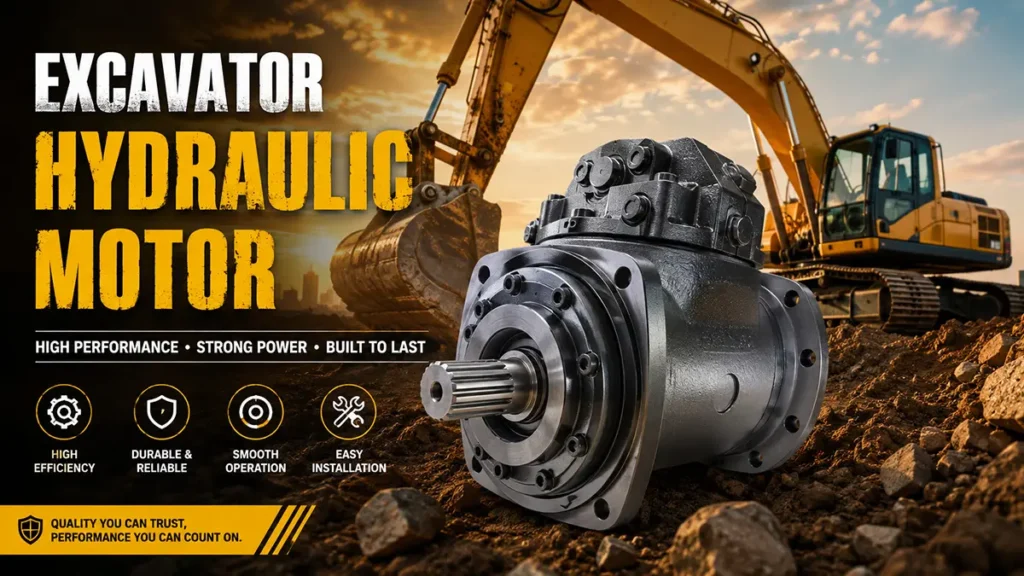
Hydraulic swing motors are the most common type in modern excavators. They operate using hydraulic fluid under pressure, which is supplied by the excavator’s hydraulic pump. The hydraulic fluid enters the motor, pushing against internal components such as pistons or vanes, which then rotate the motor’s output shaft. Hydraulic swing motors offer several advantages, including high power density, smooth operation, and precise control over the swing speed and torque. They are also relatively compact, making them suitable for installation in the limited space of an excavator’s superstructure. There are further subtypes of hydraulic swing motors, such as axial piston motors and radial piston motors, each with specific design features that affect their performance.
How Does an Excavator Swing Motor Work?
The operation of an excavator swing motor, whether hydraulic or mechanical, involves a sequence of processes that convert energy into rotational motion to achieve the swinging of the upper structure. Let’s take a closer look at the working mechanism, focusing primarily on hydraulic swing motors since they are the dominant type.
For a hydraulic swing motor, the process begins with the excavator’s engine driving a hydraulic pump. The pump pressurizes the hydraulic fluid, which is then directed through control valves to the swing motor. When the operator activates the swing control (usually a joystick), the control valves open, allowing the pressurized hydraulic fluid to flow into the motor. Inside the motor, the pressure of the fluid acts on pistons (in axial piston motors) or vanes (in vane motors), causing them to move. This movement is converted into rotational motion of the motor’s output shaft.
The rotational motion from the motor’s output shaft is then transferred to a series of gears, which amplify the torque and reduce the speed as needed. These gears are connected to the swing bearing, a large circular bearing that connects the upper structure to the undercarriage. As the gears rotate, they cause the swing bearing to turn, resulting in the rotation of the entire upper structure of the excavator.
To stop the swing or reverse its direction, the control valves redirect the flow of hydraulic fluid. By stopping the fluid flow, the motor’s output shaft stops rotating, halting the swing. Reversing the fluid flow direction causes the motor’s output shaft to rotate in the opposite direction, reversing the swing of the upper structure.
Conclusion
The excavator swing motor is an indispensable component that enables the machine’s upper structure to rotate, providing the flexibility and reach necessary for a wide range of construction and excavation tasks. Whether hydraulic or mechanical, these motors play a critical role in converting energy into rotational motion, allowing operators to efficiently maneuver the excavator’s working parts.
Understanding the function and types of swing motors is essential for anyone involved in the operation, maintenance, or design of excavators. A well-maintained swing motor ensures smooth and reliable operation, minimizing downtime and maximizing productivity on the job site. As technology continues to advance, we can expect further improvements in swing motor design, leading to even more efficient and powerful excavators in the future.
FAQs
How do I troubleshoot a malfunctioning swing motor?
Troubleshooting a malfunctioning swing motor requires a systematic approach:
1.Check for damage, leaks, or contamination in the motor and associated components.
2.Ensure fluid levels are sufficient and clean to avoid performance issues.
3.Inspect for damage or loose connections and test continuity and voltage.
4.Analyze feedback for errors or inconsistencies indicating electrical or control system problems.
5.Assess motor performance for smooth rotation and abnormal sounds or vibrations.
6.Measure hydraulic pressure and flow rates to detect any abnormalities.
7.Disassemble if necessary to check for wear, damage, or contamination.
Follow the manufacturer’s guidelines and troubleshooting procedures.
If unable to resolve, consult qualified technicians or service centers for assistance.
Following these steps systematically helps identify and address swing motor issues efficiently, ensuring minimal downtime and optimal equipment performance.
What are the typical signs of swing motor failure?
Typical signs of swing motor failure include: unusual noises, slow or inconsistent rotation, fluid leaks, overheating, reduced power, erratic movement, error codes, increased fuel consumption, hydraulic system pressure drops, and loss of control.
Can swing motor issues be repaired on-site?
Yes, swing motor issues can often be repaired on-site, depending on the nature and severity of the problem. Minor issues such as fluid leaks or electrical faults may be addressed without removing the motor from the excavator. However, more complex problems like internal component failures or major hydraulic system issues may require the swing motor to be removed for thorough inspection and repair in a workshop environment. It’s essential to assess the extent of the damage and consult with qualified technicians to determine the most appropriate course of action.