Discover why your excavator’s hydraulic pump makes abnormal noise, from common causes like cavitation, contamination, or wear. Kyotechs experts provide practical insights and solutions to maintain optimal performance and extend machinery life.
Excavators rely heavily on their hydraulic systems to perform heavy-duty tasks efficiently. When your excavator’s hydraulic pump starts making unusual noises, it’s more than just an annoyance—it’s often a warning sign of underlying issues that could lead to costly repairs or downtime if ignored. In this article, we’ll explore the common causes of abnormal noises in excavator hydraulic systems and what they might indicate.
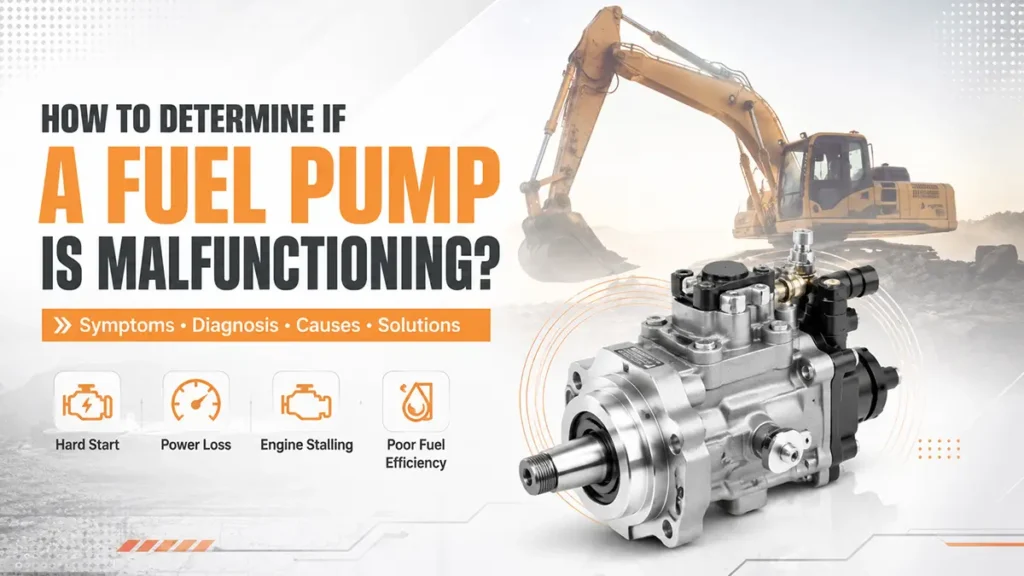
The Pump Has High Noise and Vibration
One of the most noticeable signs of a problematic hydraulic system is excessive noise and vibration from the pump itself. This can stem from several issues:
- Low hydraulic fluid levels: Insufficient fluid causes the pump to work harder, leading to cavitation—a phenomenon where air bubbles form and collapse in the fluid, creating a loud, knocking noise.
- Contaminated fluid: Dirt, debris, or water in the hydraulic fluid can damage internal pump components, resulting in increased friction and vibration.
- Worn-out components: Bearings, gears, or vanes inside the pump can wear over time, leading to irregular movement and heightened noise levels.
If you notice these symptoms, check the fluid level and condition immediately. Regular fluid changes and using high-quality filters can help prevent such issues.
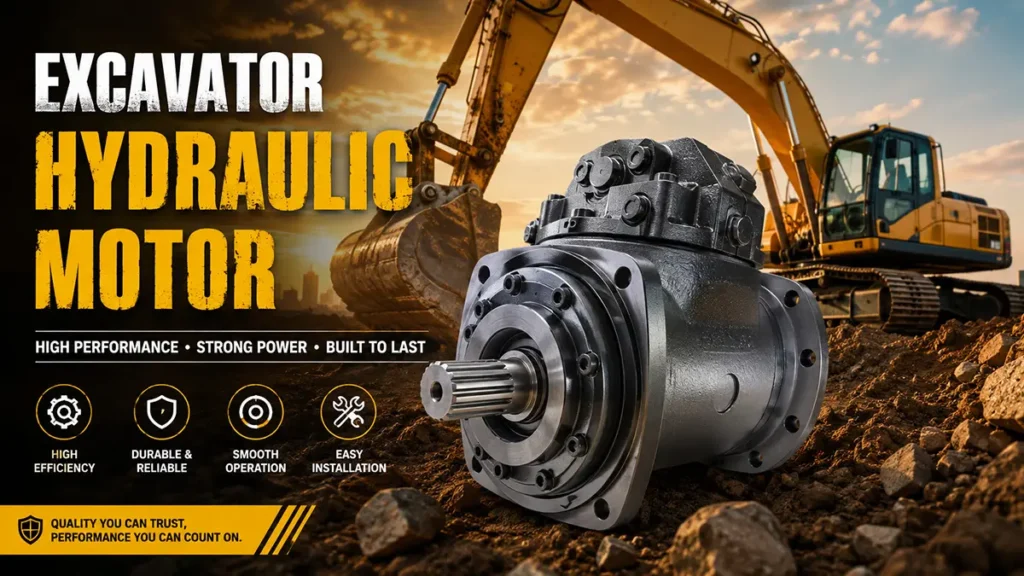
The Hydraulic Motor Is Noisy
A noisy hydraulic motor often points to mechanical problems within the motor itself:
- Misalignment: If the motor isn’t properly aligned with the pump or other components, it can cause uneven stress and produce a grinding or whining sound.
- Internal leaks: Leaks within the motor reduce efficiency and create turbulence in the fluid flow, resulting in noise.
- Damaged rotor or stator: Wear or damage to these critical parts disrupts smooth operation, leading to rattling or buzzing noises.
Addressing motor noise promptly is crucial, as prolonged operation can lead to complete motor failure.
The Hydraulic Cylinder Makes a Lot of Noise
Hydraulic cylinders are responsible for the excavator’s lifting and digging movements, and unusual noises here can indicate:
- Air in the system: Trapped air in the cylinder causes a hissing or gurgling sound as it compresses and expands during operation.
- Worn seals or piston rods: Damaged seals allow fluid to leak past the piston, creating irregular pressure and a knocking noise.
- Bent cylinder rods: A bent rod causes uneven movement and scraping against the cylinder walls, producing a metallic screeching sound.
Bleeding the system to remove air and inspecting seals regularly can help mitigate these issues.
Relief Valve Squeals
A high-pitched squeal from the relief valve is a clear indication of pressure-related problems:
- Overpressure situations: The relief valve opens to release excess pressure, but if this happens frequently, it can cause a persistent squeal.
- Valve wear or blockage: A worn or dirty relief valve may not seal properly, leading to constant leakage and noise.
- Incorrect pressure settings: If the valve is set too low, it may open unnecessarily during normal operation, producing a squealing sound.
Checking and adjusting pressure settings, along with regular valve maintenance, can resolve this issue.
Dead Bends in Pipes or Loose Fixing Clips
The hydraulic system’s piping and hoses can also be sources of noise:
- Dead bends: Sharp, tight bends in hydraulic pipes restrict fluid flow, creating turbulence and a whistling or roaring noise.
- Loose fixing clips: Pipes and hoses that aren’t securely fastened vibrate against other components, producing rattling or clanging sounds.
- Worn or damaged hoses: Cracked or deteriorating hoses can cause fluid leaks and irregular flow, leading to noise.
Inspecting the piping layout and ensuring all clips are tight can eliminate these noise sources.
Noise from Plunger Pump or Motor
Plunger pumps and motors are common in excavator hydraulic systems, and noise here often indicates:
- Worn plungers or cylinders: As these components wear, they create uneven pressure and a knocking or clicking noise.
- Inadequate lubrication: Insufficient lubrication between moving parts increases friction, leading to squeaking or grinding sounds.
- Faulty valve plates: Damaged valve plates disrupt fluid flow, causing turbulence and noise during operation.
Regular maintenance, including lubrication and component inspections, is key to preventing these issues.
Conclusion
Unusual noises in an excavator’s hydraulic system shouldn’t be ignored. They’re an early warning sign of potential problems and, if addressed promptly, can avoid costly repairs and downtime. Regular maintenance, proper fluid management, and timely component replacement are essential to keeping your hydraulic system running smoothly and quietly. If you’re interested or have any questions, please contact us.