Excavators rely heavily on hydraulic systems to deliver the power needed for digging, lifting, and grading operations. While hydraulic systems are robust, noise issues are a common headache for operators and maintenance teams. Unusual noises—such as whining, buzzing, knocking, or rattling—are not just annoying; they often signal underlying component wear, fluid problems, or misalignment that can lead to costly breakdowns if left unaddressed.

1. Noise in Piston Pumps or Motors
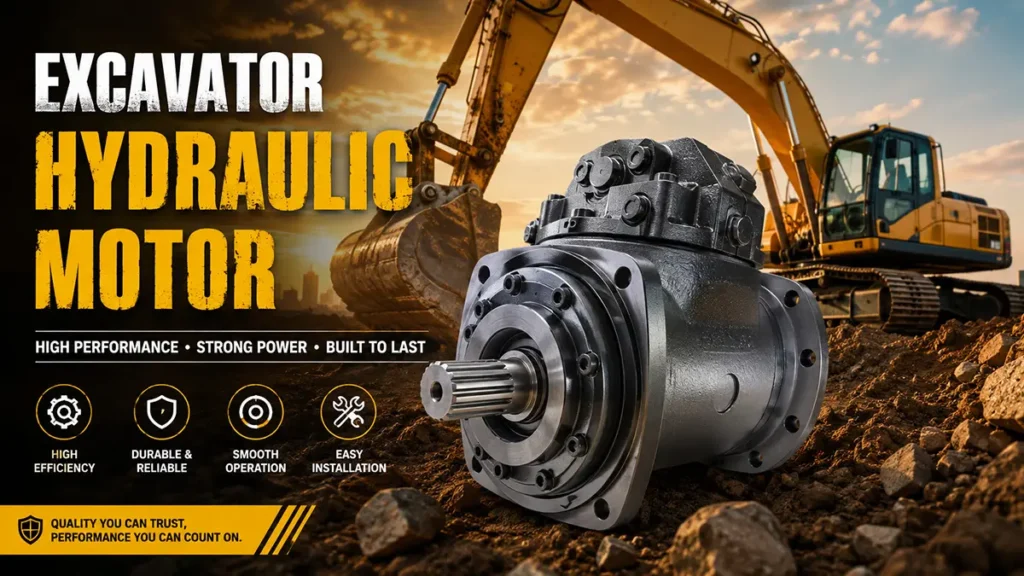
Piston pumps and motors are the “heart” of an excavator’s hydraulic system, responsible for generating and transmitting hydraulic pressure. Noise from these components is typically characterized by a high-pitched whine, knocking, or irregular rattling, and it often intensifies with increased load or RPM.
Common Causes
- Low or Contaminated Hydraulic Fluid: Insufficient fluid levels cause cavitation (air bubbles forming and collapsing in the fluid), which produces a sharp whine. Contaminants (dirt, metal shavings, or water) can wear down piston seals, cylinder bores, and valve plates, leading to irregular pressure distribution and noise.
- Worn Components: Over time, piston rings, cylinder blocks, valve plates, or bearings degrade, resulting in leakage, pressure fluctuations, and knocking sounds.
- Air Ingestion: Leaks in the suction line, loose fittings, or a clogged suction filter can draw air into the pump, leading to cavitation and noise.
- Misalignment or Improper Mounting: Misalignment between the pump/motor and the engine (via the coupling) creates excessive vibration and noise.
Troubleshooting Steps
- Check hydraulic fluid levels and quality: Ensure the fluid is at the recommended level, clean, and free of contaminants. Test for water content using a moisture indicator.
- Inspect the suction line: Look for cracks, loose fittings, or clogs in the suction filter. Replace the filter if it’s dirty or damaged.
- Check for leaks: Use a hydraulic leak detector or visual inspection to identify air leaks in the suction side of the system.
- Inspect coupling alignment: Use a straightedge or laser alignment tool to verify that the pump/motor and engine are properly aligned.
- Test pump/motor performance: Measure pressure output and flow rate to identify irregularities. A drop in performance often indicates worn components.
Solutions
- Replace worn components (pistons, seals, valve plates, bearings, or swash plates) as needed. For severe wear, replace the entire pump/motor assembly.
- Repair or replace damaged suction lines and tighten loose fittings; clean or replace clogged suction filters.
- Realign the coupling and torque mounting bolts to the manufacturer’s specifications.
2. Noise in Relief Valves
Relief valves are critical safety components that release excess hydraulic pressure to prevent system damage. Noise from relief valves is usually a loud, persistent whining or buzzing sound, often triggered when the system reaches maximum pressure (e.g., during heavy digging or lifting).
Common Causes
- Valve Sticking: Contaminants or debris can cause the relief valve’s spool to stick in the open or partially open position, leading to constant pressure release and noise.
- Improper Pressure Setting: If the relief valve is set too low, it will open prematurely, causing pressure fluctuations and noise. If set too high, it may not open until the system is overpressurized, leading to a sudden, loud release.
- Worn or Damaged Seals: Leaking seals around the valve spool or seat can cause pressure leaks and irregular flow, resulting in noise.
- Clogged Pilot Port: The pilot port (which controls the valve’s operation) can become clogged with debris, preventing proper spool movement and causing erratic pressure release.
Troubleshooting Steps
- Check pressure settings: Use a hydraulic pressure gauge to verify that the relief valve is set to the manufacturer’s recommended pressure.
- Inspect for contamination: Remove the relief valve and check for debris in the spool, seat, or pilot port.
- Test valve operation: Manually actuate the relief valve to see if it moves smoothly. Sticking or resistance indicates a problem.
- Check for leaks: Inspect the valve’s seals for wear or damage; use a leak detector to identify pressure leaks.
Solutions
- Clean the relief valve: Disassemble the valve, remove debris, and clean all components with a hydraulic system cleaner. Reassemble carefully.
- Adjust pressure settings: Use a pressure gauge to reset the relief valve to the correct pressure (follow the manufacturer’s guidelines).
- Replace worn seals or the entire relief valve if cleaning and adjustment do not resolve the issue.
- Flush the hydraulic system to remove contaminants that may have caused the clog.
3. Noise in Hydraulic Cylinders
Hydraulic cylinders drive the excavator’s boom, arm, and bucket. Noise from cylinders is often a knocking, creaking, or hissing sound, which may occur during extension, retraction, or when holding a load.
Common Causes
Air in the Cylinder: Air trapped in the cylinder can cause a knocking sound as the piston compresses the air during movement. This often happens after fluid replacement or system maintenance.
Worn Piston Seals or Rod Seals: Leaking seals allow fluid to bypass the piston, leading to uneven movement and noise. Worn rod seals can also allow air to enter the cylinder.
Bent or Damaged Piston Rod: A bent rod causes the piston to move unevenly, creating friction and knocking sounds. This is often caused by overloading or impact damage.
Contaminated Fluid: Debris in the cylinder can scratch the cylinder bore or piston, leading to friction and noise.
Insufficient Lubrication: Lack of lubrication between the piston and cylinder bore increases friction, causing squeaking or creaking.
Troubleshooting Steps
- Bleed the cylinder: Purge air from the cylinder by extending and retracting it fully several times while the system is running (follow the manufacturer’s bleeding procedure).
- Inspect the piston rod: Check for bending, scratches, or damage. Use a straightedge to verify alignment.
- Check for leaks: Look for fluid leaks around the rod seal or cylinder ends, which indicate worn seals.
- Inspect fluid quality: Check for contaminants and ensure the fluid is properly lubricated.
- Test cylinder movement: Operate the cylinder under load to check for uneven movement or sticking.
Solutions
- Bleed the cylinder to remove trapped air; repeat the process if necessary.
- Replace worn piston seals or rod seals; ensure the new seals are compatible with the hydraulic fluid and system pressure.
- Straighten or replace a bent piston rod. For severe damage, replace the entire cylinder assembly.
- Flush the system and replace hydraulic fluid to remove contaminants.
- Add the manufacturer-recommended hydraulic fluid additive to improve lubrication (if needed).
4. Noise in Hydraulic Pipes
Hydraulic pipes (hoses and rigid tubes) carry fluid between components, and noise from pipes is often a rattling, vibrating, or humming sound. This noise is typically caused by fluid turbulence, pipe vibration, or contact with other components.
Common Causes
- Fluid Turbulence: Restrictions in the pipe (e.g., clogged fittings, kinked hoses) or sudden changes in flow direction cause turbulence, leading to vibration and noise. High flow rates can also increase turbulence.
- Pipe Vibration: Hydraulic pressure pulses (common in piston pumps) can cause pipes to vibrate. If pipes are not properly secured, this vibration amplifies and creates noise.
- Contact with Other Components: Vibrating pipes that touch the excavator’s frame, boom, or other parts create a rattling sound as they rub against each other.
- Damaged or Worn Hoses: Cracked, bulging, or worn hoses can cause fluid leaks and irregular flow, leading to noise. Old hoses may also lose flexibility, increasing vibration.
- Improper Pipe Routing: Pipes that are too short, too long, or routed with sharp bends can create flow restrictions and turbulence.
Troubleshooting Steps
- Inspect pipe routing: Check for kinks, sharp bends, or restrictions in hoses and rigid tubes.
- Check for secure mounting: Verify that pipes are properly clamped and supported to minimize vibration.
- Look for contact points: Identify pipes that are touching other components and causing rattling.
- Inspect hoses: Check for cracks, bulges, wear, or leaks. Replace any damaged hoses.
- Test flow rates: Measure fluid flow to ensure it is within the manufacturer’s recommended range.
Solutions
- Adjust pipe routing: Replace kinked hoses, straighten sharp bends, and remove restrictions. Use flexible hoses for areas with movement.
- Secure pipes with additional clamps or supports: Use anti-vibration clamps to reduce vibration transfer.
- Add padding or spacers: Place rubber padding between pipes and other components to eliminate rattling from contact.
- Replace damaged or worn hoses with OEM-approved replacements. Ensure hoses are rated for the system’s pressure and flow.
- Install flow restrictors (if needed) to reduce turbulence in high-flow areas.
Conclusion
Noise in an excavator’s hydraulic system is never normal—it’s a warning sign that requires prompt attention. By targeting the most common noise sources—piston pumps/motors, relief valves, hydraulic cylinders, and hydraulic pipes—operators and maintenance teams can quickly diagnose issues, minimize downtime, and extend the life of the hydraulic system. Regular preventive maintenance, including fluid checks, filter replacements, and component inspections, is the best way to avoid noise-related problems and ensure reliable excavator performance.
If you are interested in this or would like to learn more about other products, please feel free to contact us.